Starbucks targets food availability as next turnaround challenge
Missing breakfast items are creating refunds, substitutions and slow handoffs for Starbucks baristas. Food availability is now part of the chain’s turnaround test.
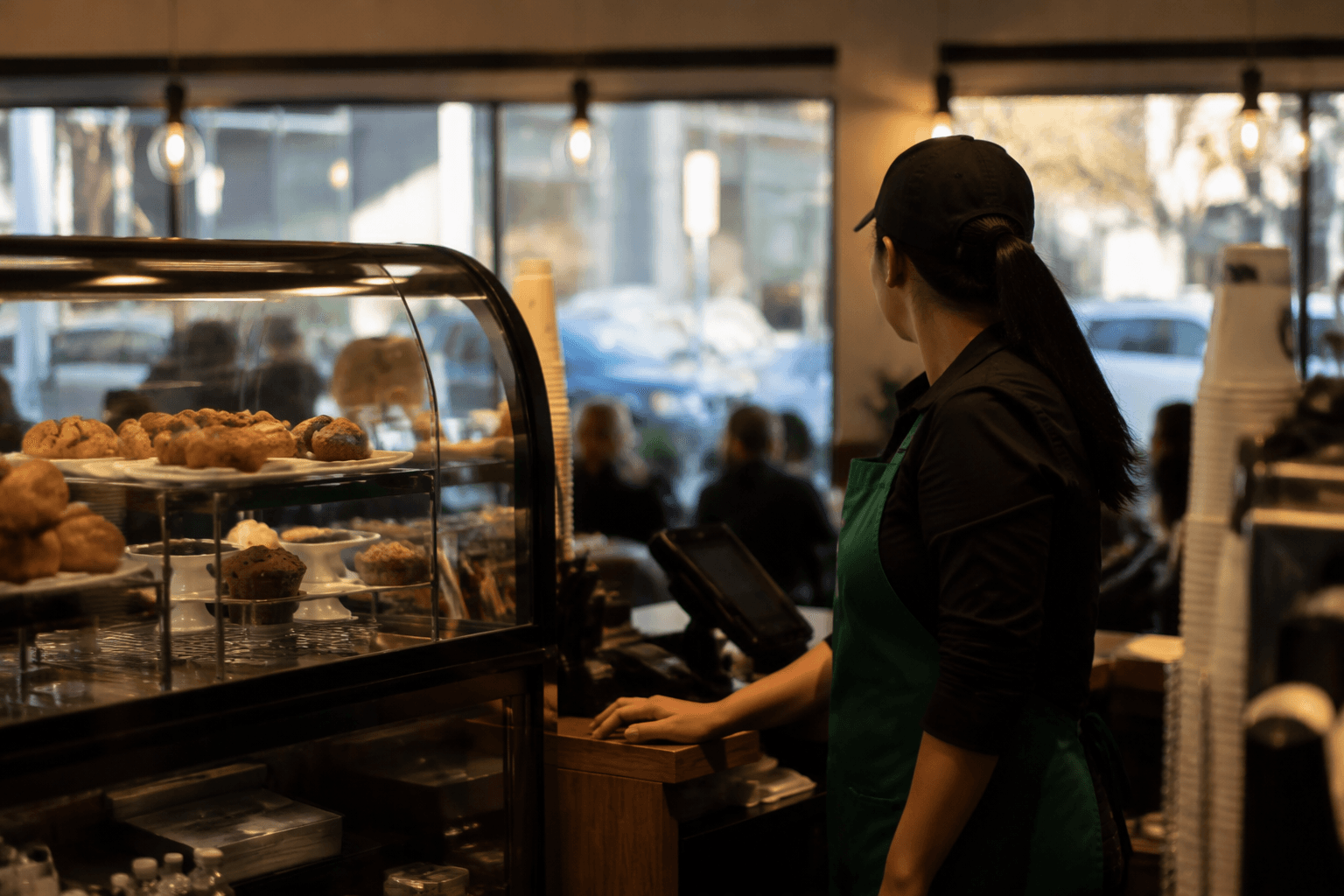
Starbucks has made food availability the next store-floor problem it wants to fix, because an out-of-stock sandwich or warming item does not stay a supply issue for long. For baristas and shift supervisors, the failure shows up as customer complaints, refunds, substitutions and a line that keeps moving while the handoff plane stalls.
That is why the company’s broader turnaround has been tied to labor and scheduling as much as to menu or technology. Starbucks has already leaned on more café labor and a scheduling algorithm to speed service, and in 2025 it said it planned to hire more baristas and invest in store hours. Reuters reported in April 2025 that Starbucks was beefing up store staffing while going slowly on automation rollout, and in June 2025 that it was accelerating a new staffing model to all company-owned North American stores. A June 13 summary of that coverage said the company planned to roll out the staffing and service model at more than 11,000 North American stores that summer.
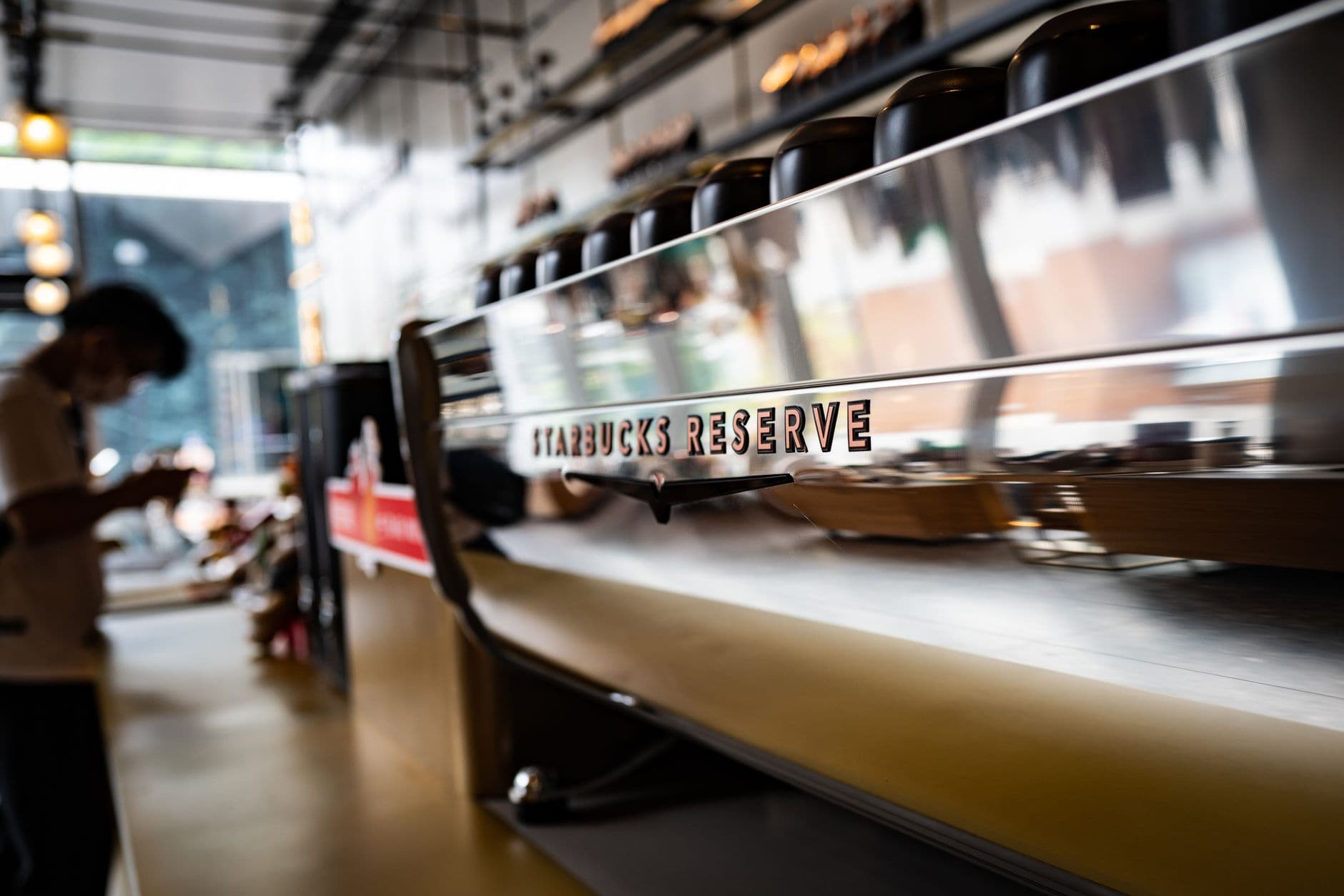
The staffing push mattered because pilot tests of the model increased sales. Starbucks later said its Back to Starbucks strategy was building momentum, with flat U.S. comparable store sales in fiscal Q4 2025 and September turning positive. Quarterly revenue rose 5% to $9.6 billion. In fiscal Q1 2026, global and U.S. comparable store sales accelerated to 4%, U.S. comparable transaction growth turned positive for the first time in eight quarters, and revenue rose 6% to $9.9 billion.
But food availability has remained a separate operational drag. In January 2026, Starbucks’ supply struggles included AI glitches, scattered suppliers and sandwich shortages. In May 2026, the company scrapped an AI inventory tool across North America. For stores, that kind of miss hits the labor picture immediately: more handoff time, more awkward upselling when the case is thin, more remake logic when a mobile order cannot be completed as ordered, and more pressure on supervisors to keep pull counts, expiration management and food rotation tight across openers, midday teams and closers.
The issue also lands in a tense labor environment. Starbucks Workers United has kept staffing, hours and scheduling at the center of its organizing and bargaining fights, and the company’s push for tighter inventory control adds another layer of pressure on the floor. Starbucks is no longer treating food as a side case; it is treating it as part of the same reliability test that now defines the chain’s turnaround.
This article was produced by Prism’s automated news system from verified source data, official records, and press releases, then run through automated quality and moderation checks before publishing. The system is built and supervised by the people who set the standards it runs under. Read our full AI policy.
Did this article answer your question?