Starbucks workers face tighter traffic as restaurant sales stay mixed
Restaurant sales are still rising in dollar terms, but real traffic is softer, leaving Starbucks workers with busier floors and tighter staffing pressure.
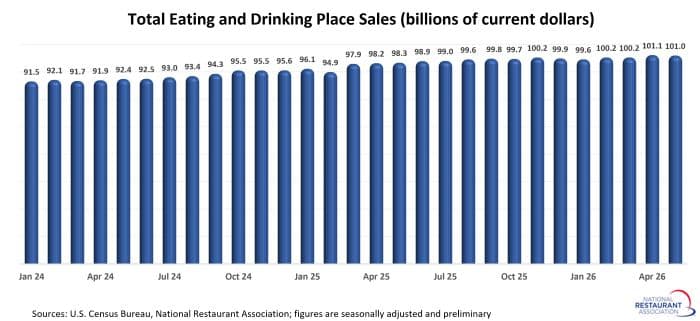
Starbucks workers are looking at a market where customers are still coming through the door, but the mix is getting tougher for the people on bar and at the register. The National Restaurant Association said eating and drinking places logged $101.0 billion in seasonally adjusted sales in May 2026, just below April’s $101.1 billion, while nominal sales rose 2.7 percent from a year earlier even as inflation-adjusted sales fell 0.9 percent.
That gap matters on the floor. It suggests demand is holding up, but not in a way that automatically makes shifts easier. Customers may still buy coffee, breakfast and afternoon drinks, yet they are also more likely to skip add-ons, trim customizations or think twice about a second drink when prices feel tighter. For baristas and shift supervisors, that can mean steady traffic without the higher tickets that make rushed peak periods more manageable.
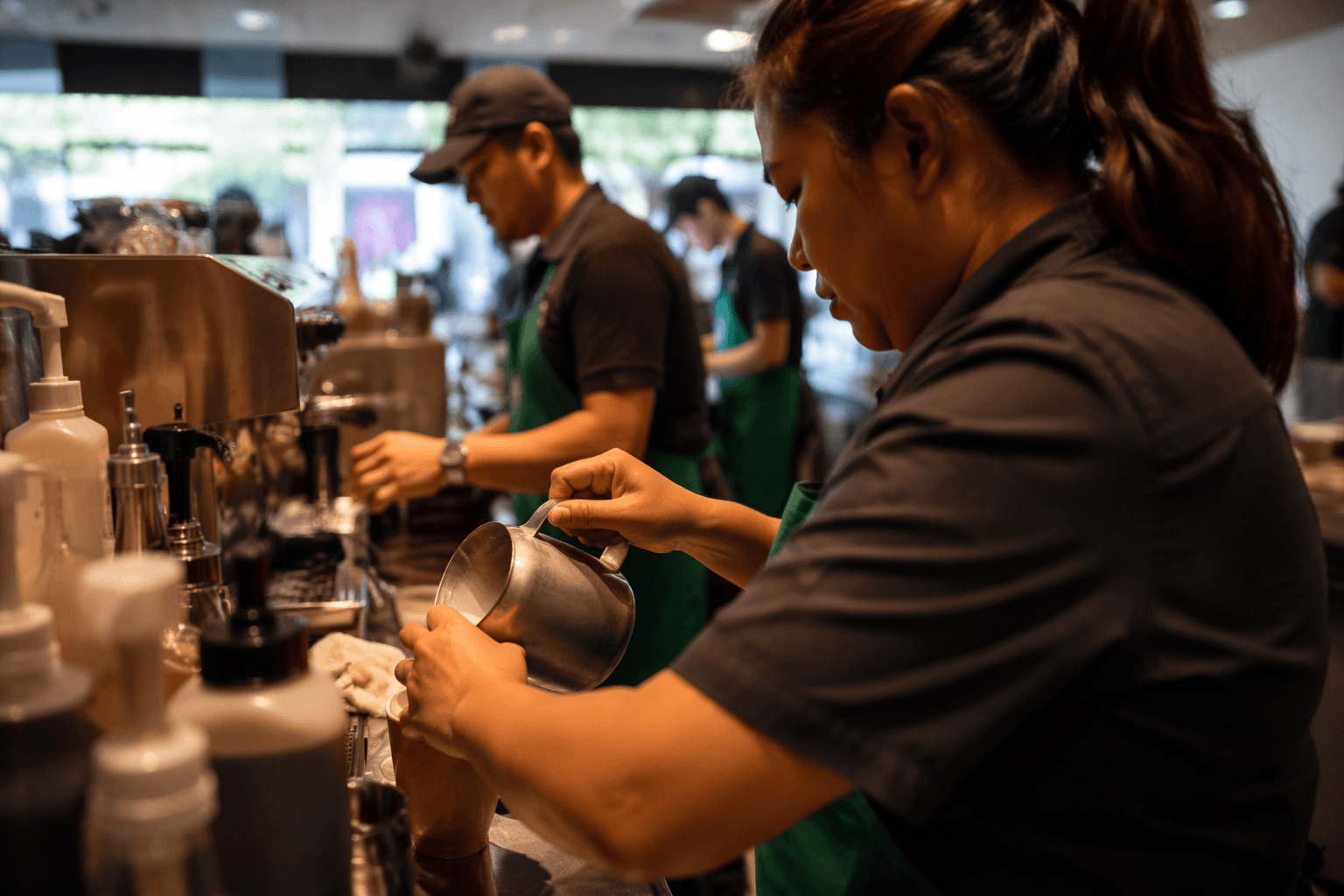
Starbucks’ own second-quarter fiscal 2026 results showed the company can still win traffic when execution improves. Global comparable sales rose 6.2 percent, driven mainly by more transactions. North America comparable store sales rose 7.1 percent, and U.S. comparable store sales also rose 7.1 percent. In the United States, comparable transactions increased 4.3 percent and average ticket rose 2.7 percent, while North America transactions climbed 4.4 percent and average ticket rose 2.6 percent.
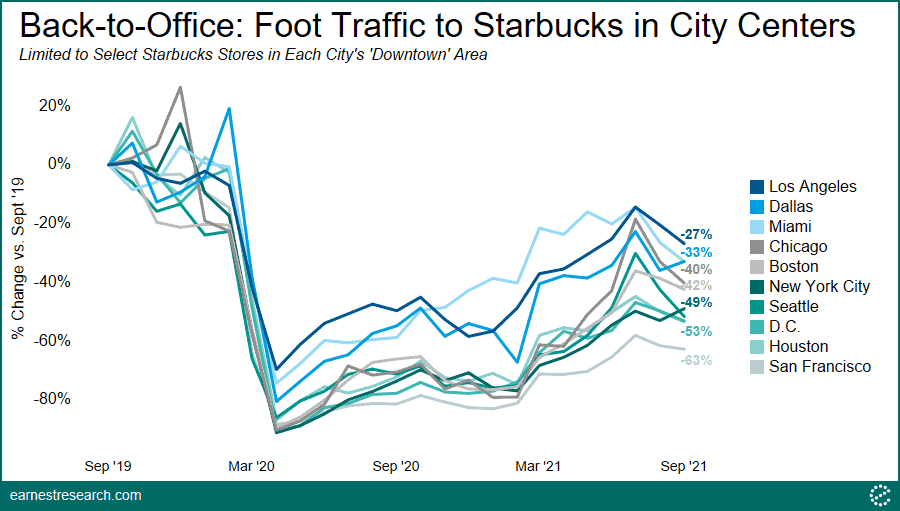
The company finished the quarter with 41,129 stores worldwide, including 11 net new stores. Consolidated net revenues reached $9.5 billion, and North America revenue was $6.9 billion. Brian Niccol said the quarter marked a milestone and the turn in the turnaround, saying more customers were getting back to Starbucks as it delivered the brand more consistently. He also said faster service and more staffing had helped lure customers back, and the company raised its annual forecasts after the stronger quarter.
For workers, that is the tension inside the numbers. Better traffic can support jobs and hours, but it does not erase the pressure to keep drive-thru and café times down, protect throughput and hit upsell expectations when customers are more price-sensitive. A store can be busy enough to strain the team and still not busy enough to absorb bad labor decisions.

The broader restaurant backdrop points to the same kind of uneven recovery. The association’s 2026 industry outlook projected total restaurant and foodservice sales of $1.55 trillion and more than 100,000 added jobs, while also warning that cost pressure and cautious households would keep margins tight. It also said 61 percent of adults consider dining out essential, a sign that demand remains durable even as Starbucks partners keep working in a market where every rush is still a test of staffing, speed and consistency.
This article was produced by Prism’s automated news system from verified source data, official records, and press releases, then run through automated quality and moderation checks before publishing. The system is built and supervised by the people who set the standards it runs under. Read our full AI policy.
Did this article answer your question?