Starbucks workers may gain leverage as unemployment holds at 4.3%
Unemployment stayed at 4.3% as payrolls rose by 172,000, keeping pressure on Starbucks to win baristas with hours, pay and stable schedules.
A 4.3% unemployment rate did not make Starbucks’ labor problem go away. It meant the company was still competing in a market where workers in retail food service, leisure and hospitality, and other hourly jobs had options, and where schedule quality could matter as much as hourly pay.
The Bureau of Labor Statistics said the unemployment rate was unchanged at 4.3% in May 2026 and that total nonfarm payroll employment rose by 172,000. Job gains showed up in leisure and hospitality, local government and health care, a mix that matters for Starbucks because it keeps pressure on stores that need reliable closers, openers and weekend coverage.
For baristas and shift supervisors, a steady labor market can translate into leverage. Partners who can pick up hours elsewhere, move to another neighborhood store or leave for a different hourly employer have more room to judge whether Starbucks is worth staying with. That puts staffing, scheduling, and treatment on the same level as wage rates when workers decide where to build a paycheck.

That is especially true in stores where underfilled shifts mean longer lines, heavier workloads and more pressure on the partners already on the floor. Turnover is expensive in a business built on speed, routine and repeatable drink builds. Every departure means another round of training for the crew that remains, and another test of whether the store can keep enough people who will actually show up, stay flexible and handle peak traffic.
Starbucks has been trying to make that decision easier. In June 2026, the company said it launched a shared-success model that includes a new quarterly reward program for baristas and shift supervisors tied to store performance, along with expanded digital tipping and weekly pay. The message to hourly workers is clear: Starbucks knows retention is part of the job, not a side issue.
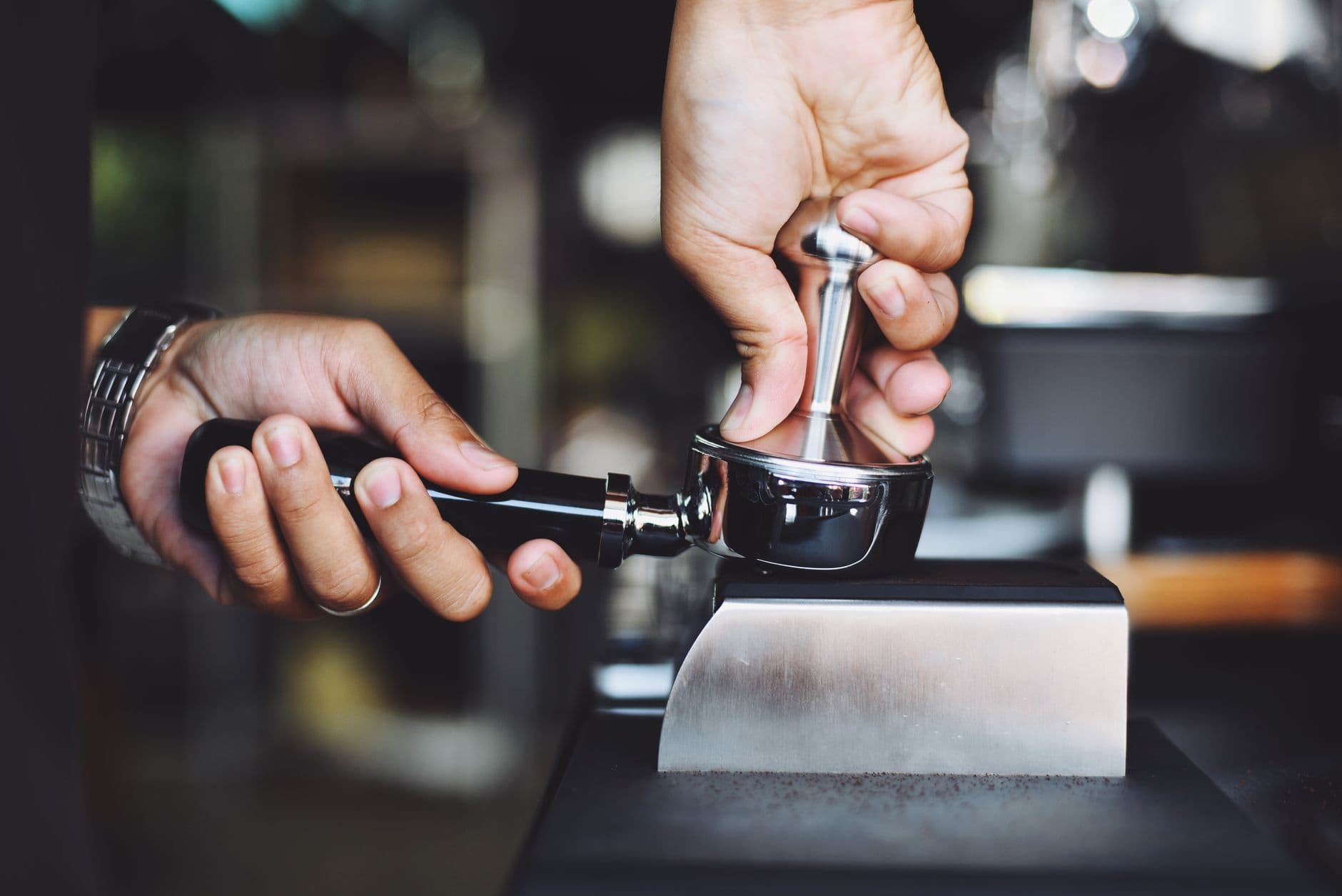
The company had already been testing other ways to stabilize the floor. In 2025, Starbucks said 62 partners stepped into newly created full-time coffeehouse coach roles in a pilot across California, Illinois and Texas, and that 90% of those hires came from inside the company. That points to a familiar Starbucks strategy: try to keep experienced people in the system by offering a path up, not just a punch list on the floor.
Labor pressure is also showing up in the company’s own language around operations. Starbucks responded in May 2024 to concerns about staffing, scheduling and wait times by emphasizing partner-centric scheduling and staffing. Its investor relations site was still listing FY25 annual report materials and a 2026 proxy statement in June 2026, a reminder that labor and store-level execution remain live corporate issues. With unemployment still at 4.3%, Starbucks cannot assume it will staff stores cheaply or easily.
This article was produced by Prism’s automated news system from verified source data, official records, and press releases, then run through automated quality and moderation checks before publishing. The system is built and supervised by the people who set the standards it runs under. Read our full AI policy.
Did this article answer your question?