Starbucks Workers United tops 700 stores, gains new bargaining wins
Starbucks Workers United crossed 700 stores and 12,000 workers, then turned Seattle closures into severance, COBRA and payout wins.
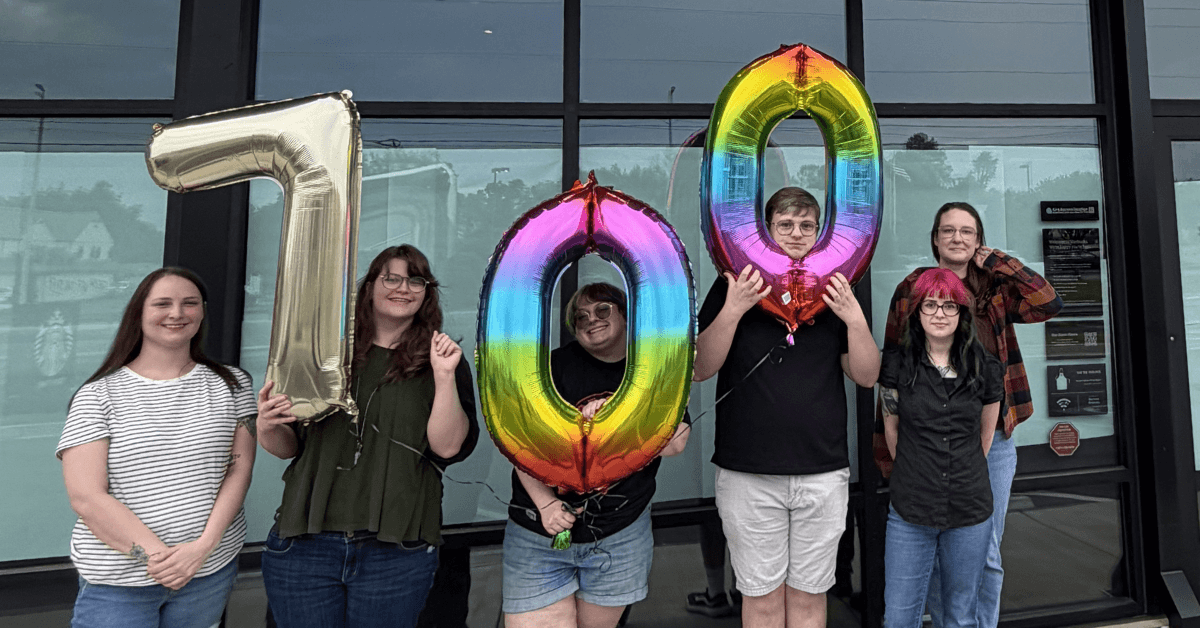
Starbucks Workers United has passed a line that matters far beyond a headline count. The union said it crossed 700 stores in May and now represents more than 12,000 workers across the United States, a sign that the organizing wave that began in 2021 is still adding ground even as the first contract remains out of reach.
The newest stores to join came in Alabama, Illinois and Texas, which is the important part for workers watching from nonunion shops. This is no longer just a Buffalo story, where the Elmwood store first won its union. The campaign now reaches into more regions of Starbucks’ U.S. operation, making it harder for the company to treat organizing as a string of isolated local fights.
That scale has not broken the stalemate at the bargaining table. Starbucks and the union had not held formal negotiations since December 2024, and the union has said Starbucks proposed resuming in-person bargaining on March 30 and staying available through April. In April, Workers United filed a labor-board complaint accusing Starbucks of negotiating in bad faith, underscoring how far apart the sides remain after more than a year of frustration. Labor Notes has described the dispute as the longest first-contract standoff in the history of major U.S. restaurant and fast-casual companies.
The reason the contract fight still resonates with store workers is simple: wages, staffing and hours are still the core issues. Workers rejected a foundational framework package in April 2025 because it did not improve first-year wages or benefits and did not address chronic understaffing. That same pressure shows up in day-to-day operations, from how many partners are on the floor to whether shifts are stable enough to build a paycheck around.
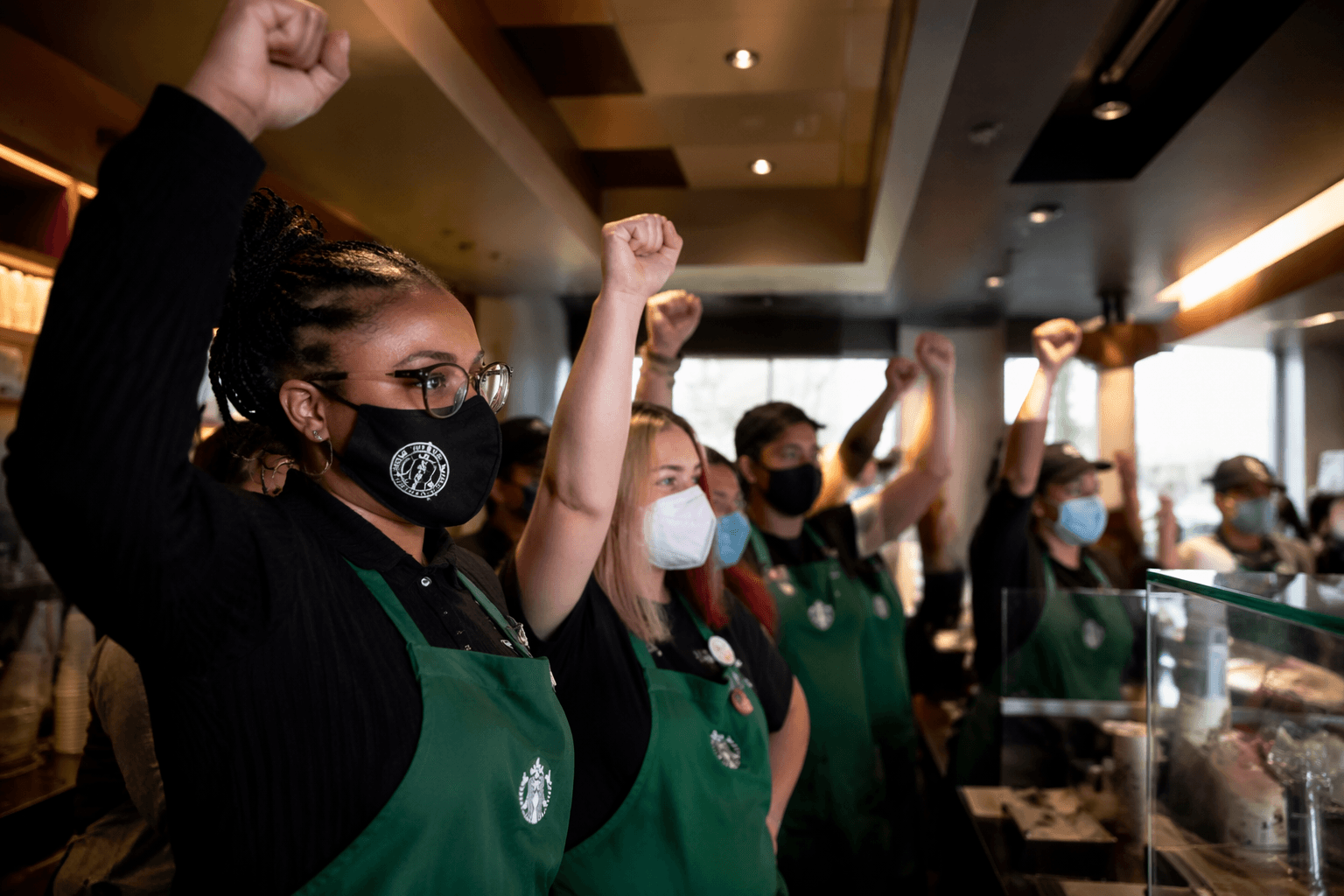
Starbucks’ Seattle closures showed how union pressure can now shape outcomes even without a contract. The company planned to close five Seattle stores in early April 2026, including four unionized locations, and the affected baristas won meaningful economic protections through effects bargaining: weeks of pay and benefits, severance, COBRA support, tip and vacation payout, plus a path to transfer or rehire under existing policies. For workers, that was more than damage control. It was evidence that organizing can force the company to bargain over closures store by store.
The company’s own compensation moves will add another layer of tension. Starbucks announced quarterly bonuses and expanded tipping beginning in July, but union-represented workers are unlikely to see the bonuses until a collective bargaining agreement is reached. With the union now past 700 stores and still adding new locations in Alabama, Illinois and Texas, Starbucks can no longer assume the labor fight will stay contained to a few early strongholds. The question now is not whether the campaign survived, but how much leverage that scale can convert into pay, staffing and closure protections for the workers still trying to get a first contract.
This article was produced by Prism’s automated news system from verified source data, official records, and press releases, then run through automated quality and moderation checks before publishing. The system is built and supervised by the people who set the standards it runs under. Read our full AI policy.
Know something we missed? Have a correction or additional information?
Submit a Tip