Starbucks workers watch productivity gains amid pressure for tighter labor targets
A 0.3% productivity gain may sound modest, but at Starbucks it can mean tighter labor targets, faster pacing, and more pressure to do each shift with less slack.
Starbucks workers are being asked to read a macroeconomic number like a floor-level warning light. When the Bureau of Labor Statistics says productivity rose 0.3% in the first quarter of 2026, that can translate inside a coffeehouse to fewer wasted steps, more tightly staged labor, and more work squeezed into the same shift. For baristas, shift supervisors, and store managers, the real question is not whether output rose, but whether the gain came from better systems or from a harder pace.
What the BLS number means on the floor
The BLS said nonfarm business output rose 1.0% while hours worked rose 0.7%, producing that 0.3% productivity gain. It also said unit labor costs increased 1.8% in the quarter, and that this was the smallest increase in nonfarm business labor productivity since the first quarter of 2025, when productivity fell 0.9%. That is the dry version of the story; in a Starbucks store, it is about how much a team can serve without breaking the rhythm of the room.
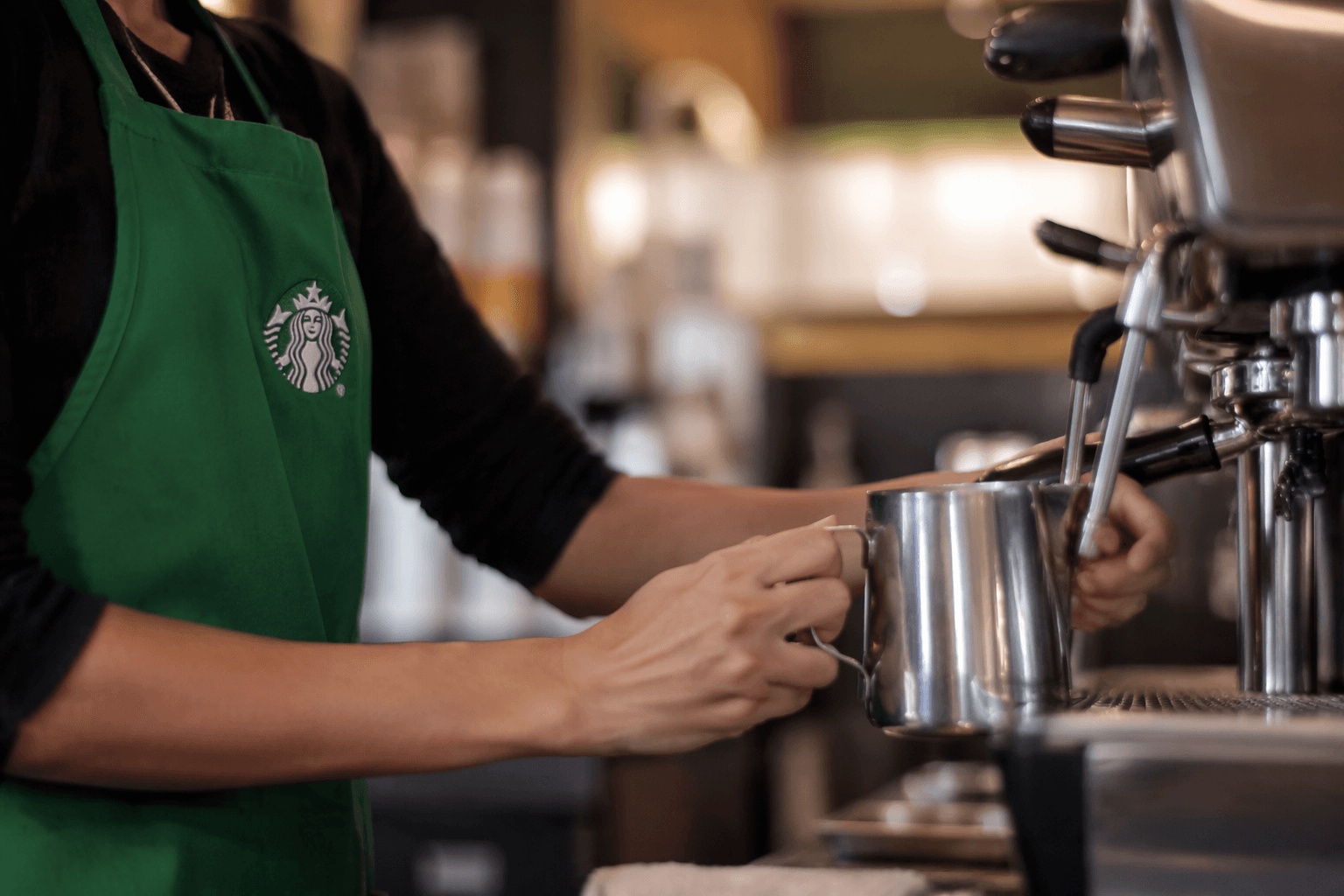
Productivity in a coffeehouse is not abstract. It is how quickly mobile, cafe, and drive-thru orders move, how cleanly the bar, warming, handoff plane, and drive-thru are sequenced, and how much motion gets cut out of a shift. When the company talks about efficiency, workers usually feel it as labor compression: fewer staffed positions, tighter deployment, and more tasks per partner.
That is why this number matters to Starbucks workers even though it comes from a national report. A productivity gain can be a relief if it reflects better equipment, simpler workflows, stronger training, or smarter scheduling. It becomes a warning when the same or fewer people are expected to carry more volume, because the service experience is visible in real time and one rushed sequence can slow the whole store.
Why Starbucks is watching this number closely
Starbucks has spent the last year linking turnaround language to store operations. At its January 29, 2026 Investor Day, the company said it was advancing its Back to Starbucks transformation with new coffeehouse innovations, a reimagined loyalty program, and a long-term growth framework. That is corporate language, but on the floor it usually means one thing: the company wants a store model that can move faster without looking busier.
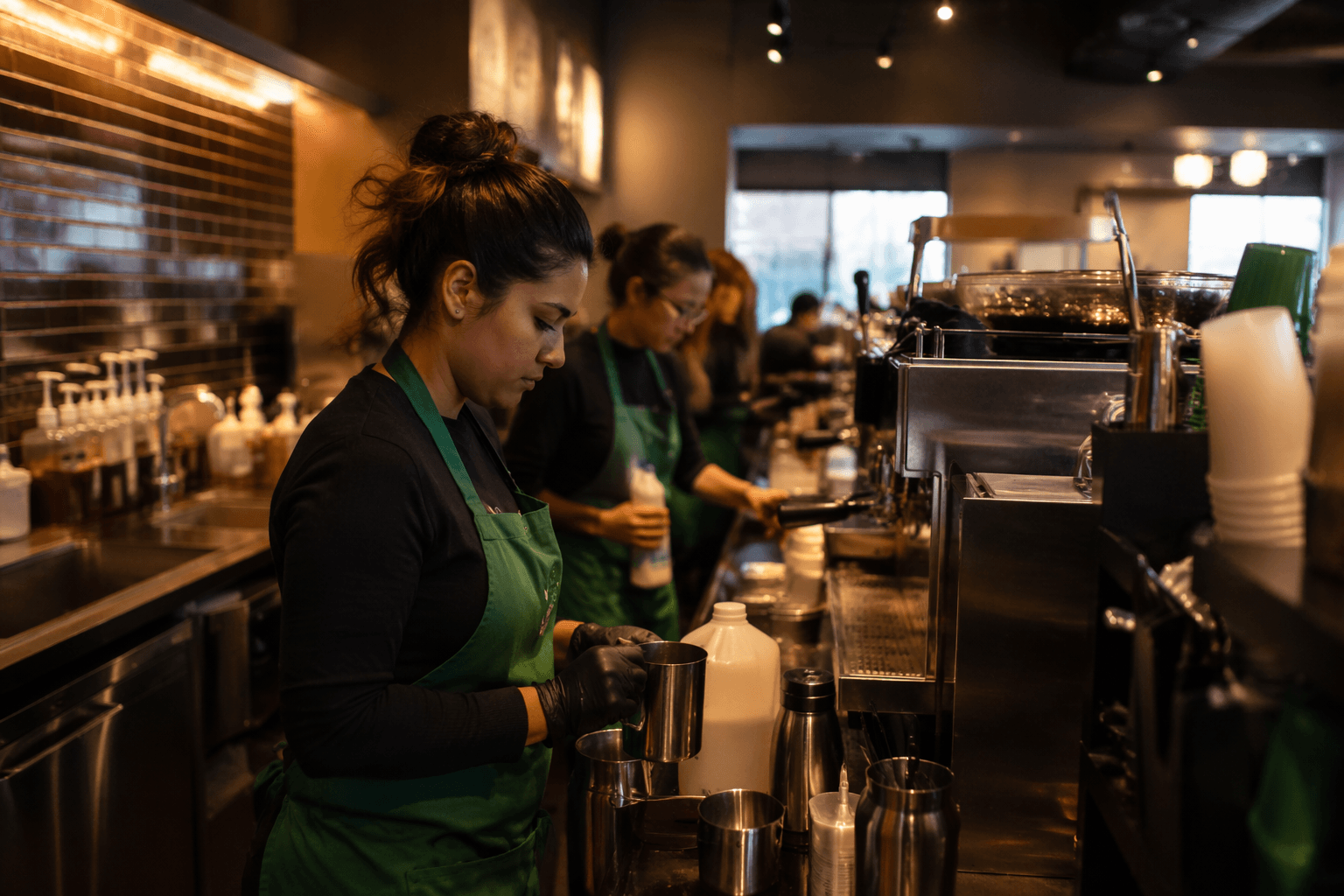
Brian Niccol said on June 11, 2025 that Starbucks would accelerate a new staffing and service model to all more than 11,000 company-owned North American stores by the end of summer 2025. Reuters reporting said the model includes in-store technology to sequence orders more efficiently and a dedicated barista for drive-through orders. For workers, that kind of redesign can reduce chaos if the labor is there to support it. If it is not, it can simply redistribute the pressure.
The company’s own results suggest it wants those operational changes to support a demand recovery, not just cost cutting. Starbucks said its Q1 fiscal 2026 results, reported January 28, 2026 for the 13-week period ended December 28, 2025, showed global comparable store sales up 4%, with U.S. comparable transaction growth positive for the first time in eight quarters. Then on April 28, 2026, it reported Q2 fiscal 2026 results for the 13-week period ended March 29, 2026, with global comparable store sales up 6.2% and consolidated net revenue up 9% to $9.5 billion. Those are signs of momentum, but they also raise the stakes for how that momentum is staffed.
Pay, tips, and the union question
Starbucks has also tried to tie performance more directly to pay. On April 2, 2026, the company announced a new incentive rewards program for hourly partners that offers quarterly bonuses tied to store performance and customer experience. It also said it expected to roll out tip and pay enhancements across U.S. coffeehouses starting in July 2026. For many partners, that will be judged against a simple standard: whether more pressure on the floor is being matched by more money in the paycheck.
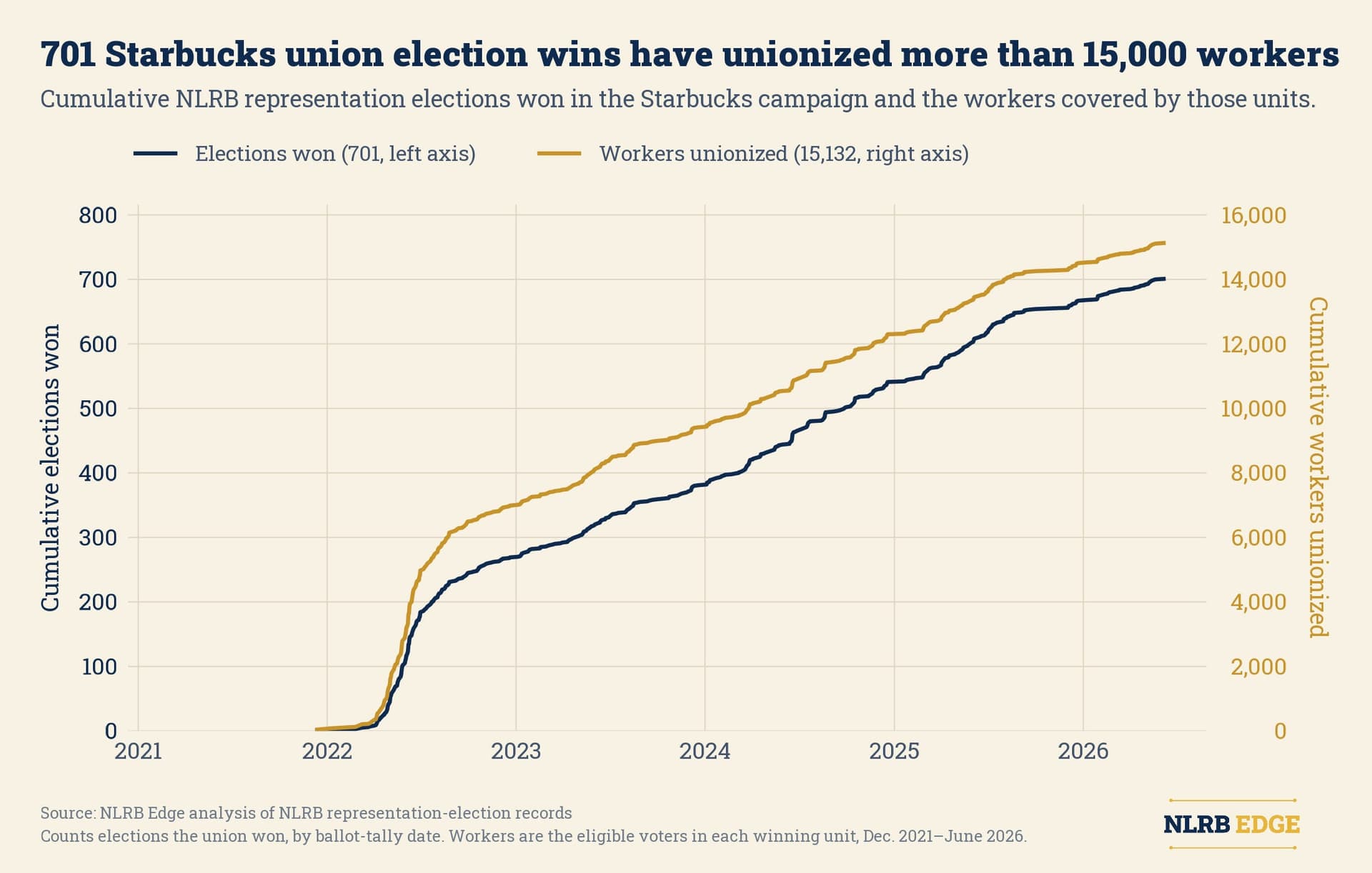
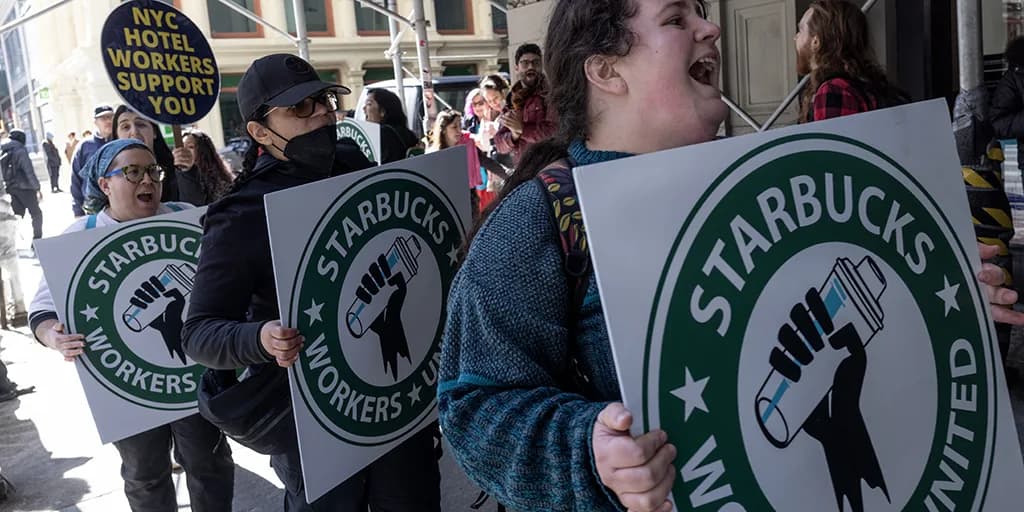
That question gets sharper at union stores. Starbucks said the incentive program would be subject to collective bargaining at roughly 5% of U.S. locations where partners are unionized. In practice, that means Starbucks Workers United stores may see the company’s performance plan filtered through contract bargaining rather than handed down as a one-sided policy. For organizers and baristas in those stores, the fight is not just over bonuses, but over whether productivity gains become a pretext for tighter labor standards without a corresponding share of the upside.
Tip and pay changes matter because they shape how workers interpret every staffing decision. If hours are cut while performance targets rise, a bonus program can feel less like shared success and more like a moving target. If labor is protected and the workload is realistic, the same program can look like a genuine attempt to spread gains across the floor.
What the restructuring says about labor pressure
The company’s restructuring history shows how quickly efficiency talk can become labor cuts. In February 2025, Starbucks announced it would lay off 1,100 corporate employees and not fill several hundred open positions. Later in 2025, it said it was eliminating about 900 non-retail roles and closing many open positions as it invested in more partners in stores, better coffeehouse design, and innovation. Then in September 2025, Starbucks announced a $1 billion restructuring plan that included closing some North American coffeehouses and laying off about 900 workers.
That matters to store teams because corporate trimming and store closures are rarely invisible at the floor level. Even when the company says it is reinvesting in partners, the day-to-day reality can be more pressure on the remaining stores, more complex deployment, and tighter expectations for speed. When a company closes cafes and trims non-retail layers at the same time it is pushing a new service model, workers tend to see the same pattern: the work does not disappear, it moves somewhere else.
The store format is changing too
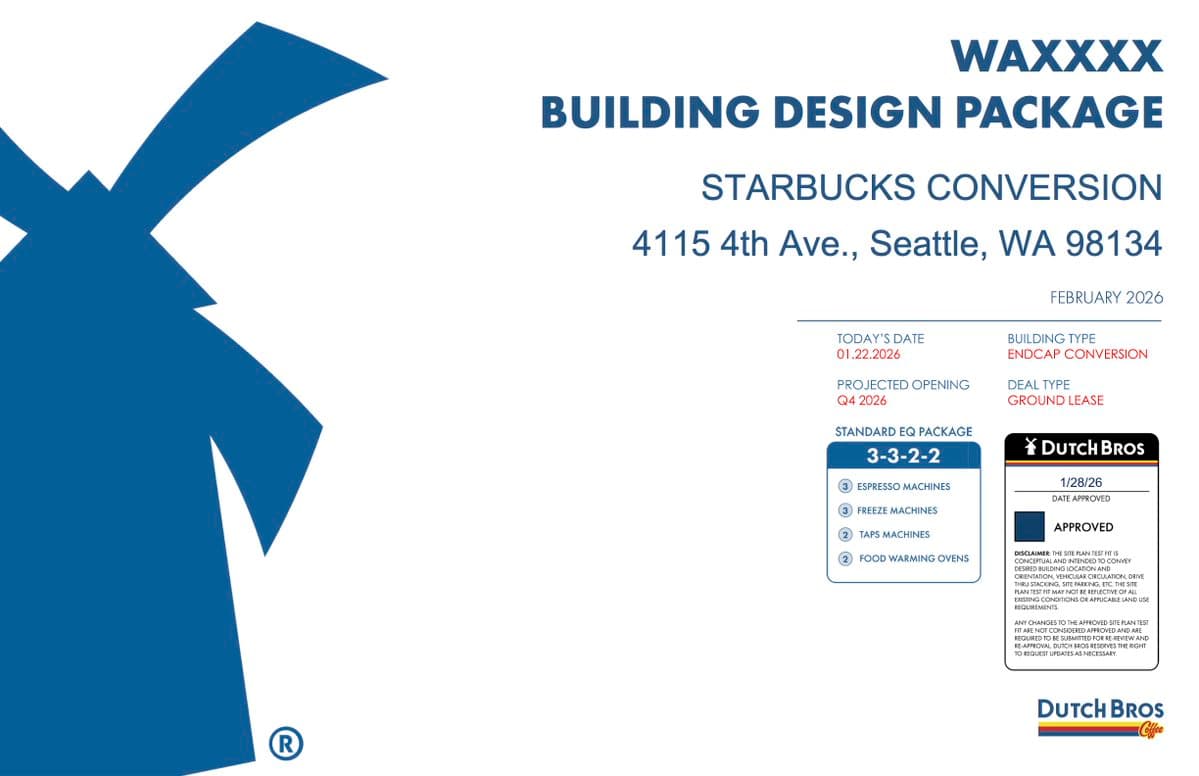
Starbucks has also said it is phasing out pickup-only stores and focusing on more community-oriented coffeehouse formats. That shift sounds like a customer experience story, but for workers it is also a labor story. Pickup-only stores are built around a different rhythm than a larger coffeehouse, and moving away from that model means the company is trying to change not just where customers order, but how the shift is organized.
A more community-oriented store can be less transactional in theory, but it also requires enough staffing to support a broader service flow. If the company wants a coffeehouse that feels less rushed and more like a third place, the labor model has to match the promise. Otherwise, the new format becomes another way to ask partners to absorb more complexity with the same headcount.
For Starbucks workers, the BLS productivity gain is not a victory lap or a scare headline on its own. It is a signal that the company, and the broader economy around it, is still rewarding output growth while scrutinizing labor input. The next test is whether Starbucks uses that pressure to build steadier stores, better pay, and more workable schedules, or whether productivity just becomes another word for doing more with less.
This article was produced by Prism’s automated news system from verified source data, official records, and press releases, then run through automated quality and moderation checks before publishing. The system is built and supervised by the people who set the standards it runs under. Read our full AI policy.
Did this article answer your question?