Strong labor market raises pressure on Starbucks staffing this summer
A 172,000-job gain in May kept the labor market competitive, giving Starbucks workers more leverage on hours, pay and outside options as summer demand builds.

Starbucks heads into summer with a labor market that is still hiring, not cooling off. The Bureau of Labor Statistics said total nonfarm payroll employment rose by 172,000 in May 2026, and the next Employment Situation report is set for July 2 at 8:30 a.m. ET. For baristas, shift supervisors and store managers, that means the scramble for reliable staffing is colliding with the season when cold drinks, vacation callouts and new menu complexity put the most pressure on the floor.
That backdrop matters because a competitive job market gives hourly workers more room to compare options. When restaurants and retailers are still adding staff, a barista looking for more hours, a faster promotion track or a cleaner schedule can more easily test an outside offer. It also makes it harder for managers to rely on the old assumption that workers will stay put through uneven schedules and a heavy summer rush.
The restaurant numbers show why this is not a simple labor shortage story. The National Restaurant Association said eating and drinking place employment was nearly 153,000 jobs above its February 2020 level as of May 2026, but full-service restaurant employment was still 187,000 below pre-pandemic levels as of April. That uneven recovery leaves some operators with enough applicants and others still short of dependable labor, a split that is especially relevant in coffee shops where peak-hour speed and cross-training can decide whether a store keeps moving.
Starbucks is trying to make itself more attractive in that market. The company says hourly partners’ pay and benefits are valued at more than $30 per hour on average, that U.S. company-operated stores start at a $15 minimum wage, and that part-time workers can qualify for benefits when they average 20 or more hours a week. Starbucks also says it offers 100% tuition coverage for a four-year college degree and up to 18 weeks of paid family leave, and that it has invested more than $500 million in partners and coffeehouses under its Back to Starbucks plan.
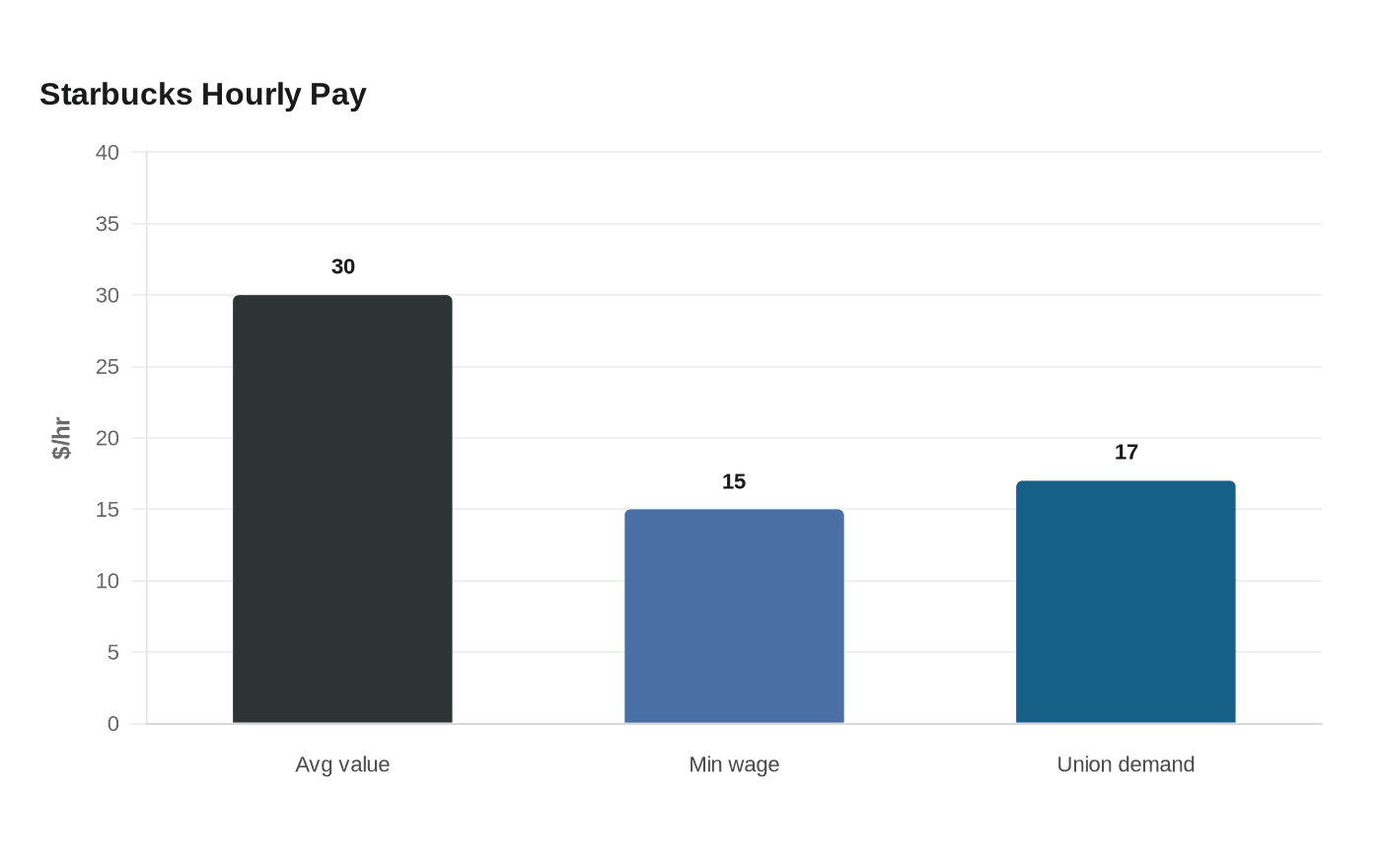
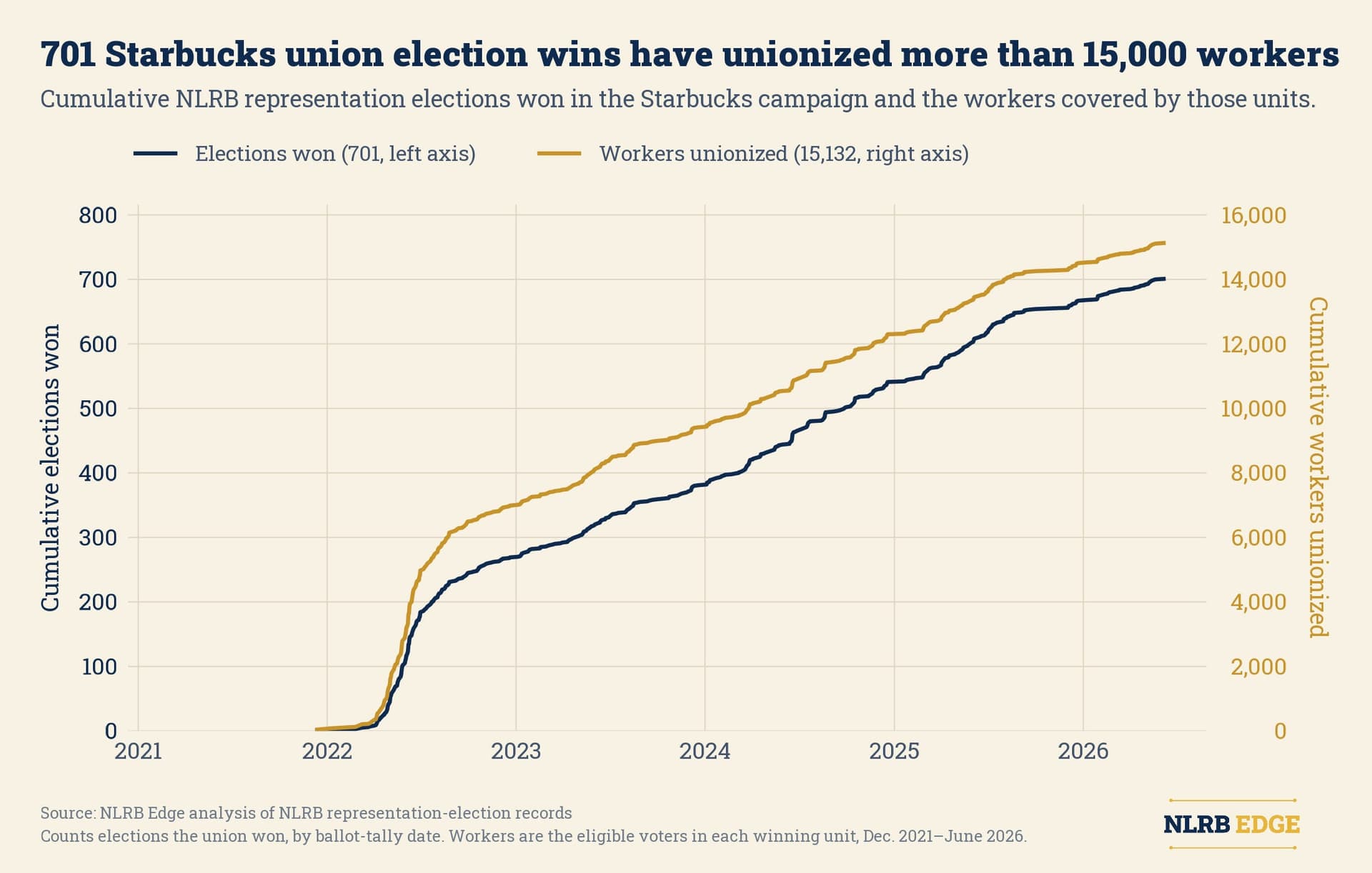
Union pressure keeps the staffing question from being just about recruitment. Starbucks Workers United is seeking three workers on the floor at all times, $17 starting wages for the lowest-paid baristas and 4% annual raises. Starbucks said in 2025 that it had reached more than 30 tentative agreements on full contract articles, even as bargaining remained contentious and strike activity flared in late 2025. The company’s 2025 restructuring plan, which closed some North American coffeehouses and eliminated about 900 corporate jobs, added another layer of uncertainty for workers deciding whether stability is better inside Starbucks or somewhere else.
This article was produced by Prism’s automated news system from verified source data, official records, and press releases, then run through automated quality and moderation checks before publishing. The system is built and supervised by the people who set the standards it runs under. Read our full AI policy.
Did this article answer your question?