Why Starbucks keeps turning small ideas into big menu hits
Starbucks’ biggest hits are not random: they start as small ideas, then grow into repeatable platforms that add training, steps, and pressure at the handoff plane.

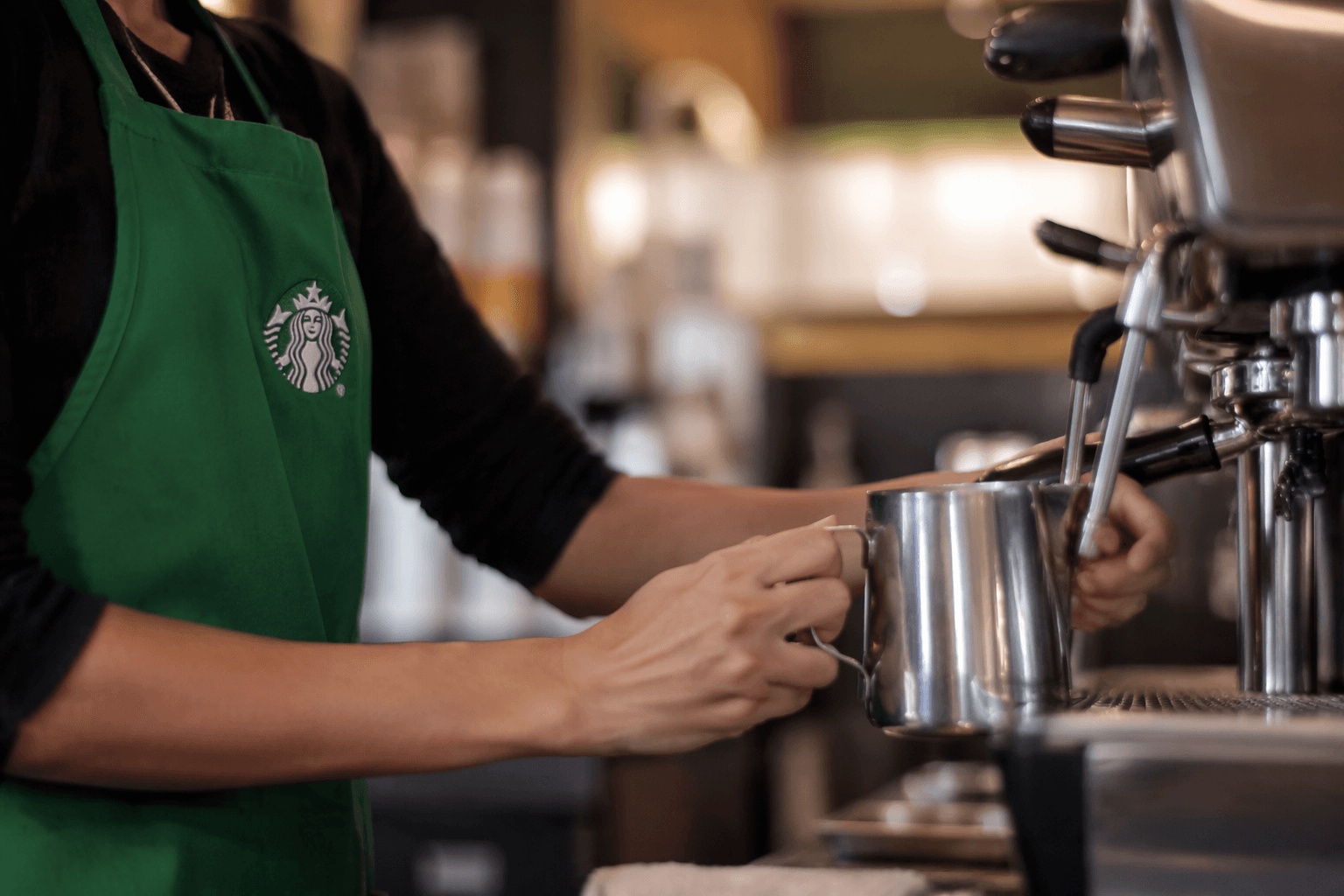
Starbucks keeps packaging menu innovation as a small burst of joy, but on the café floor those ideas become repeatable systems, new routines, and extra steps in the rush. The company’s real playbook is not just about novelty; it is about finding drinks and treats that customers will order again, then turning them into durable menu lines that baristas have to execute at volume.
How Starbucks turns a “moment of joy” into a menu platform
The company’s “Back to Starbucks” transformation plan is framed as a push for long-term, sustainable growth and stronger customer connection, and Brian Niccol used Starbucks’ 2026 Investor Day in New York City to say the company is “back.” That message matters to workers because it ties brand language directly to store operations: the menu is now a core part of the turnaround, not a side project.
Starbucks says it uses data and artificial intelligence to support innovation and to free up partners for craft, connection, and customer service. In practice, that means the company is looking for ideas that can be repeated, trained, and scaled, not just promoted once and forgotten. For baristas and shift supervisors, the important question is whether a new item is a one-off craze or the start of a menu family that will keep coming back in different forms.
Why cake pops matter more than they look like they do
Cake pops are a good example of how Starbucks builds from a small idea. The company first added cake pops to the menu in 2010, then introduced Birthday Cake cake pop in 2011. What started as a small sweet treat later became a proven part of the chain’s dessert lineup, and Starbucks said Valentine’s Day 2026 was a record-setting day for cake pop sales.
That history shows why these items stick around. A cake pop is not just a grab-and-go add-on at the register. It is proof that a simple item can become a dependable sales driver, which is exactly the kind of thing the company wants when it is thinking about volume, consistency, and repeat purchase behavior. For store teams, that means the “cute” item on the pastry case may have a much longer life than a seasonal drink with more hype.
Refreshers show the move from trend to platform
Starbucks has used Refreshers the same way. The company introduced Summer-Berry Refreshers in the U.S. on May 7, 2024, then expanded the concept again with new Energy Refreshers nationwide on April 7, 2026, saying they would be available year-round in U.S. coffeehouses. That is the difference between a limited-time test and a platform: one creates a burst of demand, while the other gives Starbucks another base to build on.
For workers, platform thinking means more than just another colorfully named drink. Refreshers are customizable, mobile-order friendly, and easy for customers to mentally slot into future visits once they learn the format. That creates a reliable sales lane for the company, but it also creates a predictable operational lane for stores: more builds, more ingredient handling, and more handoff-plane expectations from customers who already know what they want before they reach the counter.
Cold foam went from customization to menu engine
Cold foam tells a similar story, but with an even clearer workplace impact because it sits directly in the world of bar customization. Starbucks introduced Protein Cold Foam and protein lattes on September 29, 2025, and said the protein lattes can deliver approximately 15 to 36 grams of protein per grande beverage. That turned a once-simple add-on into part of a broader beverage architecture with a health-and-function angle.
The company then reinforced the behavior with a cold-foam promotion for Starbucks Rewards members from May 7 to May 11, 2025, offering a free cold foam customization at participating stores. That kind of push teaches customers to ask for more modifications, and it teaches stores that a customization can become a sales lever of its own. On the floor, that means more steps at the bar and more pressure on the handoff plane, especially when digital orders pile up and every cup seems to have its own version of the same drink.
What the S’mores Frappuccino return says about demand
Starbucks also brought back the S’mores Frappuccino in summer 2026 after a six-year absence, saying the return was driven by demand from customers and baristas. That detail matters because it shows the company is not only watching top-down sales trends. It is also hearing from the people making the drinks and the people buying them.
For partners, a return like that is a reminder that nostalgia can become operational work fast. A drink that has been gone for years can come back with old fans, new curiosity, and a rush of questions from customers who want the exact version they remember. For managers, that means re-training, stocking, and timing all have to line up when the company decides a beloved item is worth bringing back.
What workers should read into Starbucks’ strategy
The big lesson for baristas, shift supervisors, and store managers is that Starbucks does not treat menu ideas as random flourishes. It watches customer behavior, identifies patterns that can scale, and then turns those patterns into repeatable business lines. A product that starts as a small moment of joy can become a launch, a promotion, a customization habit, and eventually a permanent expectation.
- more steps at the bar
- more training for partners
- more stock pressure on stores
- more mobile-order complexity
- more customer expectation at the handoff plane
That is where the workplace impact becomes clear. Every successful idea can mean:
This is also why Starbucks keeps coming back to the same kinds of products in new forms. Cake pops, Refreshers, and cold foam are not just menu items; they are proof that the company likes categories that can be refreshed without being reinvented from scratch. The result is a menu that feels playful on the surface but is built to behave like a system underneath.
For workers, that system cuts both ways. The best launches can bring energy to the store and give teams something customers actually want. The hardest ones turn a clever idea into more speed pressure, more sequencing, and more work packed into the same few feet of bar space. Starbucks keeps betting that the first outcome will outweigh the second, and the café floor is where that bet gets tested every day.
This article was produced by Prism’s automated news system from verified source data, official records, and press releases, then run through automated quality and moderation checks before publishing. The system is built and supervised by the people who set the standards it runs under. Read our full AI policy.
Did this article answer your question?