California fast-food wage hike squeezes Taco Bell operators, debate continues
California’s $20 fast-food wage raised pay, but Taco Bell operators are still juggling thinner shifts, pricier menus and tighter staffing.
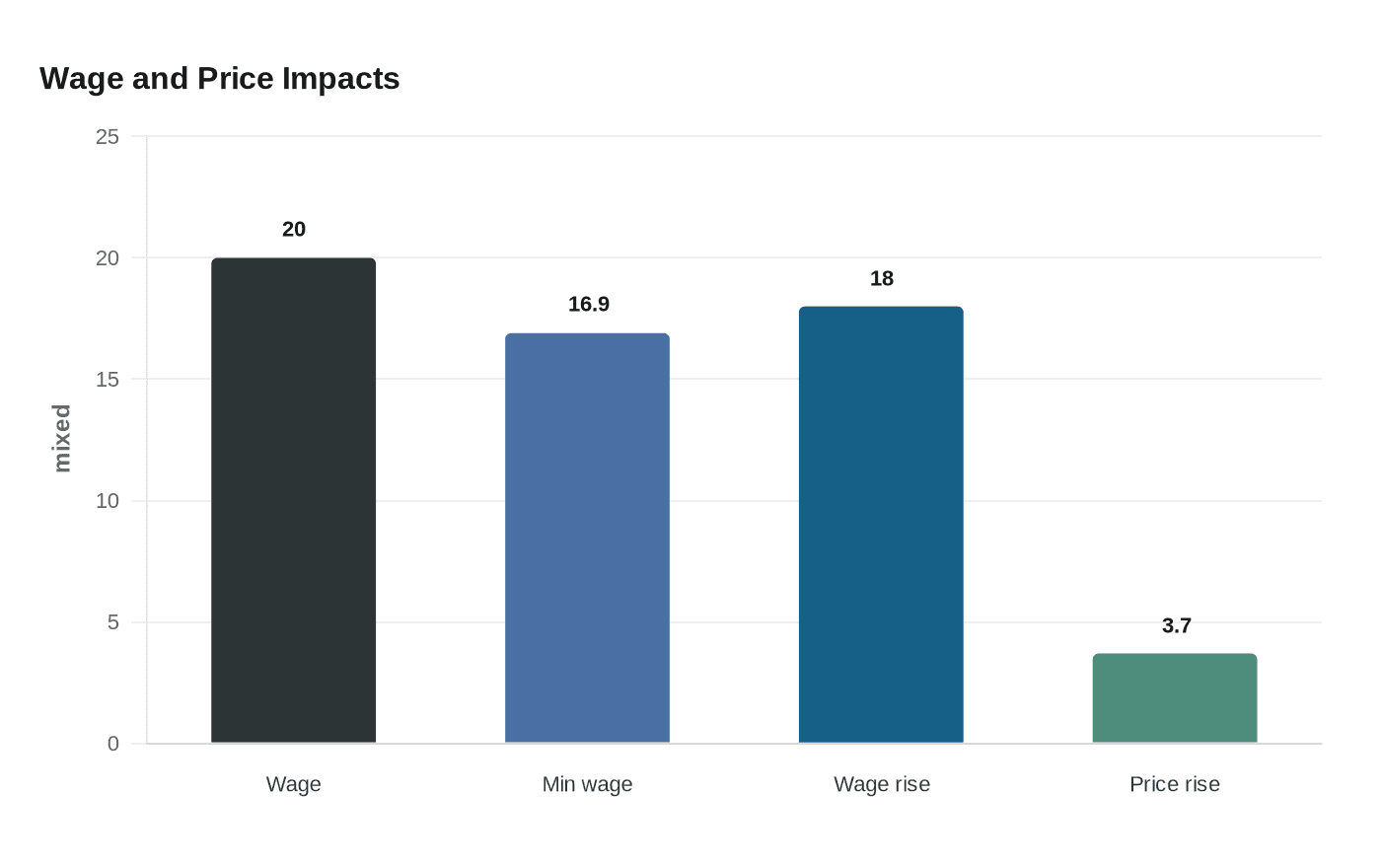
At Taco Bell stores across California, the $20 fast-food wage has become a daily balancing act: bigger paychecks for crew members, but leaner schedules and more pressure on the people writing the shift board.
The statewide fast-food wage took effect on April 1, 2024, and it applies to restaurant employers covered under Labor Code section 1474, regardless of size. California’s general minimum wage was $16.90 an hour in 2026, so fast-food chains are still paying well above the state floor. The California Fast Food Council can raise the wage by up to 3.5% a year, which means the cost question is not going away for Taco Bell operators, franchisees and managers who already work on tight labor budgets.
Supporters say the law has done what it was supposed to do: lift pay without triggering the job losses critics warned about. Gov. Gavin Newsom said in October 2024 that University of California, Berkeley research found wages rose by 18% for 90% of non-managerial fast-food workers, while menu prices rose about 3.7%, or roughly 15 cents on a typical $4 hamburger. The administration argued that was proof the higher wage was manageable and that workers were getting a meaningful raise. California Restaurant Association critics, by contrast, have kept arguing that operators are absorbing the cost through shorter hours, higher prices and tighter staffing.
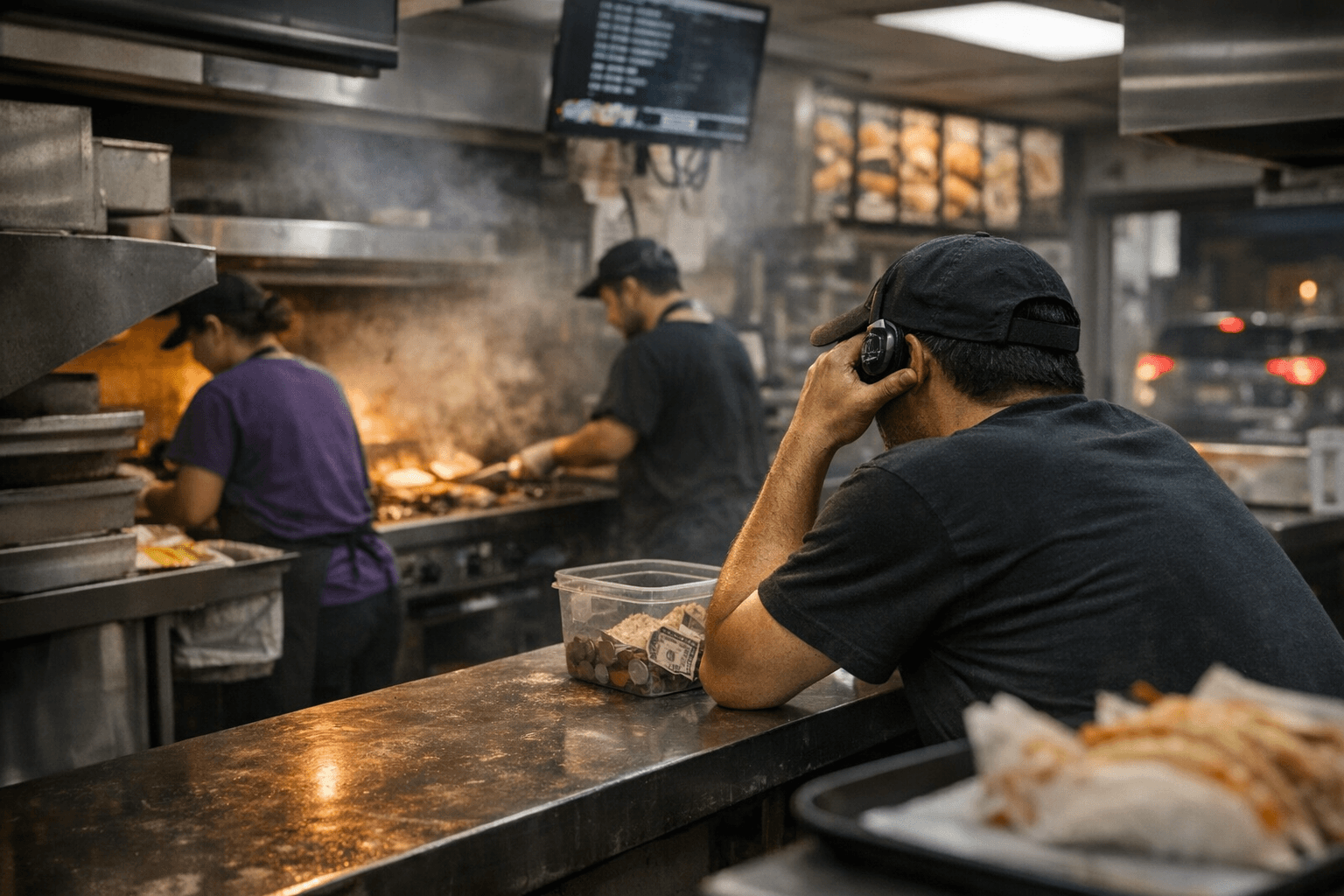
That strain shows up in store-level decisions. In July 2024, AP reporting quoted Lawrence Cheng, a Wendy’s franchisee south of Los Angeles, saying he cut an afternoon shift from nearly a dozen workers to seven. He said, “I schedule one less person, and then I come in for that time that I didn’t schedule and I work that hour.” That kind of adjustment is exactly the tradeoff Taco Bell managers have to weigh too: fewer bodies on the line, more pressure on shift leads, and more managers stepping in when sales are uneven or labor costs jump.
The newer UC Santa Cruz summary suggests the debate is more complicated than either side wants to admit. Researchers said they interviewed business owners and managers from more than 100 franchise restaurants across California and found the higher wage made fast-food jobs more desirable, while also creating “unintended consequences and knock-on effects,” including tighter scheduling and pricing pressure. Earlier reporting on the work pointed to fewer hours and higher prices rather than mass layoffs, and the industry still added 8,000 jobs in the first two months after April 1, 2024, according to Bureau of Labor Statistics data. By July 2024, California’s fast-food industry had reached a record 750,500 jobs. For Taco Bell crews, the question is no longer whether wages moved up. It is how much of that gain survives once the schedule, the menu board and the labor budget all get adjusted around it.
This article was produced by Prism’s automated news system from verified source data, official records, and press releases, then run through automated quality and moderation checks before publishing. The system is built and supervised by the people who set the standards it runs under. Read our full AI policy.
Did this article answer your question?