From Team Member to General Manager, Taco Bell gave her a second chance
Crystal Reed went from addiction and homelessness to general manager, showing that a Taco Bell job can become a real second chance when managers coach and promote.

Crystal Reed’s second chance
Crystal Reed did not walk into Taco Bell looking for a feel-good story. She came in after a back injury, surgery, addiction, and the loss of her children, her home, and most of what she owned, with her mother telling her she had three weeks to find a job if she wanted to move back in.
That deadline pushed her toward a local Taco Bell, a place she already knew as a customer and a role that could bend around family obligations. She took a Team Member job at the Charlotte Pike location, got clean, and spent the next decade climbing step by step until she became General Manager at MRCO’s Highway 100 location in Tennessee.
Why this is more than an inspiring outlier
Crystal’s story matters because it shows what retention looks like when a restaurant is built to keep people, not just cycle through them. Taco Bell’s careers site says Team Members can move into Shift Manager, Assistant Manager, and General Manager roles, and it frames leadership development as part of the job rather than a bonus after the fact.
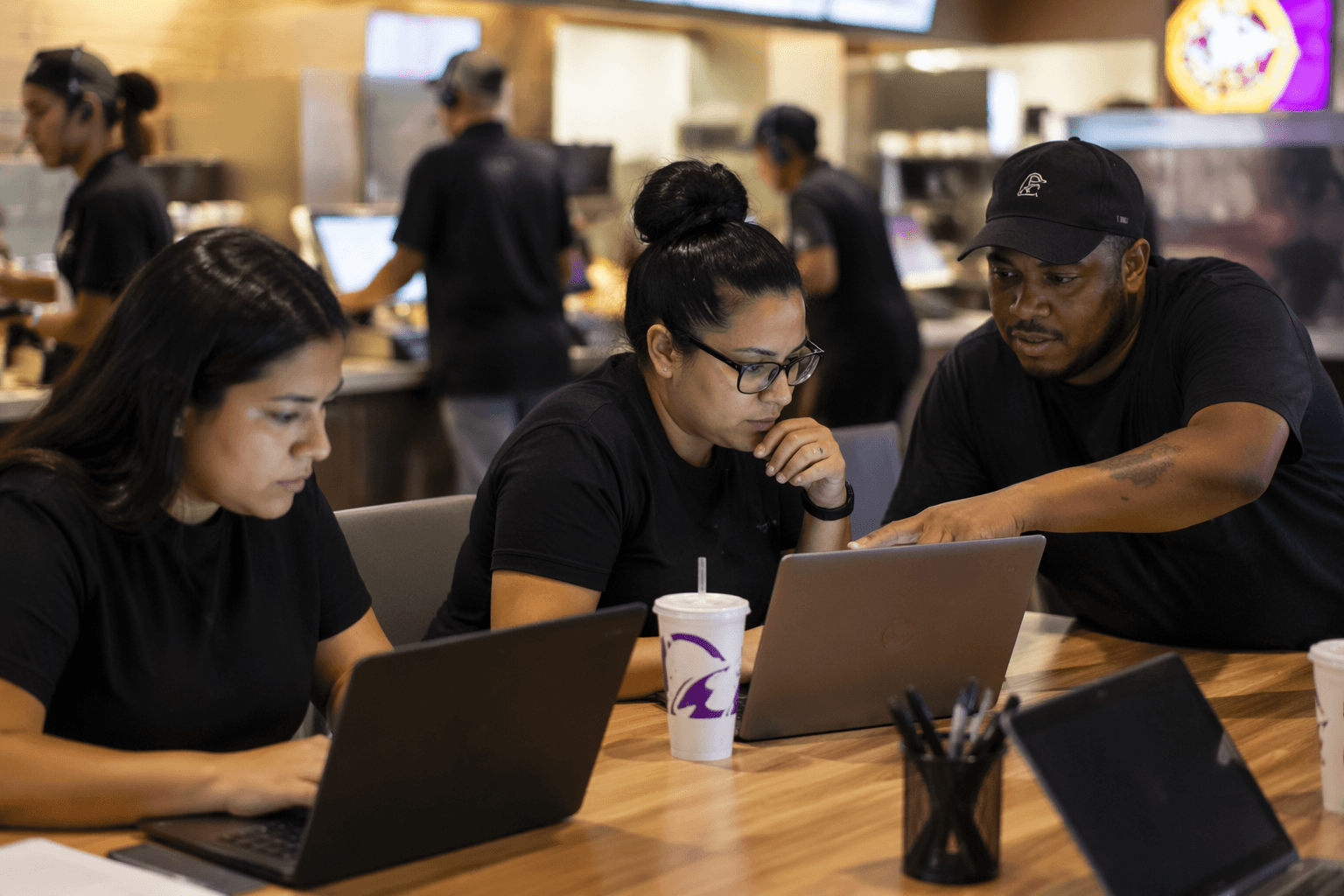
The practical details matter just as much as the promise. Some Taco Bell postings mention flexible scheduling, paid vacation time, free meals during shift, holiday bonuses, and access to leadership development courses. For crew members juggling family care, recovery, school, or a second act after a rough patch, that mix can mean the difference between a dead-end shift job and a path upward.
The ladder inside the restaurant
This is the part of Crystal’s story that should get the most attention from operators: she did not need to leave the system to advance. Over roughly ten years, she moved from Team Member to Shift Manager, then Assistant General Manager, then General Manager, which is what an internal labor market actually looks like when it works.
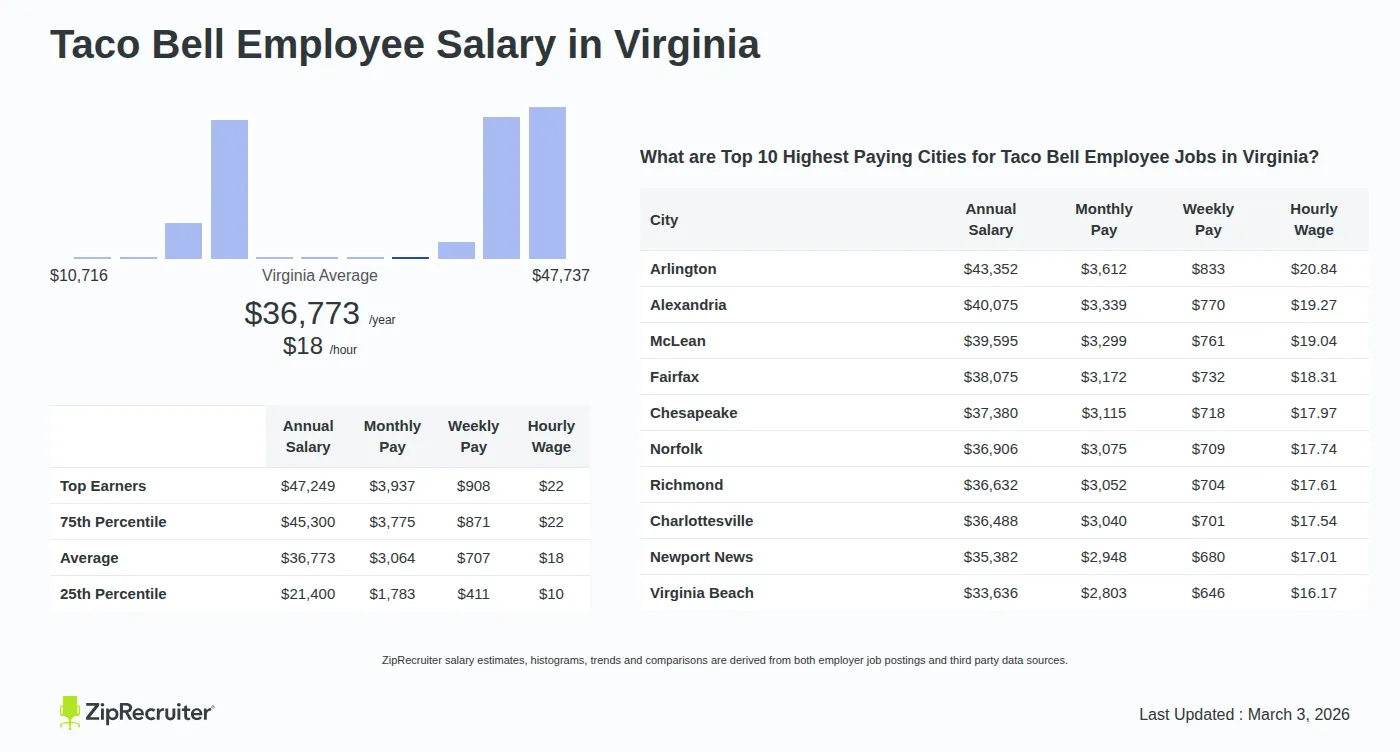
That ladder also explains why pay debates inside fast food are never just about the hourly rate. In a business where wage floors, minimum wage changes, and pay equity fights are always in the background, the biggest earnings gains often come from getting promoted, not from waiting for a small raise. Taco Bell’s own model makes that point plainly: move people into leadership, train them, and keep them long enough to matter.
What the Golden Bell says about the business case
Crystal’s rise ended with one of Taco Bell’s most visible recognition programs, the Golden Bell Award. MRCO says she was one of the top 150 general managers out of 8,500 across the country, while Taco Bell’s 2026 Golden Bell page says the brand celebrated the top 150-plus Restaurant General Managers and Area Coaches with a trip to Hawaii. Earlier Golden Bell coverage described the honor pool as the top 200-plus leaders, which shows how exclusive the recognition is.
MRCO has described Golden Bell as Taco Bell’s highest manager honor, and in prior years winners have reportedly received an all-expenses-paid trip to Hawaii or Maui, sometimes with spending money. That kind of reward is flashy, but the real lesson for store-level operations is more mundane and more valuable: recognition keeps good managers in the system, and keeping good managers saves the company from constant turnover.
Taco Bell said in 2025 that Team Member retention improved year over year by 17% in its company-owned portfolio. It also said general managers spend 10 years on average with the brand. Put those two numbers next to Crystal’s path, and the message is clear: the company is trying to make longevity and promotion part of the operating model, not just the brand story.

The manager behavior that made the difference
Crystal’s story also includes one small managerial move that says a lot. The general manager who hired her asked whether she was sure she wanted the job and told her to think it over for the weekend. That is not the kind of line that makes a corporate slide deck, but it is exactly the kind of judgment that can keep a vulnerable hire from becoming another short-term number.
Good retention is rarely about one heroic gesture. It is about a manager who can balance urgency with care, offer enough flexibility for someone rebuilding their life, and then back that up with training and a visible next step. In Crystal’s case, that meant a path from the front line to a leadership seat at a busy location, not just a warm welcome and a badge.
A few practical lessons stand out from her route:
- Flexible scheduling is not a perk on the margins, it is what lets someone with family obligations show up.
- Leadership development only matters if Team Members can actually move into Shift Manager, Assistant Manager, and General Manager roles.
- Recognition works when it is tied to long-term retention, not just a single trophy moment.
- Franchise and operator structure matter because the brand promise has to be executed at the restaurant level, where schedules, coaching, and promotion decisions are made.
What Crystal Reed’s path means for Taco Bell workers
For crew members, Crystal’s career says a Taco Bell job can be a bridge instead of a trap. That does not erase the reality of low-wage pressure or the arguments around what fast-food workers should earn, but it does show that advancement is possible when a store has structure, patience, and managers willing to invest in people who are rebuilding.
For shift managers and general managers, her story is a reminder that the hardest part of retention is not posting another job ad. It is creating a workplace where someone can recover, learn, stay long enough to master the role, and then move up without having to start over somewhere else.
That is the operational proof buried inside the second chance story: when Taco Bell keeps people, trains them, and promotes them, it does not just save a worker. It builds a manager pipeline that can hold a store together.
This article was produced by Prism’s automated news system from verified source data, official records, and press releases, then run through automated quality and moderation checks before publishing. The system is built and supervised by the people who set the standards it runs under. Read our full AI policy.
Did this article answer your question?