California fast-food wage law blamed for franchisee distress, Taco Bell implications loom
A Carl’s Jr. operator blamed California’s $20 fast-food wage floor for distress, a warning Taco Bell franchisees can’t ignore as labor costs hit staffing and automation.
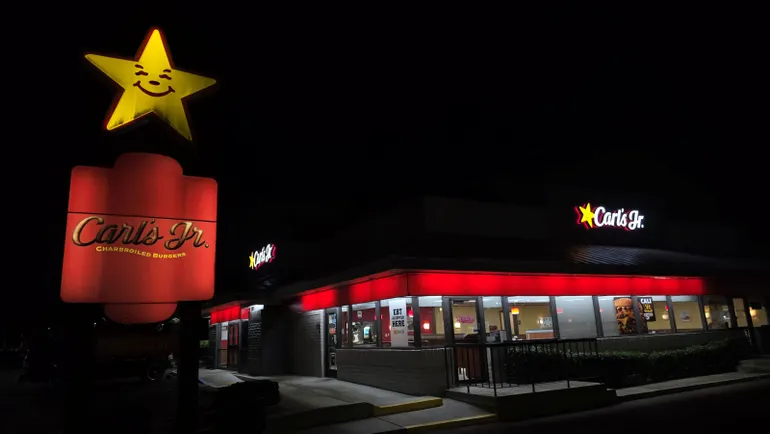
A California Carl’s Jr. bankruptcy filing has turned the state’s $20 fast-food wage floor into a fresh warning for Taco Bell franchisees: when labor costs jump, the pressure does not stay on paper, it hits schedules, prices, remodel plans and expansion.
Friendly Franchisees Corporation, which operates 65 Carl’s Jr. restaurants in California, told the court that the higher minimum wage was one of the reasons it fell into financial distress before its Chapter 11 filing. Its CEO and founder said the wage increase materially increased operating expenses. That matters far beyond one burger chain because California’s fast-food wage policy has been one of the most closely watched labor-policy experiments in the restaurant industry.
The law, AB 1228, took effect on April 1, 2024 and set the fast-food minimum wage at $20 an hour for workers at chains with more than 60 locations nationwide. It also created a Fast Food Council inside the California Department of Industrial Relations, with authority to set future wage increases and develop industry standards. Future annual increases are capped at the lesser of 3.5% or the annual change in CPI-U, so the wage floor is now built to keep climbing, even if more slowly.
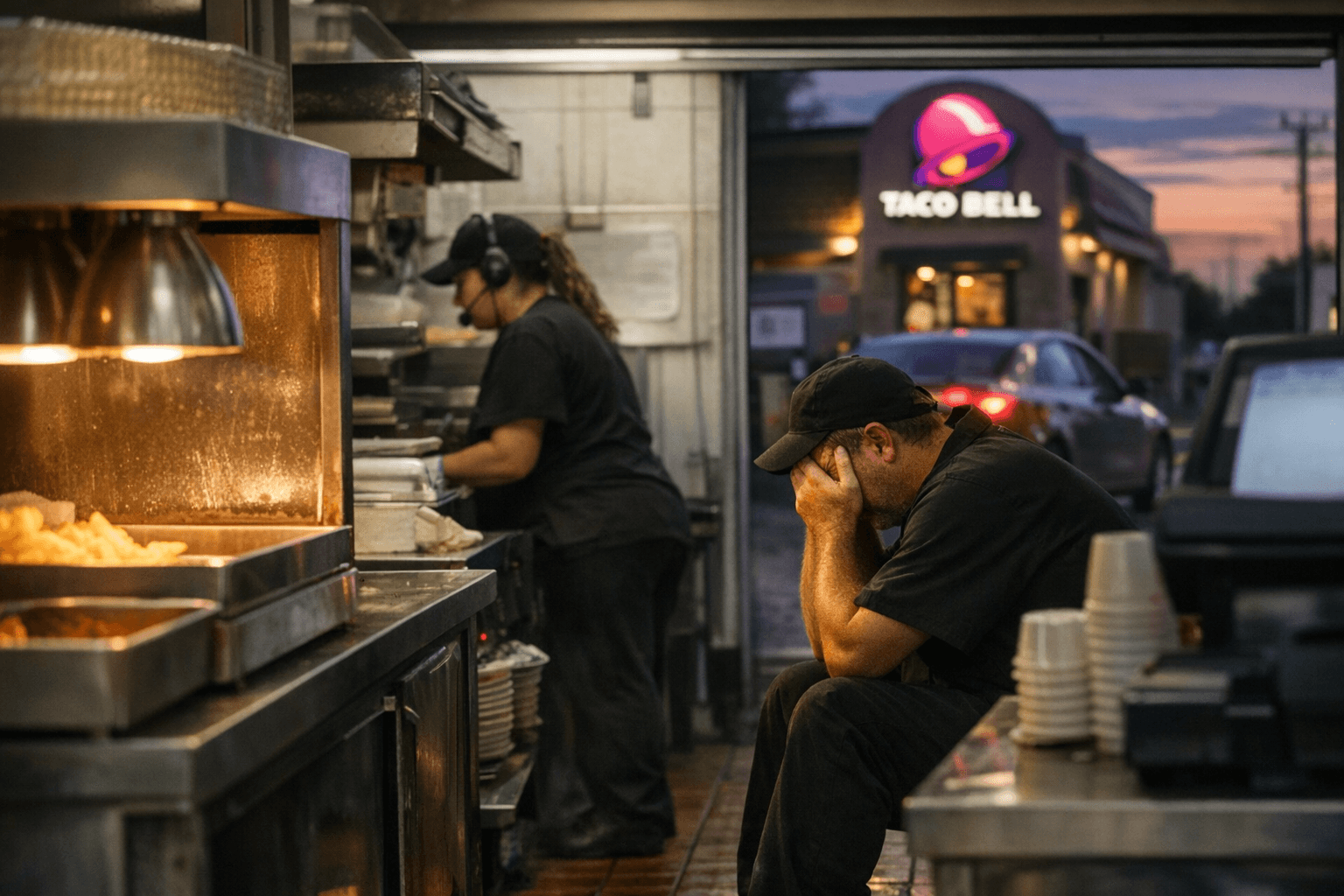
For Taco Bell operators, the chain reaction is easy to map. Higher hourly pay can force tighter labor ratios, fewer people on shift, more cross-training, and less tolerance for overtime. It also raises the stakes for pricing, because franchisees have to decide whether higher menu prices can cover the cost without slowing traffic. If not, owners usually look for savings elsewhere, including automation, delayed remodels and a slower pace of new store openings. One Taco Bell franchisee, Diversified Restaurant Group, said in 2024 that it was considering automation in California to offset the $20 labor cost while protecting guest experience.
The policy fight is still active. On Jan. 23, 2026, the Fast Food Council met in Sacramento with more than 40 franchise owners reportedly in attendance to oppose another wage increase. California’s broader minimum wage rose to $16.90 on Jan. 1, 2026, narrowing but not closing the gap with the fast-food rate. In March, University of California, Berkeley researchers said the $20 wage raised earnings without job losses or major price hikes, while a University of California, Santa Cruz working paper reported fewer hours, higher prices and more automation.
That split is the real lesson for Taco Bell crews and managers: wage policy is no longer a distant Sacramento debate. It is shaping how many people are on the clock, how fast stores move, and whether operators choose labor, technology or delayed growth to protect margins.
Know something we missed? Have a correction or additional information?
Submit a Tip