Taco Bell faces tighter hiring as teen labor force participation falls
Taco Bell’s hiring problem is getting bigger than any one store: fewer teens and young adults are in the labor force, making shifts harder to staff and crews harder to keep.
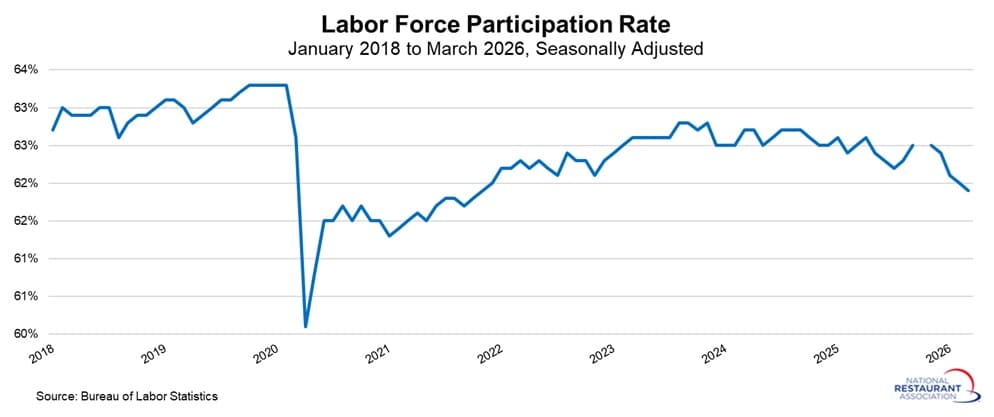
Taco Bell’s labor problem is no longer just about posting another job ad at a single store. With the civilian labor force sliding from 128.69 million in March 2025 to 123.84 million in March 2026, the National Restaurant Association’s latest read on the labor market points to a smaller pool of people available for crew jobs, especially for the teens and 20-to-24-year-olds Taco Bell depends on most.
The association said labor force participation fell to 61.9% in March, the lowest level since November 2021, with the steepest declines among teens and people ages 20 to 24. That matters for Taco Bell because its hiring model leans heavily on flexible schedules, entry-level recruiting and quick internal promotions from team member to shift lead. If fewer young workers are looking for jobs, franchisees and company stores will have a harder time filling the same mix of lunches, late nights and weekend closes without squeezing the people already on the clock.
The shift is especially notable because the same industry group projected just months earlier that restaurants would add 490,000 summer jobs. It also said restaurants employ 1.9 million 16- to 19-year-olds, about one-third of all working teens, and that 6.2 million teens were in the labor force in April 2025, the highest level in more than 15 years. The comparison suggests a market that was still expanding but with less slack. For Taco Bell managers, that likely means more competition for experienced shift leaders, more pressure to cross-train crew, and less room to assume a steady inflow of applicants when schools let out or schedules open up.
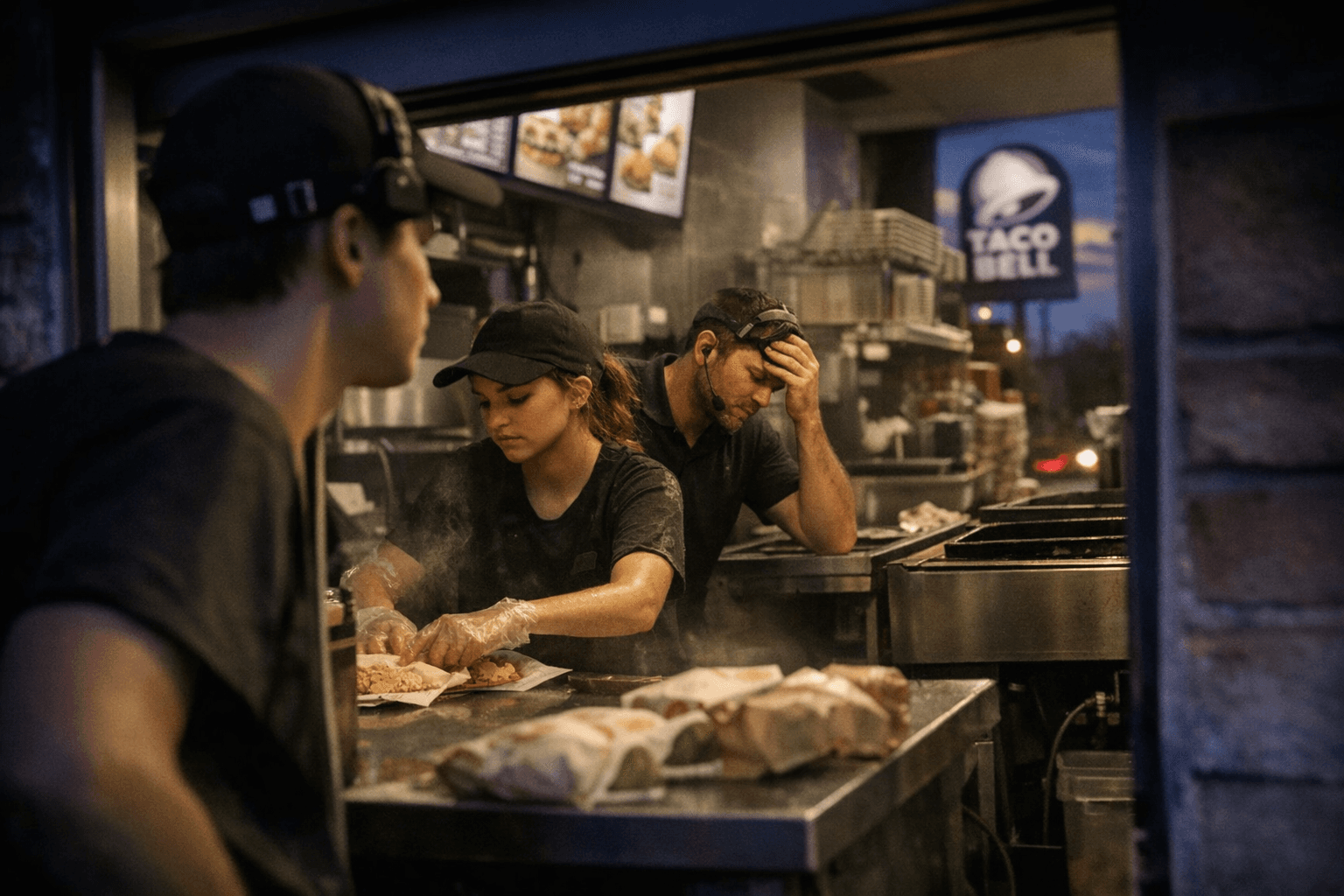
Taco Bell has already been trying to hold onto workers longer. The chain said it planned to expand its Tacos and Tuition benefit to franchisee-owned locations, extending access to more than 3,000 online programs and courses worth more than $10,000 per participating worker. Taco Bell said company-store efforts improved retention by 17% year over year and cut general-manager vacancies by 27%, while retention among front-line workers enrolled in the tuition program rose to 73%. General managers who used the program stayed at 1.5 times the rate of those who did not.
That retention push will matter as Taco Bell grows into a tighter labor market. The brand’s full-year 2025 same-store sales rose 7%, and transaction growth was especially strong among consumers ages 18 to 24, even as Yum Brands targets $3 million average unit volumes by 2030. With franchisees operating 7,100 locations and the system employing more than 250,000 team members, Taco Bell’s next bottleneck may not be demand. It may be finding enough people to keep the line moving, the drive-thru open and the closing shift covered.
This article was produced by Prism’s automated news system from verified source data, official records, and press releases, then run through automated quality and moderation checks before publishing. The system is built and supervised by the people who set the standards it runs under. Read our full AI policy.
Did this article answer your question?