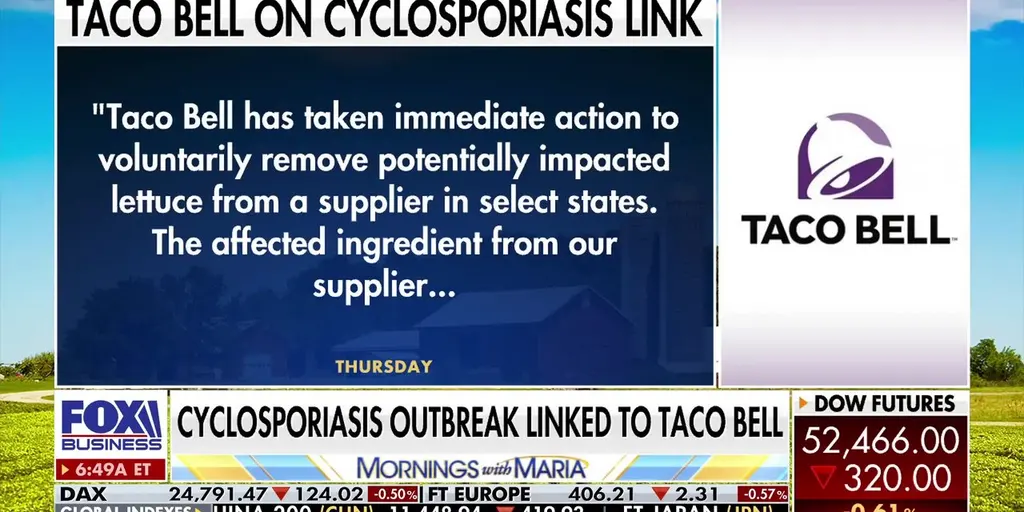
California restaurant safety guide offers Taco Bell managers practical lessons
A California safety guide doubles as a Taco Bell audit tool, flagging burns, slips and training gaps before they turn into injuries, citations or turnover.

Hot oil at the fry station, wet tile near the sink, knife cuts in prep and chemical mix-ups during closing can all hit in the same Taco Bell shift. A Cal/OSHA restaurant safety guide gives managers outside California a practical walk-through for front counter, drive-thru, prep, fry station and closing work, because the hazards it names are the same ones that show up in stores nationwide.
What the guide is actually for
The August 2024 California Restaurant Employees Workplace Safety & Health Guide is a workplace safety and health reference, not a legal interpretation of the rules. The guide is meant to point out common hazards and the basics of an effective Injury and Illness Prevention Program, not to serve as a substitute for the occupational safety and health standards themselves.
For a Taco Bell team, that makes it less like a binder to keep on a shelf and more like a shift audit. If the same sink area keeps getting slick, if the fry station keeps producing minor burns, or if chemical bottles get mixed up during closings, the guide gives managers a concrete way to isolate the problem and fix it before it becomes a reportable injury or a staffing headache.
The hazards that show up in a real Taco Bell shift
It covers burns, cleanup safety, electrical hazards, freezer safety, fryer safety, safe knife handling, lifting and carrying, slips and falls, chemical hazard communication, machine guarding, ladder safety and injury-prevention basics. Those are the everyday exposures of fast food work, especially when the store is busy, short staffed or running late.
At a Taco Bell, those risks show up in familiar places. Hot oil and warming equipment raise burn risk at the fry station. Wet tile near the sink or ice machine turns cleanup into a fall hazard. Sharp prep tools, stacked product and quick restocking make cutting and lifting mistakes more likely. Even the drive-thru can feed the same pattern, because a store that is moving fast often leaves little room for careful housekeeping.
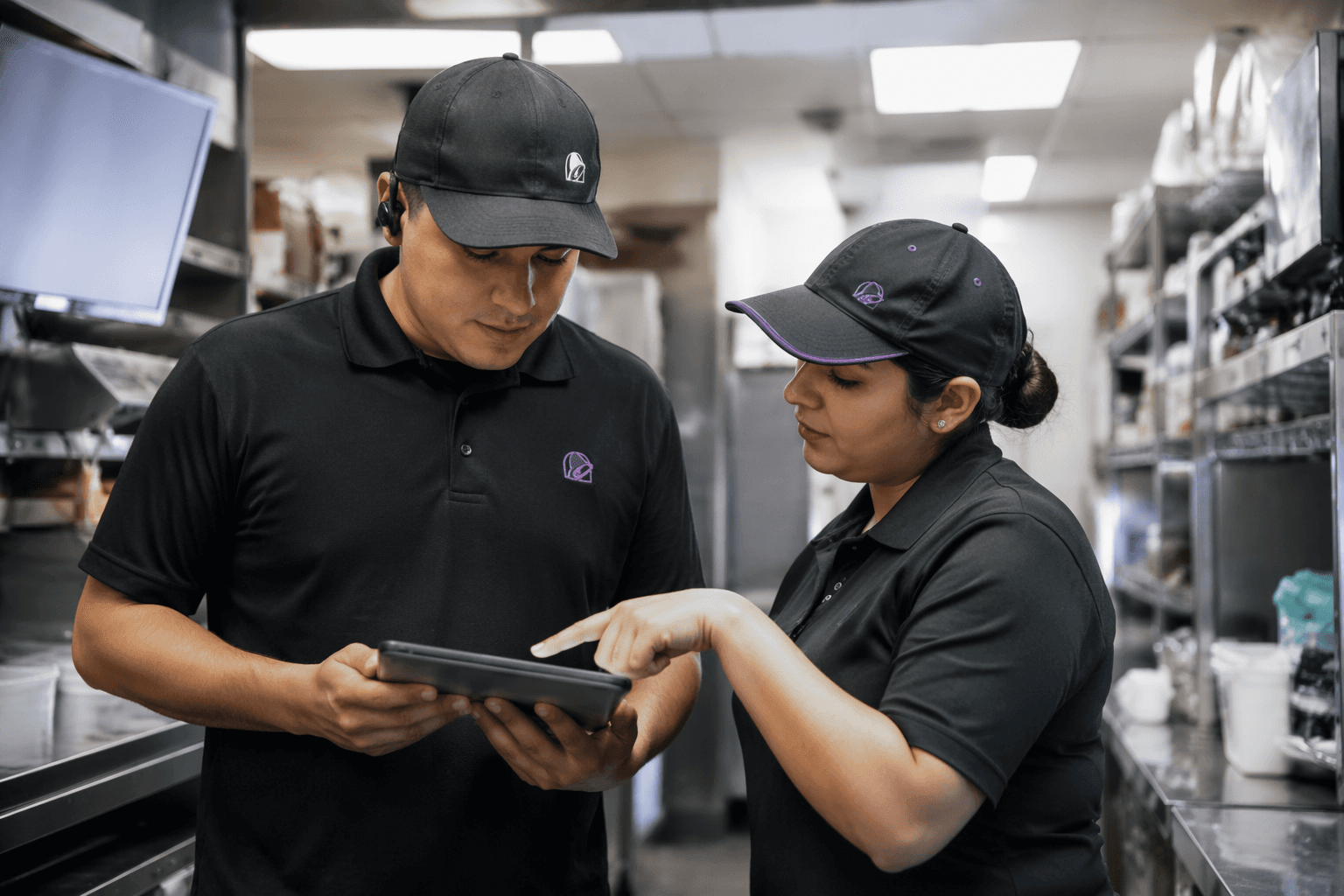
For managers, the practical lesson is simple: walk the store the way an injury would. Look at cord placement near wet surfaces, how chemicals are labeled and stored, whether ladders are being used correctly, and whether machine guards are in place and actually staying in place.
Why safety is also a labor issue
Safer workplaces mean fewer lost-time incidents, lower workers' compensation costs, lower turnover and higher productivity. In a high-churn restaurant, that is not abstract management language. It affects whether a shift feels stable, whether new hires stick around long enough to get good at the job, and whether managers spend their time coaching or constantly replacing injured or frustrated workers.
Taco Bell stores operate in a labor market where speed and consistency are everything, and safety failures usually show up as chaos before they show up as citations. A crew that trusts the store to be safe is more likely to move quickly without cutting corners.
Young workers need tighter supervision
The guide’s emphasis on young workers lines up with federal guidance from OSHA and the CDC. OSHA’s Young Worker Safety in Restaurants eTool covers common restaurant hazards and safety solutions for teen workers and employers, including risks in cleanup, cooking, delivery, drive-thru, serving and general operations. The CDC says young workers have high rates of job-related injuries, often because of hazards in places like retail spaces and restaurants, limited prior work experience and a lack of safety training.
That matters at Taco Bell because restaurants often rely on newer, younger employees to cover peak hours and closeouts. When procedures are informal or rushed, those workers are usually the first to miss a step on a wet floor, a chemical bottle, a hot pan or a ladder. The fix is not a lecture. It is a more structured handoff, clearer labeling, and managers who treat short training windows as a risk factor, not a convenience.
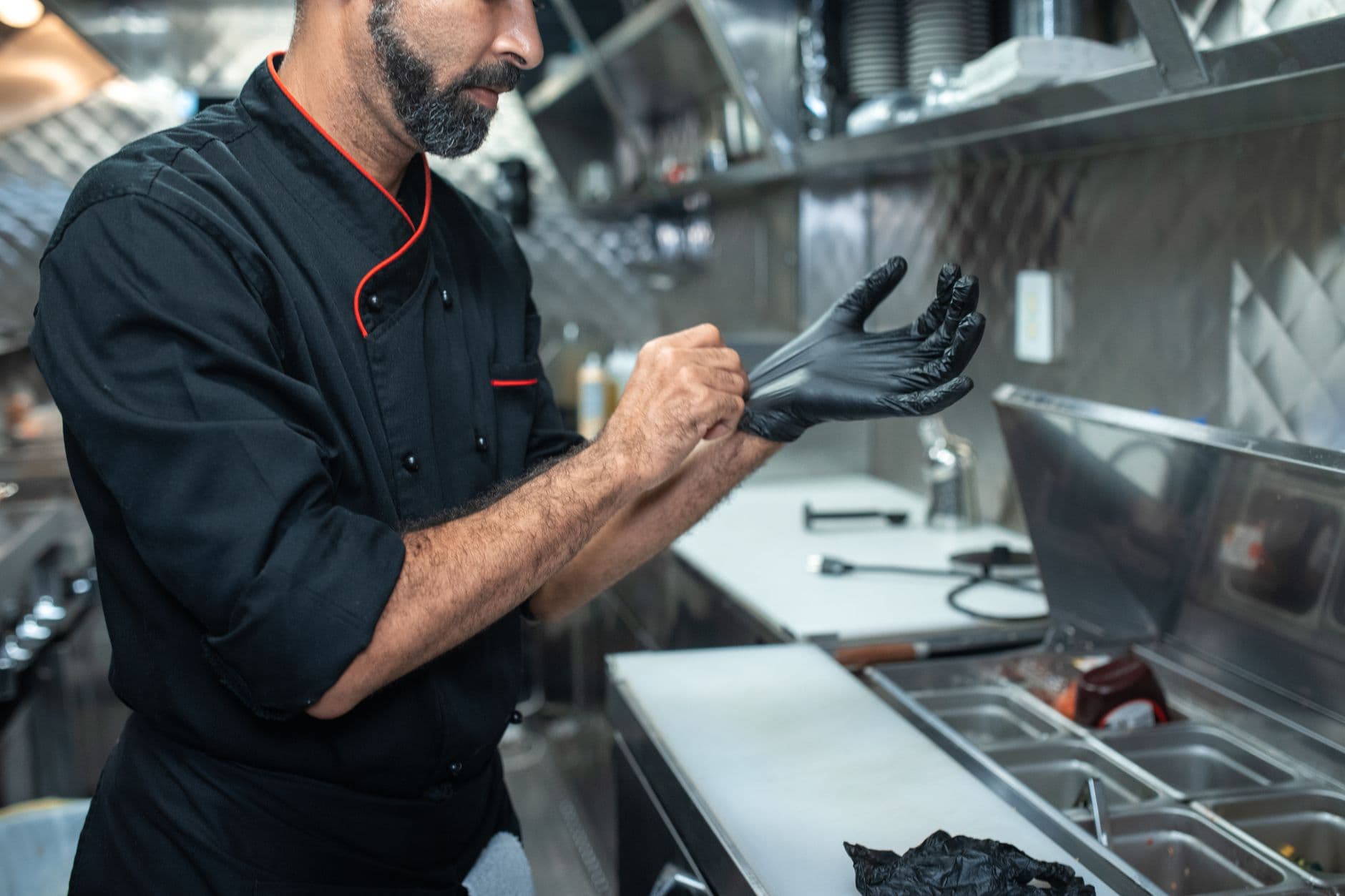
Drive-thru, late hours and workplace violence
OSHA flags workplace violence as a restaurant issue, especially where there is cash, late hours and public contact. That is a real Taco Bell concern at the drive-thru window, the front counter and the closing shift, when staffing is thinner and the store is still dealing with customers. The risk is not just robbery; it is the everyday tension that comes with money handling, late-night demand and repeated customer contact in a fast-moving environment.
For managers, the prevention checklist is practical: keep visibility clear, make sure staff know when to escalate, maintain communication between the counter and back of house, and avoid leaving a single employee isolated in high-contact situations.
California rules still point to a national standard
California employers have been required to maintain a written, effective Injury and Illness Prevention Program since 1991, and Cal/OSHA offers free telephone, email and onsite consultation assistance. Even if a Taco Bell store is outside California, that framework is useful because it turns safety into a routine management task instead of a legal afterthought.
Taco Bell’s careers site says many owners and operators offer training and development, while also making clear that franchisees and licensees are independent business owners and employers responsible for their own employment practices. Inspire Brands, Taco Bell’s corporate parent, says it supports about 650,000 company and franchise team members across its portfolio.
This article was produced by Prism’s automated news system from verified source data, official records, and press releases, then run through automated quality and moderation checks before publishing. The system is built and supervised by the people who set the standards it runs under. Read our full AI policy.
Did this article answer your question?