Chicago keeps tipped wage phaseout on track after veto fails
Brandon Johnson’s veto held, keeping Chicago’s tipped wage on a five-year climb and keeping pressure on restaurant prices, staffing and hiring.
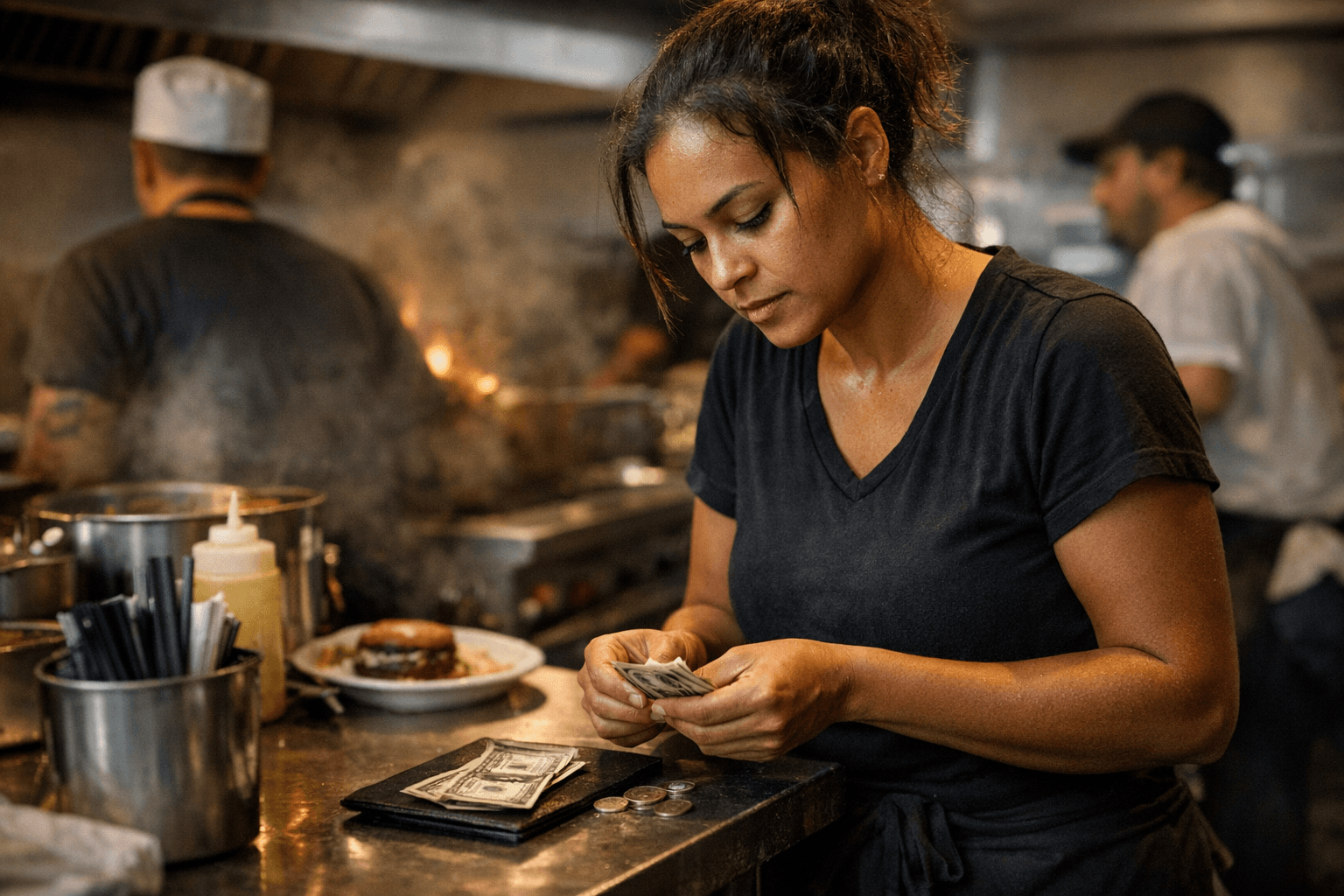
Chicago’s tipped-wage phaseout stayed on track after Mayor Brandon Johnson’s veto of a freeze measure survived, keeping pressure on restaurant payrolls, menu prices and staffing plans across the city. For Taco Bell operators, the issue matters even in stores that do not rely on tips: Chicago keeps resetting local wage expectations, and that raises the stakes for hiring crew in a market where every restaurant is chasing the same hourly workers.
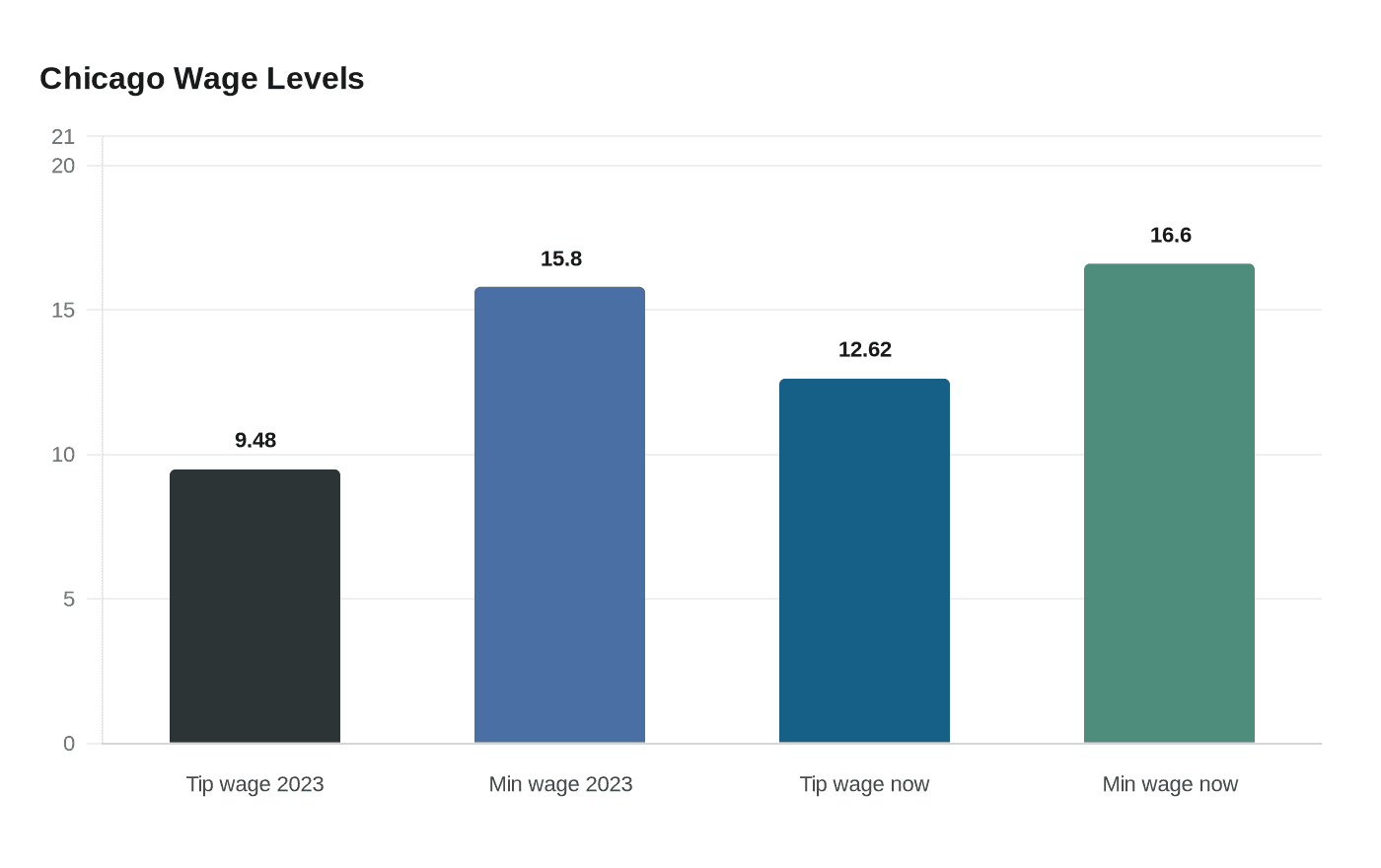
The policy traces back to the One Fair Wage ordinance, which the Chicago City Council approved on October 6, 2023 after an effort led by 26th Ward Alderperson Jessie Fuentes. The city said the law phases out Chicago’s subminimum wage for tipped workers over five years, starting July 1, 2024, by lifting tipped wages 8% a year until they match the city minimum wage. At passage, the tipped wage was $9.48 an hour and the standard minimum wage was $15.80. Chicago now sets the tipped wage at $12.62 an hour and the city minimum wage at $16.60.
The fight came back to City Hall in March and April. On March 18, the council voted 30-18 to freeze the tip credit at 24% of Chicago’s minimum wage, but Johnson threatened to veto the measure. On April 16, the council fell short of the 34 votes needed to override him, leaving the phaseout in place. Johnson had argued that stopping the rollout would be “tone deaf” and “irresponsible.”
Restaurant groups say the policy is already changing how operators run their businesses. The Illinois Restaurant Association said a March 2026 survey of 204 full-service restaurants found that 98% had made operational changes after the July 1, 2025 wage increase. Of those operators, 89% raised menu prices, 79% cut employee hours and 72% reduced staffing levels. The group also said 496 Chicago restaurants closed in the first half of 2025 and that full-service restaurants were still 7,800 jobs below pre-pandemic levels as of December 2025.
That is the pressure point for Taco Bell managers and payroll teams. Even if a Taco Bell location is not working through a tip-credit system, the same labor pool, same inflation pressures and same city wage politics shape what it costs to keep shifts covered. When full-service restaurants raise pay, trim hours or shut down, quick-service chains have to decide whether to match the market with higher wages, adjust schedules or absorb more turnover.
Supporters of the ordinance, including Johnson and One Fair Wage president Saru Jayaraman, have cast it as a wage-equity issue as much as a labor policy. Johnson said the law was meant to help address the restaurant staffing crisis and youth employment, while supporters have tied it to broader pay equity for tipped workers. For Chicago employers, the message is simple: the city’s wage floor is still moving, and restaurant labor budgets have to move with it.
This article was produced by Prism’s automated news system from verified source data, official records, and press releases, then run through automated quality and moderation checks before publishing. The system is built and supervised by the people who set the standards it runs under. Read our full AI policy.
Did this article answer your question?