Labor Department proposes new joint-employer rule affecting Taco Bell franchise workers
The Labor Department’s new joint-employer proposal could make Taco Bell franchise oversight over hiring, scheduling and pay a liability trigger.

The Labor Department moved to give employers a single nationwide joint-employer standard, and for Taco Bell operators that means one question now carries more weight: who really controls the people on the clock. The proposed rule, announced April 22, would align joint-employer analysis under the Fair Labor Standards Act, the Family and Medical Leave Act and the Migrant and Seasonal Agricultural Worker Protection Act. If a joint-employment relationship exists, the department says both employers can be jointly and severally liable for wages, damages and other relief owed to workers, including overtime premiums. Public comments are due by 11:59 p.m. EDT on June 22, 2026, and the Wage and Hour Division says workers and employers can call 866-4US-WAGE, or 487-9243, for compliance help.
For Taco Bell, the proposal lands in the middle of a franchise system built for shared but divided control. Yum! Brands says it franchises or operates more than 63,000 restaurants in 155 countries and territories, and Taco Bell traces its roots to Glen Bell’s first location in Downey, California, in 1962, with the first franchise sold in 1964. The Labor Department’s draft says business ties that have little to do with a specific worker, including franchise relationships by themselves, are not enough to establish horizontal joint employment. The real exposure is vertical control: whether a potential joint employer hires or fires, supervises and controls schedules or other conditions of employment, determines pay, or maintains employment records.
The new proposal is also a reset after years of regulatory whiplash. The Labor Department finalized a joint-employer rule in January 2020 and rescinded it in July 2021. The National Labor Relations Board later issued a broadened joint-employer rule in October 2023, only for a federal judge in the Eastern District of Texas to vacate it in March 2024 before it took effect. The department says its latest proposal is meant to restore regulatory guidance, promote certainty, reduce litigation and improve uniformity for the courts and the Wage and Hour Division. Restaurant and franchise groups have repeatedly pushed back against broader standards, arguing they blur the line between franchisor oversight and franchisee responsibility.

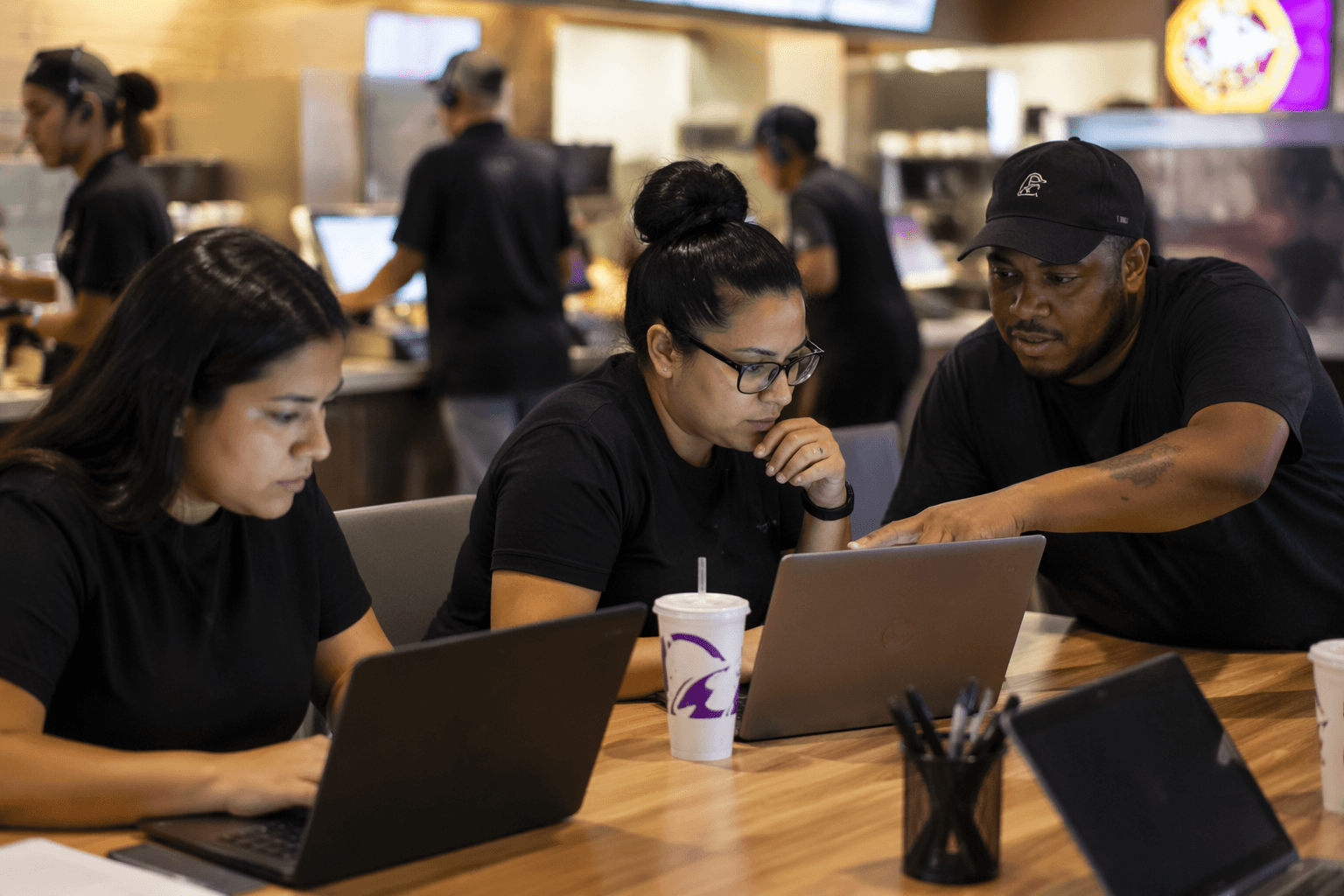
For Taco Bell franchise managers, the audit now is straightforward: review who sets schedules, who can approve overtime, who changes punches, who trains shift leaders, who can hire, fire or discipline, who controls payroll systems, and whose name is on the records when leave requests or wage complaints surface. Contract language should match daily practice, because regulators will look past brand standards and into actual control over hiring, scheduling, pay rates and employment files. If corporate support ends at menu boards and operating rules, the paper trail should show it; if corporate staff can direct labor decisions, the risk picture changes fast. Workers with questions about wages, overtime or leave can still go straight to the Wage and Hour Division at 866-4US-WAGE.
This article was produced by Prism’s automated news system from verified source data, official records, and press releases, then run through automated quality and moderation checks before publishing. The system is built and supervised by the people who set the standards it runs under. Read our full AI policy.
Did this article answer your question?