Dave’s Hot Chicken pulls back on drive-thru AI after guest backlash
Dave’s Hot Chicken proved voice AI can complete orders, but guests still hated talking to a robot. Taco Bell’s expanding drive-thru tests now face that same worker-level reality.
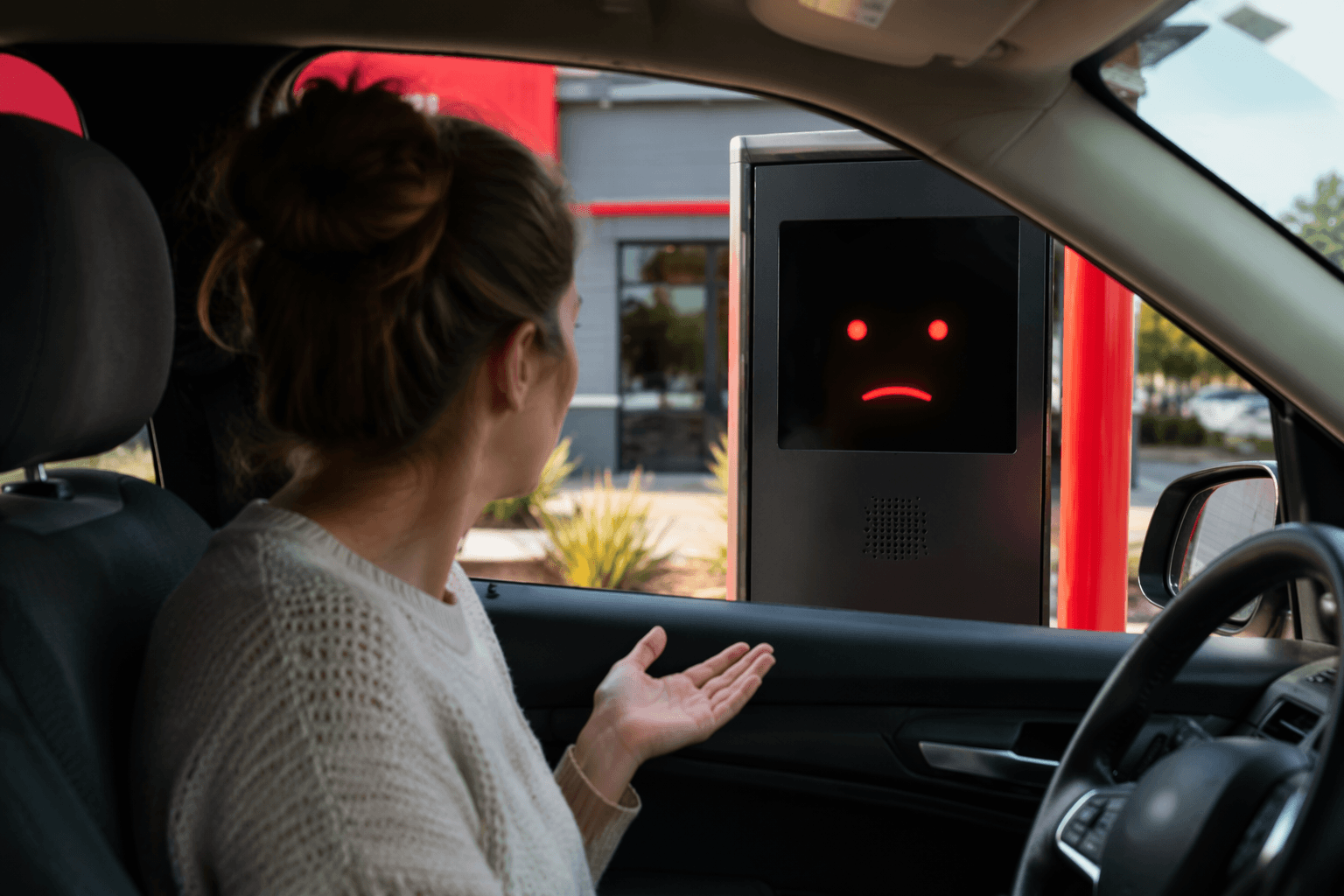
Dave’s Hot Chicken’s retreat from drive-thru voice AI is a reminder that a clean completion rate is not the same thing as a good lane experience. On June 4, the chain’s chief technology officer said the system could finish orders, but guests did not like talking to a robot at the order point, so the company pulled back and kept its focus on tools that work for both operations and customers.
That matters for Taco Bell crews because voice AI can remove only one slice of the job. It can take the first pass at order taking, but it cannot calm an irritated guest, catch a missed modification, fix a bad item before it reaches the window, or decide when a combo upsell makes sense. When the software stumbles, the burden shifts to the cashier, the runner, or the shift manager standing at the handoff point.
Dave’s also showed that restaurant tech teams are not chasing novelty for its own sake. The company has been upgrading point-of-sale and kitchen display systems as part of a broader technology effort, while also looking at kiosks, drone delivery and computer vision. Even there, leadership said each idea has to clear the bar for reliability, economics and customer comfort before it gets the green light.
Taco Bell has already made that bet at scale. On July 31, 2024, Yum! Brands said voice AI was already live in more than 100 Taco Bell drive-thrus across 13 states and would expand to hundreds of U.S. locations by the end of 2024. Yum said the goal was to modernize drive-thrus and improve the experience for consumers and team members, a promise that only works if the tool actually reduces friction on the line.
The chain has kept that message alive even as it fine-tunes the rollout. In September 2025, Taco Bell chief digital and technology officer Dane Mathews said voice AI remained central to the brand’s future, but that some restaurants would benefit from it more than others. Reporting at the time described Taco Bell as rethinking its deployment after pranks and mixed results.
The scale of the digital push makes the stakes higher for crews and managers. In Yum’s second-quarter 2025 results, Taco Bell U.S. posted 4% same-store sales growth, while the parent company reported more than $9 billion in digital system sales and a record 57% digital sales mix. Taco Bell also used its March 4, 2025 Live Más LIVE event as a showcase for a year of innovation, with chief executive Sean Tresvant pitching more menu ideas and more ways to connect with fans.
The lesson from Dave’s is plain: drive-thru AI can help, but only if it preserves speed, accuracy and a human feel. If it makes guests uneasy, the crew ends up doing the repair work anyway, and the technology becomes one more task to manage instead of a problem solved.
This article was produced by Prism’s automated news system from verified source data, official records, and press releases, then run through automated quality and moderation checks before publishing. The system is built and supervised by the people who set the standards it runs under. Read our full AI policy.
Know something we missed? Have a correction or additional information?
Submit a Tip