EEOC says Applebee’s operator to pay $270,000 over harassment claims
A $270,000 EEOC deal shows how ignored harassment complaints can drive workers out and put managers on the hook for retaliation and training failures.
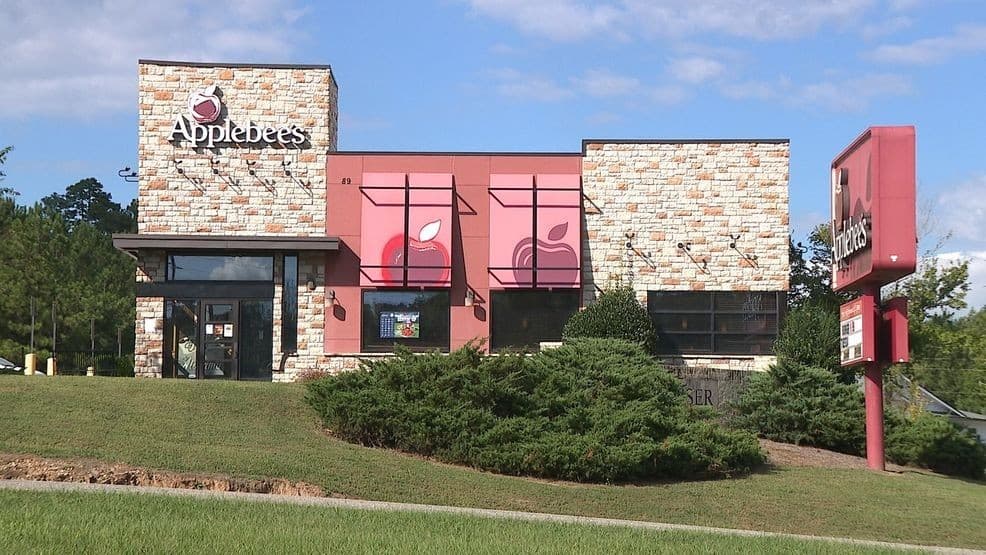
Restaurant managers who miss the first complaint often end up paying for the whole breakdown. That is the blunt lesson for Taco Bell crews and shift leaders after the EEOC said Quality Restaurant Concepts, the operator of about 60 Applebee’s restaurants across the Southeast, will pay $270,000 and overhaul its policies after harassment claims tied to a Chelsea, Alabama, store.
The agency said at least six female employees were affected beginning around April 2023, including minors, after a general manager allegedly made unwelcome sexual comments, advances, offensive conduct and physical contact. Other managers allegedly failed to stop similar behavior from employees and customers, and the company allegedly knew the manager had previously harassed a 16-year-old at another QRC location but still let him keep working closely with young women. At least two female employees quit because the environment became intolerable.
The settlement resolves EEOC case No. 2:24-cv-1331 in the U.S. District Court for the Northern District of Alabama after the agency first tried conciliation. Under the decree, QRC must pay the $270,000, complete mandatory training, change policies and file reporting updates. That mix matters because the penalty is not just about one manager’s misconduct. It is about what happens when complaints are not taken seriously fast enough, and when a restaurant keeps putting vulnerable workers back into the same chain of command.

For Taco Bell managers, that should land close to home. The EEOC has repeatedly said young workers are especially vulnerable because they are less likely to know when a line has been crossed and more likely to stay quiet if the harasser has authority. In a March 11, 2025 lawsuit, the agency accused six Taco Bell-related entities in Michigan of letting a senior area manager sexually harass female employees, including multiple teenagers, on a near-daily basis, and then firing a local assistant manager the same day she reported it.
That is the operational risk restaurant leaders cannot ignore. The EEOC’s harassment guidance says unlawful conduct can come from supervisors, co-workers, agents and even customers, and it calls for an effective complaint process, anti-harassment training and immediate corrective action when employees speak up. Taco Bell also has its own history here: in 2009, Taco Bell Corporation paid $350,000 to resolve an EEOC sexual harassment case involving two teenage Memphis workers. The pattern is clear. When managers look away, workers leave, schedules destabilize and the bill keeps growing.
Know something we missed? Have a correction or additional information?
Submit a Tip
%3Amax_bytes(150000)%3Astrip_icc()%2Far-TacoBell_ShreddedBeefNachoFries_800x469-42744d1b0b0945d48fa6b976df848651.jpg&w=1920&q=75)