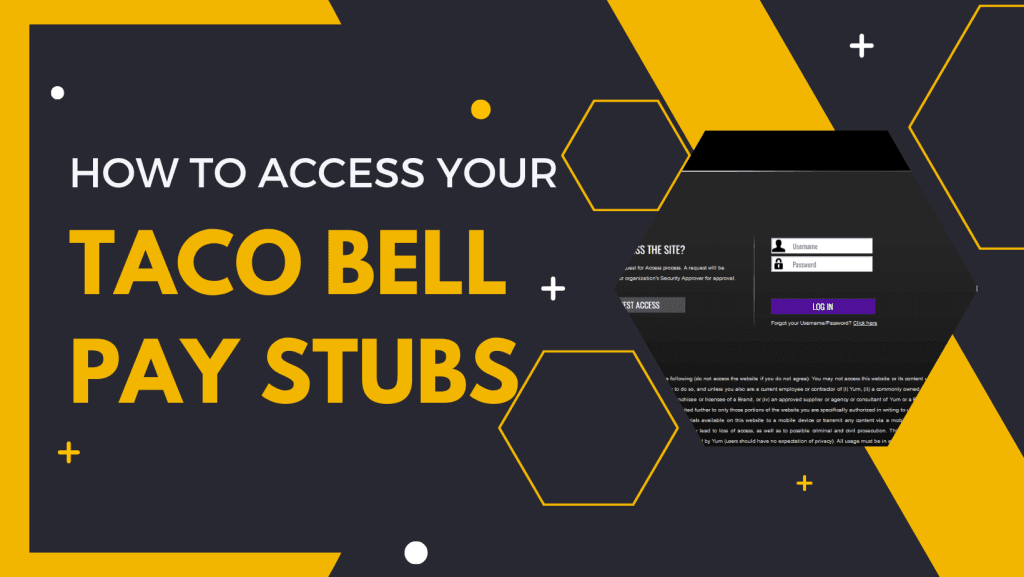
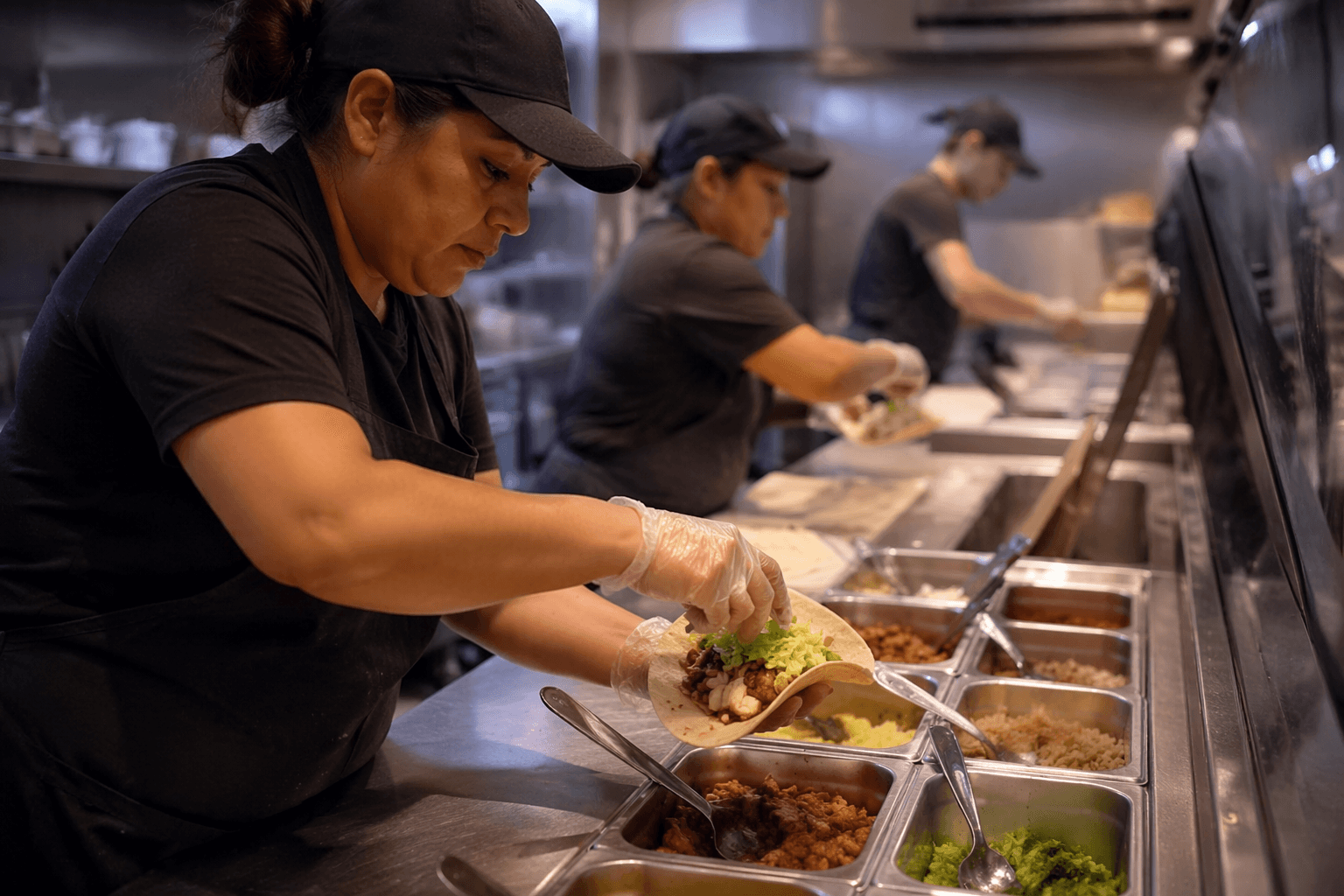
Fast Food Workers Average $13 Per Hour Nationally, But Local Rates Vary Widely
The national $13/hour fast food average masks a wide spread: 18 states floor workers above $15, turning every dollar of local lag into a measurable retention risk.
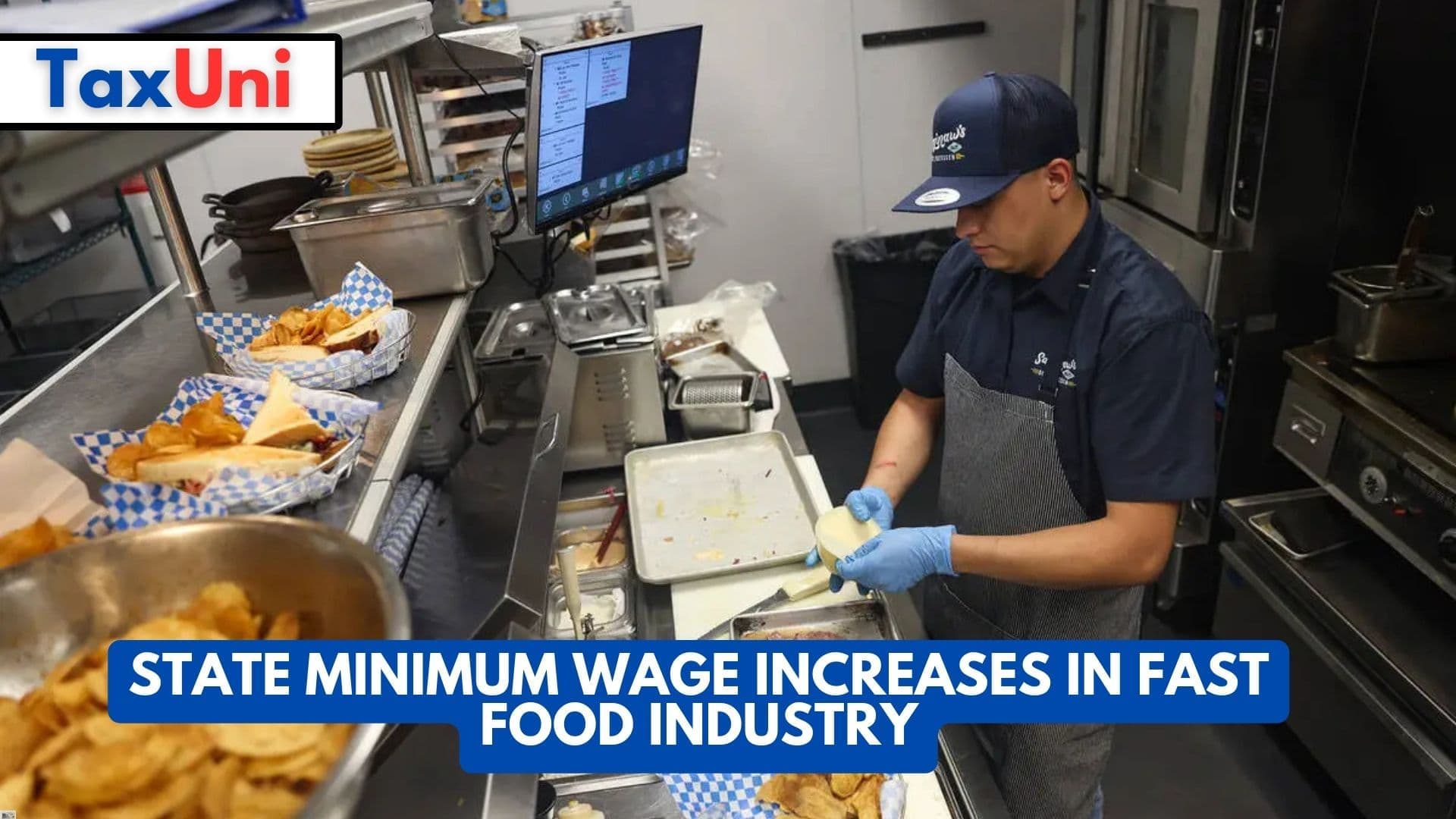
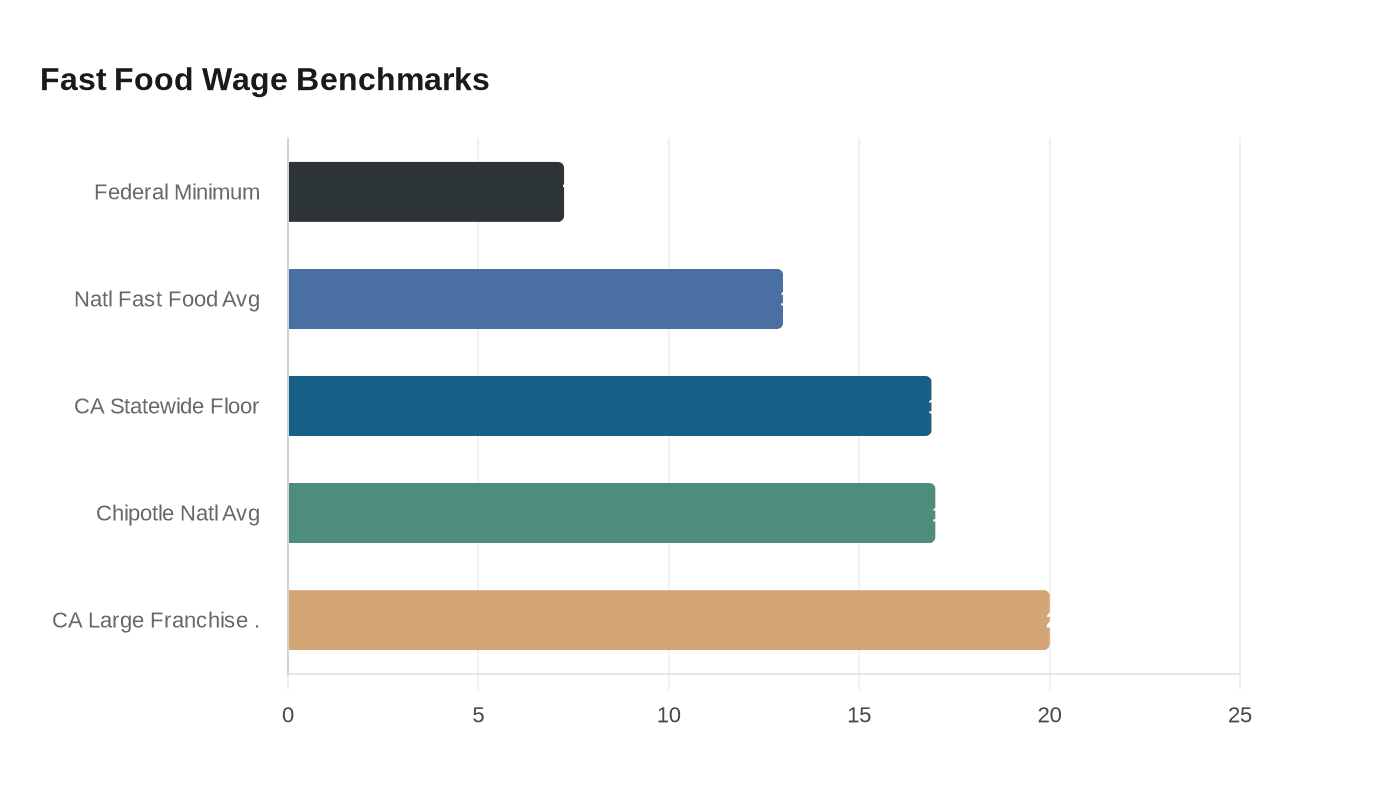
The national average for fast food workers landed at $13 an hour in Salary.com's April 2026 benchmark, annualizing to roughly $27,404 a year. That number tells part of the story. The rest depends entirely on zip code.
Eighteen states and Washington, D.C. now set minimum wage floors at $15 or higher. California's statewide floor sits at $16.90, and franchise chains with 60 or more locations, the category that covers every major Taco Bell operator, must pay at least $20 an hour under a sector-specific rule that took effect in April 2024. The federal minimum remains frozen at $7.25, unchanged since 2009. In markets straddling those extremes, a single $13 benchmark obscures whether a store is competitive or underwater.
The math turns uncomfortable quickly. A $1/hour gap below market rate, applied to a 160-hour work month across 15 crew members, amounts to roughly $2,400 in apparent monthly savings. But that calculus ignores replacement cost. In a survey of 511 U.S. restaurant operators, respondents reported average replacement costs of $1,056 for a front-of-house employee. Other industry estimates place total replacement expense, including recruiting, hiring, and training, above $2,300 per departed hourly worker. In 2025, the average restaurant employee turnover rate topped 75%. A 15-person crew at a store paying below-market will statistically replace more than 11 workers per year, generating a conservative $11,600 annual drag before a single training hour is logged.
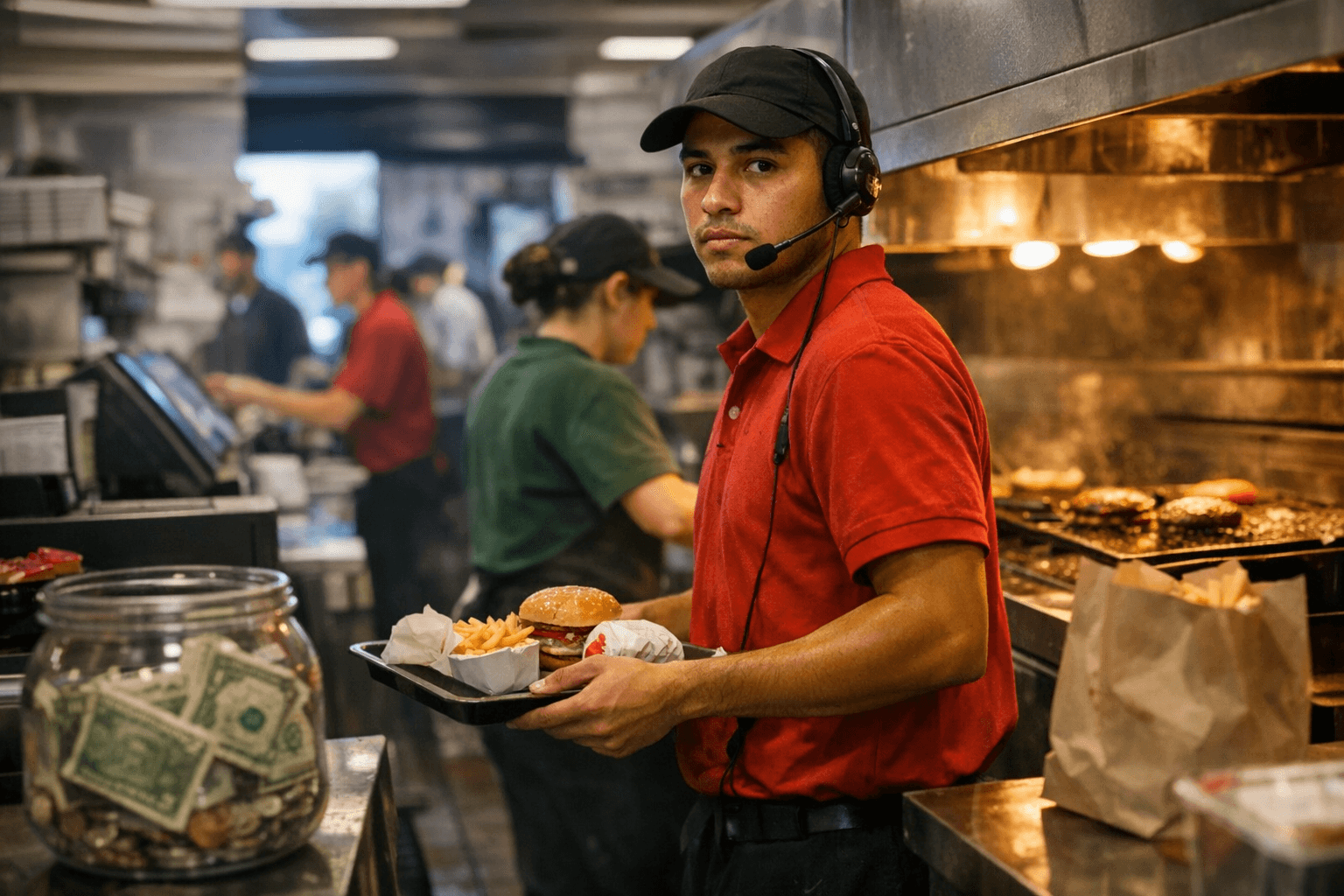
Competitor pay sharpens the recruiting headwind. McDonald's crew members nationally earn between $10 and $18 an hour, with a typical starting range of $12 to $14. Chipotle's national average runs around $17 an hour, exceeding McDonald's in most shared markets. Shake Shack, with its urban-heavy footprint, ranges from $16 to $22. In any metro where Chipotle operates within the same labor draw, a Taco Bell franchisee sitting at or near $13 is recruiting against a $4-per-hour disadvantage.
There is evidence that closing the gap produces returns. Increased wages in California reduced fast food turnover from the industry's historic 150-to-300 percent annual range down to 150-to-200 percent. That is still a punishing churn rate, but the directional shift holds. Some franchise operators responded by investing in automated kiosks and AI voice ordering systems, which compresses headcount but raises the stakes for retaining the crew that remains.
For store-level managers, the practical decisions split into two tiers. Adjustments that don't require franchise or market approval typically include shift premiums for nights and weekends, cross-training incentives, and flexible hour guarantees that compete with gig-economy alternatives. Base-rate increases, sign-on bonuses, and benefit upgrades generally require franchise-owner or regional authorization under Yum! Brands' structure.
Twenty-one states are rolling out wage increases in 2026, many on their own local calendars that differ from state law. Payroll must apply those changes on the correct effective date, not the following pay period. Misapplied updates create back-pay liability and, in states with private right of action, litigation exposure. Managers who coordinate with payroll ahead of posted effective dates, rather than waiting on a system update, are the ones who avoid scrambling when an inspection arrives.
The $13 national figure is a useful reference point. For any Taco Bell store in a competitive labor market, it functions more as a warning threshold than a target.
This article was produced by Prism’s automated news system from verified source data, official records, and press releases, then run through automated quality and moderation checks before publishing. The system is built and supervised by the people who set the standards it runs under. Read our full AI policy.
Know something we missed? Have a correction or additional information?
Submit a Tip