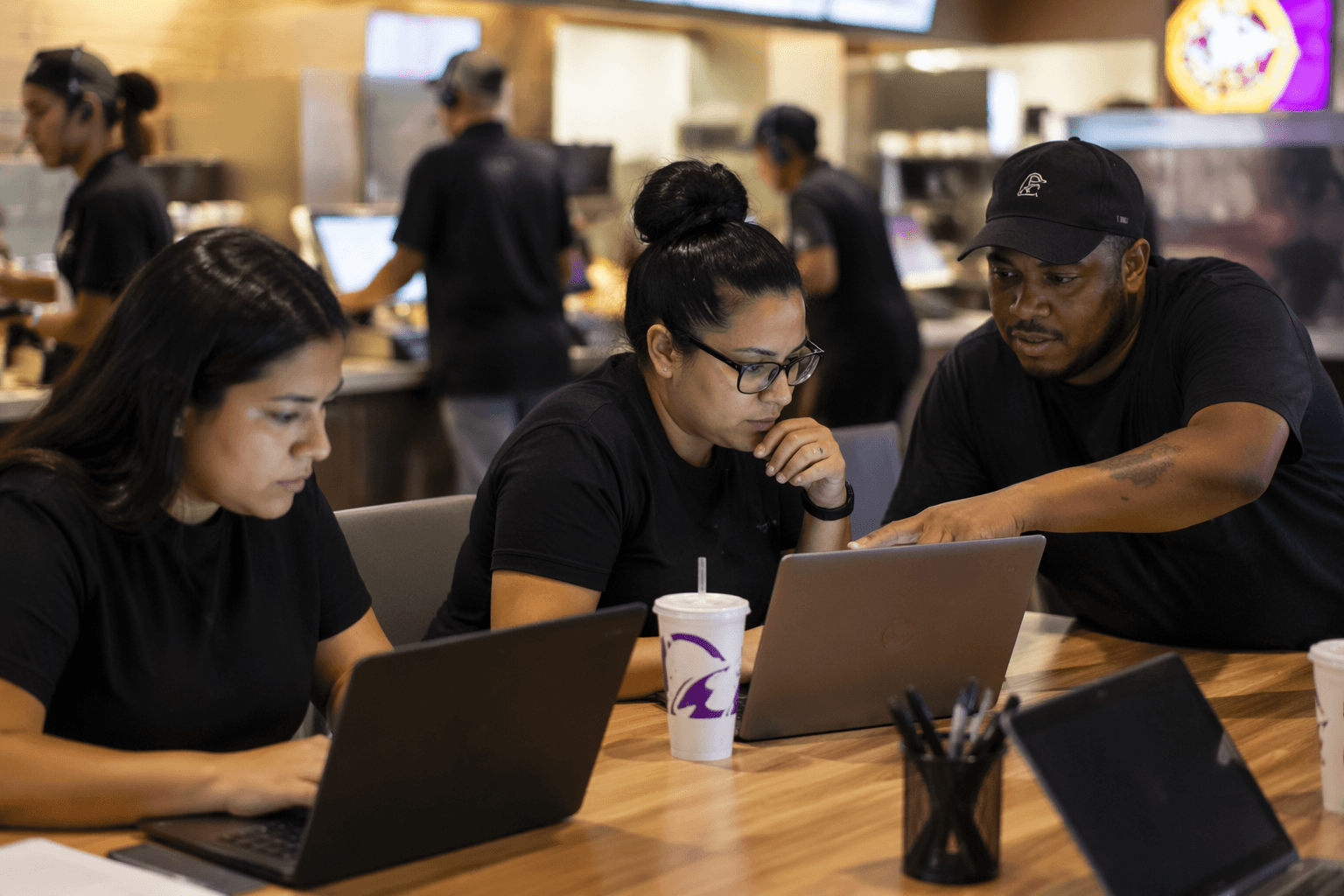
FDA handbook offers Taco Bell workers hygiene guidance to prevent illness
The FDA’s hygiene handbook is a shift-by-shift playbook for Taco Bell crews: wash at the right moments, glove up correctly, and keep sick workers off the line.
What this handbook really means on a Taco Bell shift
The FDA’s employee health and personal hygiene handbook is not paperwork for a drawer. It is a practical guide for the moments that decide whether a Taco Bell shift stays clean, legal, and fast or turns into a health-code headache. The agency says the handbook is meant for retail food managers and food employees, and it is designed to help stop workers from spreading bacteria and viruses such as Salmonella and norovirus.
That matters because the risk is not theoretical. CDC says more than half of U.S. foodborne outbreaks are tied to restaurants, banquet facilities, schools, and similar institutions, and norovirus causes about half of all outbreaks of food-related illness. In food-service settings, infected workers are often the source, usually through contact with ready-to-eat food. For a Taco Bell team, that is a direct operational warning: one sloppy hygiene decision can become a broken line, an upset guest, and a manager conversation nobody wants.
The handbook is a training tool, not a shelf document
FDA says the handbook should be used often with the Food Code, both as a training tool and as a reference during a foodborne outbreak. That is the real point for a store manager or shift lead: this is not something you review only before an inspection. It belongs in onboarding, refreshers, and the kind of side conversations that happen when a new hire is learning how a lunch rush actually works.
The FDA also says the handbook page reflects content current as of March 7, 2022, while the agency released an updated version in 2024. That split tells operators two things. First, the core hygiene rules have not changed just because the internet moved on. Second, if your store still treats food safety as a once-a-year training topic, you are already behind.
The exact hygiene moments that matter most
The FDA and CDC guidance points to a few behaviors that matter most on the line. For Taco Bell workers, the practical version is simple: wash hands at the moments when contamination is most likely, use gloves the right way, check temperatures when required, and never push through vomiting or diarrhea.
A shift-ready checklist looks like this:
- Wash hands before starting work and before touching ready-to-eat food.
- Wash hands after using the restroom, coughing, sneezing, blowing your nose, touching your face, hair, phone, or money, and after handling trash or dirty equipment.
- Wash hands before putting on gloves and again after removing them.
- Wash hands any time you switch from a dirty task to a clean one.
- Keep prep surfaces clean so a rushed station does not become a contamination point.
- Use a thermometer when cooking calls for a temperature check, because guessing is not a food-safety system.
That is the difference between food safety as a habit and food safety as a panic response. The moments above are where mistakes happen in real life, especially when the line is backed up and nobody wants to slow down service. The store that gets those moments right keeps moving. The store that ignores them starts gambling with guest health and manager trust.
Gloves help, but they do not replace handwashing
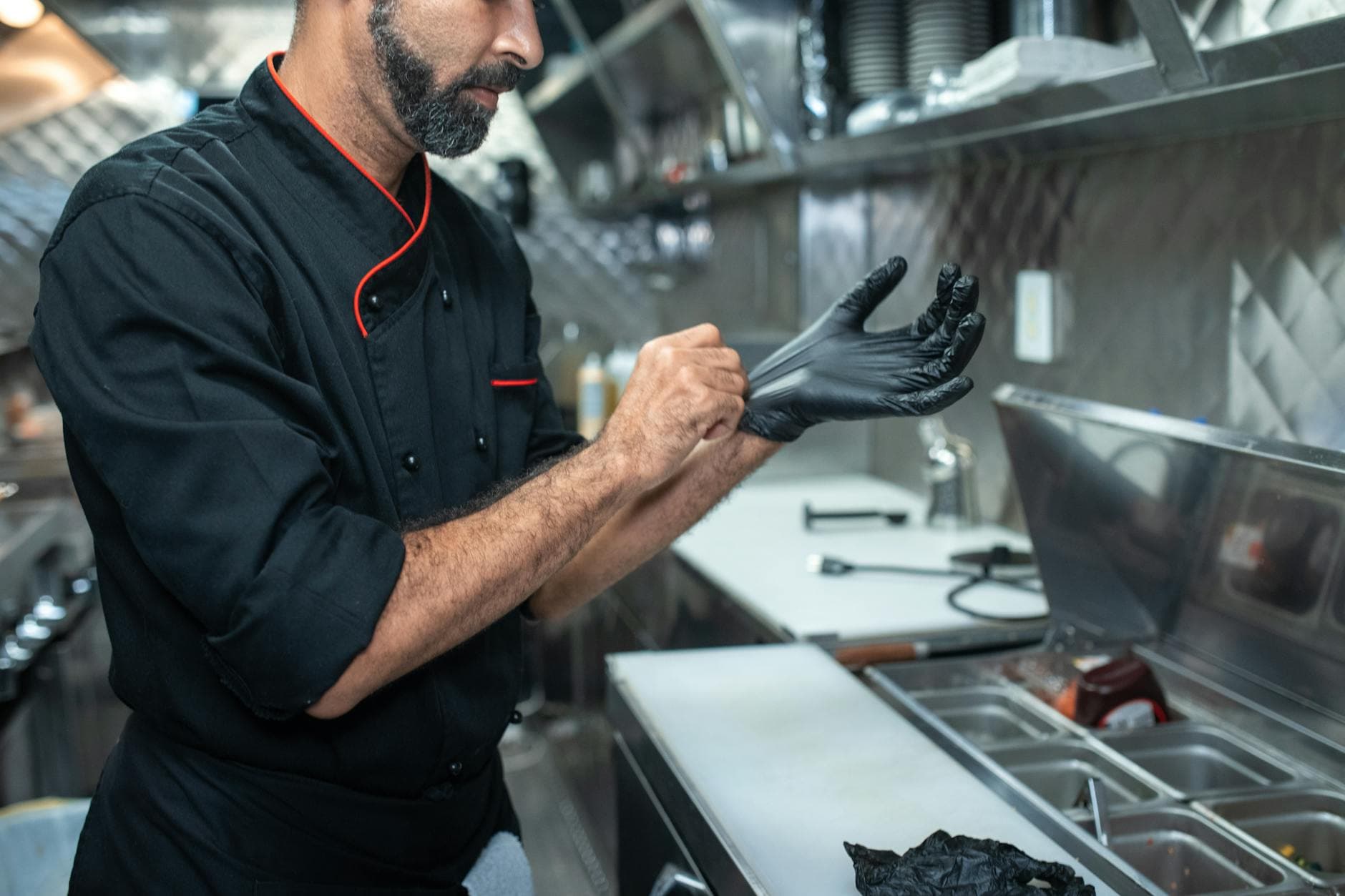
This is one of the easiest mistakes for crews to make because gloves feel protective. They are protective, but only when they are part of the process, not a substitute for it. CDC’s restaurant-worker guidance puts proper glove use in the same category as handwashing, thermometer use, and staying home when sick for a reason: gloves can carry contamination just as easily as bare hands if workers use them carelessly.
The rule of thumb is straightforward. Wash first, glove up second. Change gloves when they become dirty, damaged, or when the job changes from one task to another that could spread contamination. A glove on a dirty hand is not a shortcut, and a glove on a phone hand is still a problem.
That matters on a Taco Bell shift because workers move constantly between stations, packaging, cleaning, and serving. A team member who handles trash, then hops back to food assembly without washing and changing gloves, creates the exact chain the FDA handbook is trying to break.
When illness means stay home
CDC is blunt about the danger here: food workers who are vomiting or have diarrhea should not be working. That is not a suggestion, and it is not something a manager should “watch for later in the shift.” It is a stop-work issue because those symptoms are tied to the kind of outbreak that can shut down a restaurant’s normal routine fast.
Workers also need to understand what to tell a supervisor. If you are vomiting, have diarrhea, or feel sick enough that you might contaminate food or shared surfaces, the right move is to report it immediately and stay out of food handling until cleared under local policy. A good manager does not pressure a sick worker to push through a dinner rush. A smart manager treats that call-out as risk control.
For hourly workers, that can feel like a conflict between missing pay and missing a shift. But the bigger cost is worse: a sick shift can spread illness to coworkers, guests, and the next crew. In a business where labor is already tight, one preventable outbreak can hit schedules, morale, and customer trust at once.
Why managers need to train younger and less-experienced workers harder
CDC says managers should provide handwashing training, especially to younger workers, and should address barriers like sink inaccessibility, time pressure, and lack of training. That is a useful reminder for restaurant leaders who think food safety fails because people “just know better.” Often they do not, or they know the rule but the station setup makes the rule hard to follow.
The agency also says managers should improve food-prep steps so workers do not have to wash hands as often just to keep the process moving. That does not mean cutting corners. It means designing the shift so the clean path is the easy path. If a station layout, supply issue, or understaffed close makes handwashing feel optional, the store has created its own problem.
That is where supervision matters. Workers need clear direction, and supervisors need to make the rules consistent across shifts. The CDC also notes that support from managers and coworkers, food-safety education, and consequences for unsafe behavior all shape what workers actually do. In plain English: if the store treats hygiene like real work, the crew will too.
How the Food Code fits into Taco Bell operations
The FDA says its Food Code is its best advice for a uniform system of provisions for retail and food-service safety, and it provides state-by-state adoption resources so operators can see how local jurisdictions align with the model. That matters because Taco Bell is not running one kitchen in one state. It is operating under local health rules that may track the model code differently depending on where the store sits.
For managers, the takeaway is simple: the store has to know what its local health department expects on employee health, contamination prevention, and date marking, not just what the brand slide deck says. The FDA says it also supports regulators and industry with scientifically based guidance, training, program evaluation, and technical assistance, which is another way of saying the playbook is built to be used in real restaurants, not just in policy binders.
Taco Bell says it has partnered with suppliers, industry experts, regulatory groups, and competitors to improve food safety from farm to restaurant. That kind of language only matters if it reaches the shift floor. The real test is whether a crew member knows when to wash, when to change gloves, when to stop working sick, and when to tell a supervisor before a bad health call becomes a bigger problem.
At Taco Bell, hygiene is not separate from speed. It is what keeps speed from turning into a mess.
This article was produced by Prism’s automated news system from verified source data, official records, and press releases, then run through automated quality and moderation checks before publishing. The system is built and supervised by the people who set the standards it runs under. Read our full AI policy.
Did this article answer your question?