Taco Bell faces payroll changes as lawmakers propose $25 federal wage floor
A $25 federal wage floor would first hit the biggest Taco Bell operators, forcing new payroll and scheduling math long before any menu changes show up.

A federal wage reset to $25 an hour would show up first in Taco Bell’s labor budget, not on the order screen. For a system that is roughly 94% franchise-operated in the United States, with an estimated 80,906 workers and 9,030 restaurants worldwide at the end of 2025, the biggest pressure point would be how franchisees and corporate units split payroll, overtime, and staffing costs.
The Living Wage for All Act was introduced in Congress on April 29 by Delia Ramirez and Analilia Mejia, with support from Jesús “Chuy” García and Lateefah Simon and backing from labor, civil rights, and economic justice leaders. The proposal would raise the federal minimum wage to $25 an hour over time, taking large employers with at least 500 workers nationwide or $1 billion in annual revenue to the new floor by 2031, while smaller employers would get until 2038.
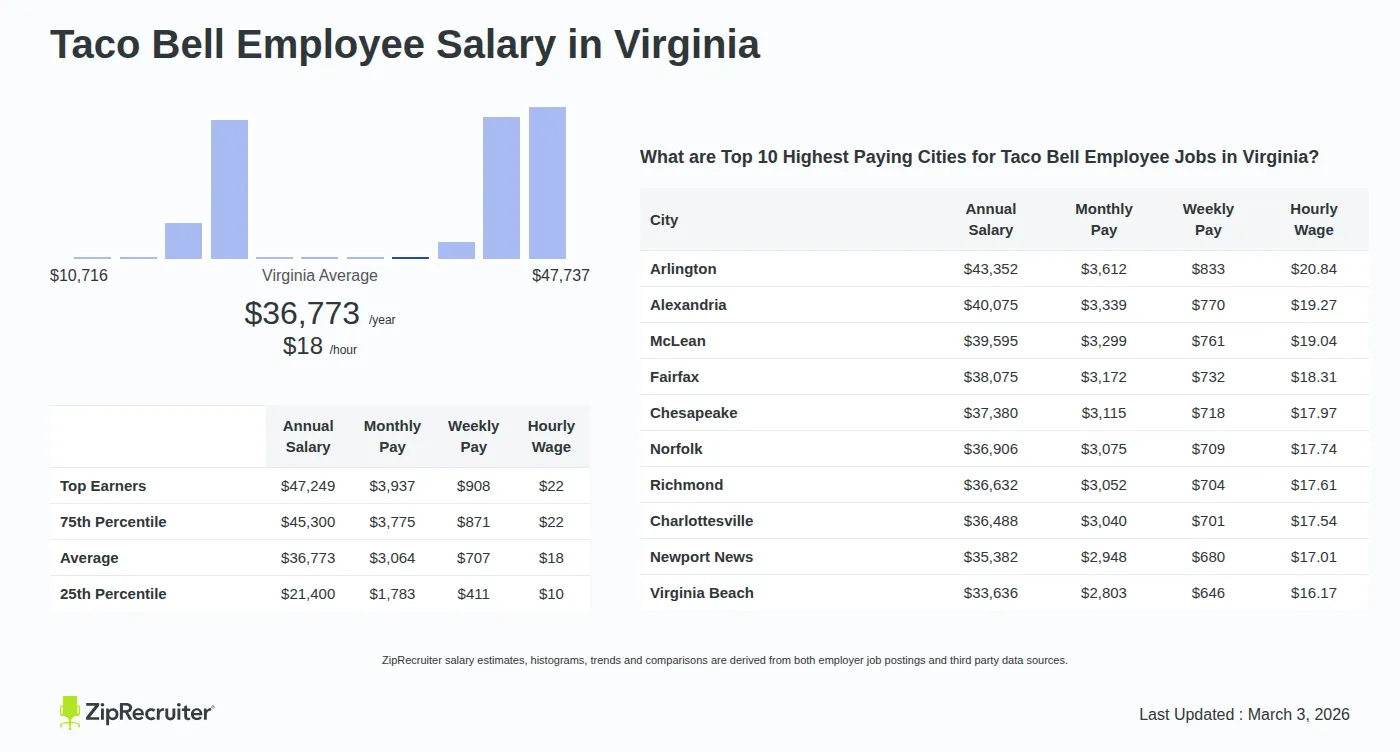
For Taco Bell workers, the first practical question is which employer sits on which side of that line. The biggest franchise groups and any large corporate employer would have to move faster, which means crew pay scales, shift coverage, and overtime planning would all need a reset sooner than smaller operators. Managers would be tracking whether labor costs force fewer hours per store, tighter scheduling, or more reliance on kiosks and menu simplification to hold margins steady.
The bill would also do more than lift the wage floor. It would eliminate subminimum wages, including the tipped cash wage that can be as low as $2.13 an hour under federal rules. That change would matter most across the broader restaurant industry, where tipped pay still shapes base wages and payroll systems. Taco Bell locations are not tip-driven in the same way as sit-down restaurants, but any rewrite of federal wage law usually spills into the wider fast-food labor market.
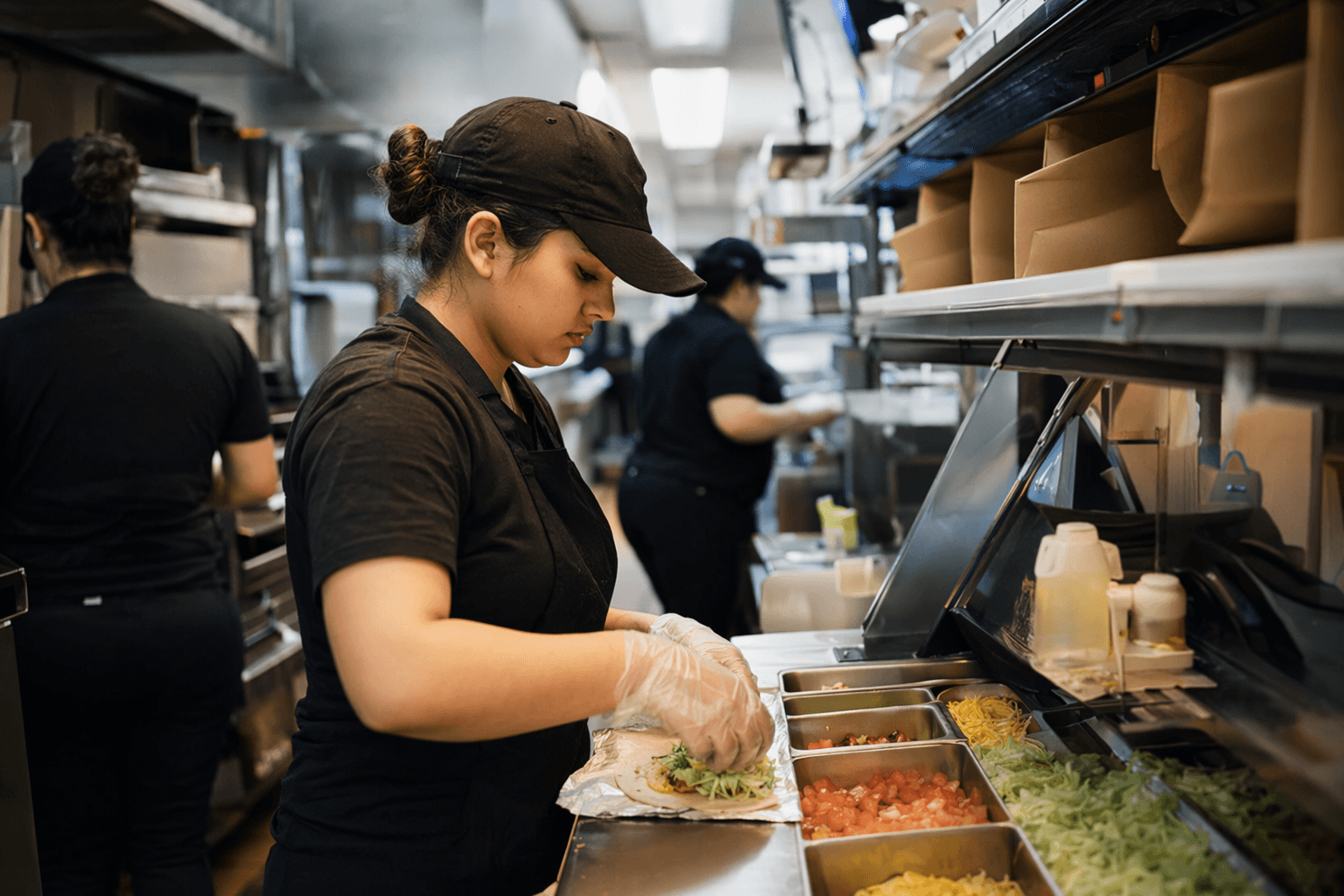
The proposal lands against a long-stalled federal standard. The federal minimum wage has been $7.25 an hour since July 24, 2009, and California already set a $20 minimum wage for fast-food workers beginning April 1, 2024, with the state’s Fast Food Council able to raise it annually by the lesser of 3.5% or CPI. That makes California a live example of what a higher floor can mean for a chain like Taco Bell: higher pay, tighter staffing math, and more pressure to raise prices or trim labor elsewhere.
If the federal debate keeps moving, Taco Bell’s most immediate watchpoints will be payroll bands, hiring targets, shift coverage, and how quickly costs flow from the register to the labor line.
This article was produced by Prism’s automated news system from verified source data, official records, and press releases, then run through automated quality and moderation checks before publishing. The system is built and supervised by the people who set the standards it runs under. Read our full AI policy.
Did this article answer your question?