How Taco Bell’s value and innovation keep stores moving fast
Taco Bell’s sales machine depends on speed at the store level, where new promos, digital orders, and menu churn turn growth into daily pressure.
Taco Bell now has 9,000-plus restaurants across 35-plus countries and territories, and the chain’s recent sales run depends on stores absorbing constant change: value offers, digital demand, menu launches, and limited-time items all hit the line at once. That growth raises the bar for crew speed, shift planning, and manager execution.
The growth story starts with scale
Taco Bell calls itself “the largest Mexican-inspired concept in the world.” In its 2025 year-end earnings materials, Taco Bell put total system sales at $18,361,000,000. Every test, bundle, and menu refresh has to work across a huge network of restaurants and training systems.
The parent company adds another layer of pressure. Yum! Brands operates more than 61,000 restaurants in over 155 countries and territories through approximately 1,500 franchisees. Its 2024 annual report says Yum’s system restaurants generated $33 billion in digital sales in 2024, representing over 50% of overall system sales. Taco Bell’s digital habits are part of a much larger corporate engine, not a side project, and those habits shape what happens at the counter, the drive-thru, and the prep table.
Why innovation changes the job on the floor
Taco Bell has built its edge on more than one signature item. In QSR’s August 2024 annual issue, the brand was called a concept that “knows how to dominate the cultural conversation,” and that is exactly where the operational tension starts. Staying culturally visible usually means new food, new bundles, and new behaviors for guests, which means more retraining and more moving parts for stores.
That dynamic showed up again at Live Más Live on March 4, 2025, when Taco Bell unveiled new menus, products, and experiences. The company also said it planned to bring back Crispy Chicken Nuggets in 2025. For crew members, that kind of pipeline means learning new build procedures and handling more limited-time offers. For shift managers, it means reworking prep counts, product placement, and labor schedules when a promotion lands and traffic patterns change.
What faster value means for crews
Value strategy is often sold as a customer story, but on the floor it becomes a speed story. When Taco Bell leans into promotions and bundling, crew members have to keep up with more menu combinations while still moving guests through drive-thru and front counter service. That can be a plus when the work is varied and training opens up new skills, but it also makes the job less predictable than at a chain with a steadier menu.
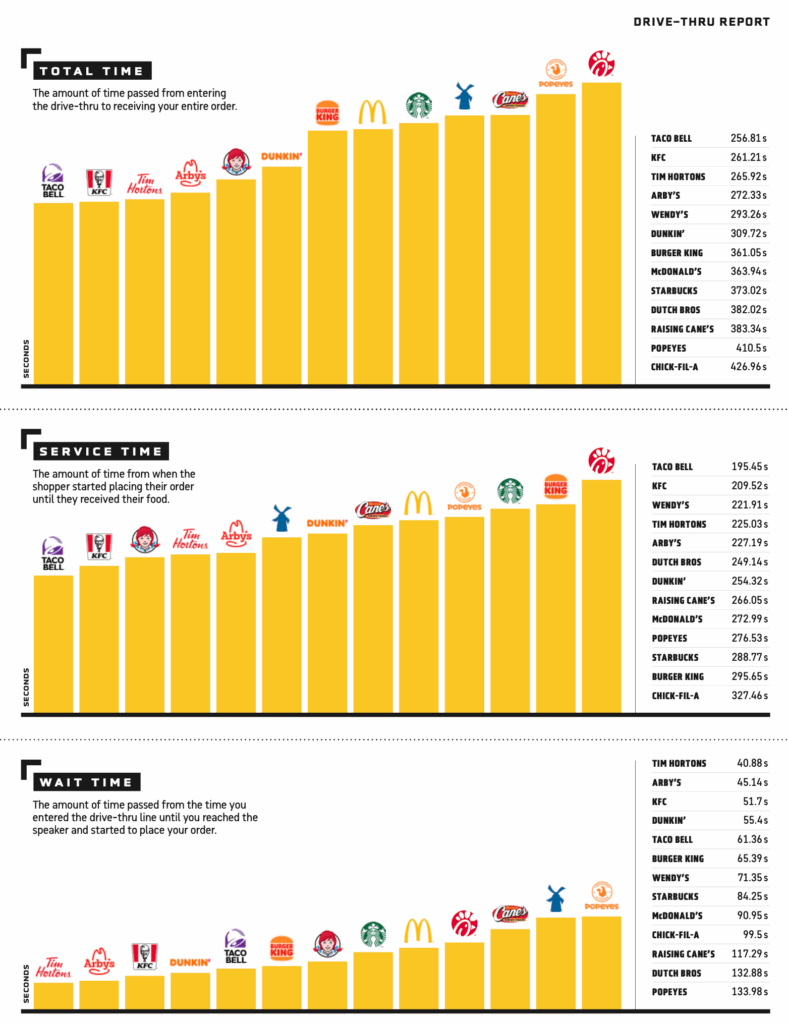
The digital piece matters just as much. When more than half of Yum’s system sales come through digital channels, restaurants have to manage order flow from apps, kiosks, and other off-premise channels while still serving in-person customers. That pushes teams to watch for bottlenecks, keep make-lines organized, and avoid the kind of slowdown that turns a value promise into a long wait.
Managers carry the burden of the brand promise
For restaurant managers, Taco Bell’s growth model creates a different kind of workload than a simpler, lower-churn menu. Every limited-time item adds pressure on inventory, labor deployment, and food safety routines. Every new bundle changes the rhythm of the line. Every digital spike can expose whether staffing, prep, and equipment are actually aligned with the traffic the brand is trying to generate.
Taco Bell’s franchise structure shapes how that pressure lands. Because Yum’s network is built around approximately 1,500 franchisees, the cost and complexity of testing new ideas lands differently from store to store. A corporate win on paper can mean tighter labor plans, more coaching, and more schedule juggling in the restaurant.
The strategy is old, but the pressure is modern
Taco Bell’s obsession with innovation is not a recent marketing twist. Glen Bell founded the chain in 1962 and served as founder and chairman until 2010. The first Taco Bell opened in Downey, California, in 1962, and the brand’s own history language says it has had “innovation on our mind” since the early years.
The business results suggest the formula is still working. On February 6, 2025, Yum reported that Taco Bell’s fourth-quarter same-store sales grew 5%, and strong Taco Bell performance helped Yum beat earnings expectations. Taco Bell’s U.S. same-store sales grew 8% in Q1.
This article was produced by Prism’s automated news system from verified source data, official records, and press releases, then run through automated quality and moderation checks before publishing. The system is built and supervised by the people who set the standards it runs under. Read our full AI policy.
Did this article answer your question?