Labor Department seeks new joint-employer rule for Taco Bell workers
The Labor Department's new joint-employer rule could decide whether Taco Bell workers can hold only a franchisee, or also brand-level power, liable for wages and schedules.
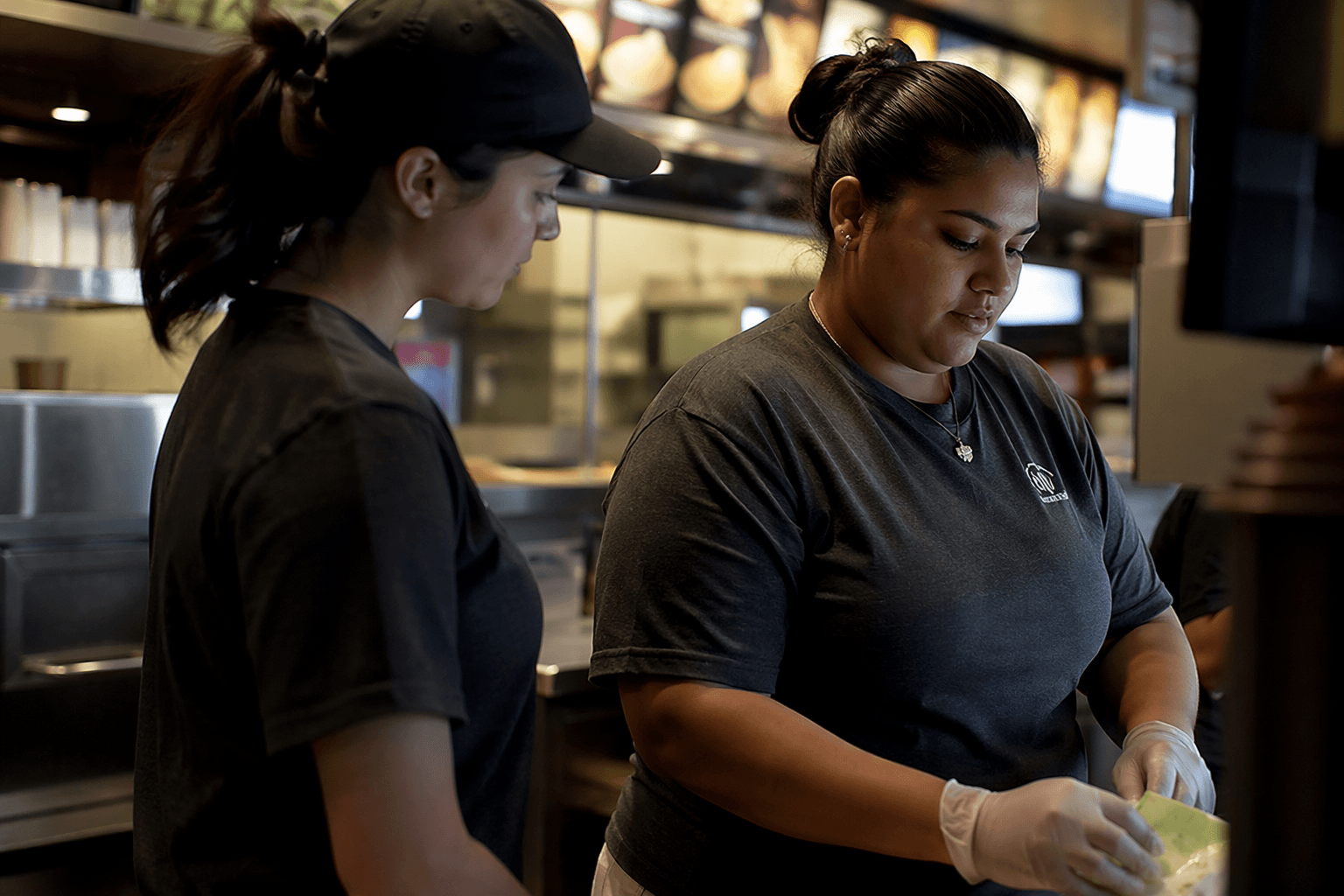
For Taco Bell crews, the Labor Department’s joint-employer push comes down to one practical question: when pay, scheduling, leave, or records go wrong, does responsibility stop with the franchisee in the store, or reach the brand-level power behind the job? The department announced the proposal on April 22, 2026, and comments are due June 22, 2026.
The plan would create a single nationwide standard under the Fair Labor Standards Act, the Family and Medical Leave Act, and the Migrant and Seasonal Agricultural Worker Protection Act. The department says the rule is meant to fill the gap left by the absence of updated regulatory guidance since 2021. Its Q&A materials say the key questions are whether a business hires or fires workers, supervises schedules or other conditions of employment, determines pay, or keeps employment records. The department also says the rule would address both vertical and horizontal joint employment, a distinction that matters when more than one entity shapes the same worker’s day.
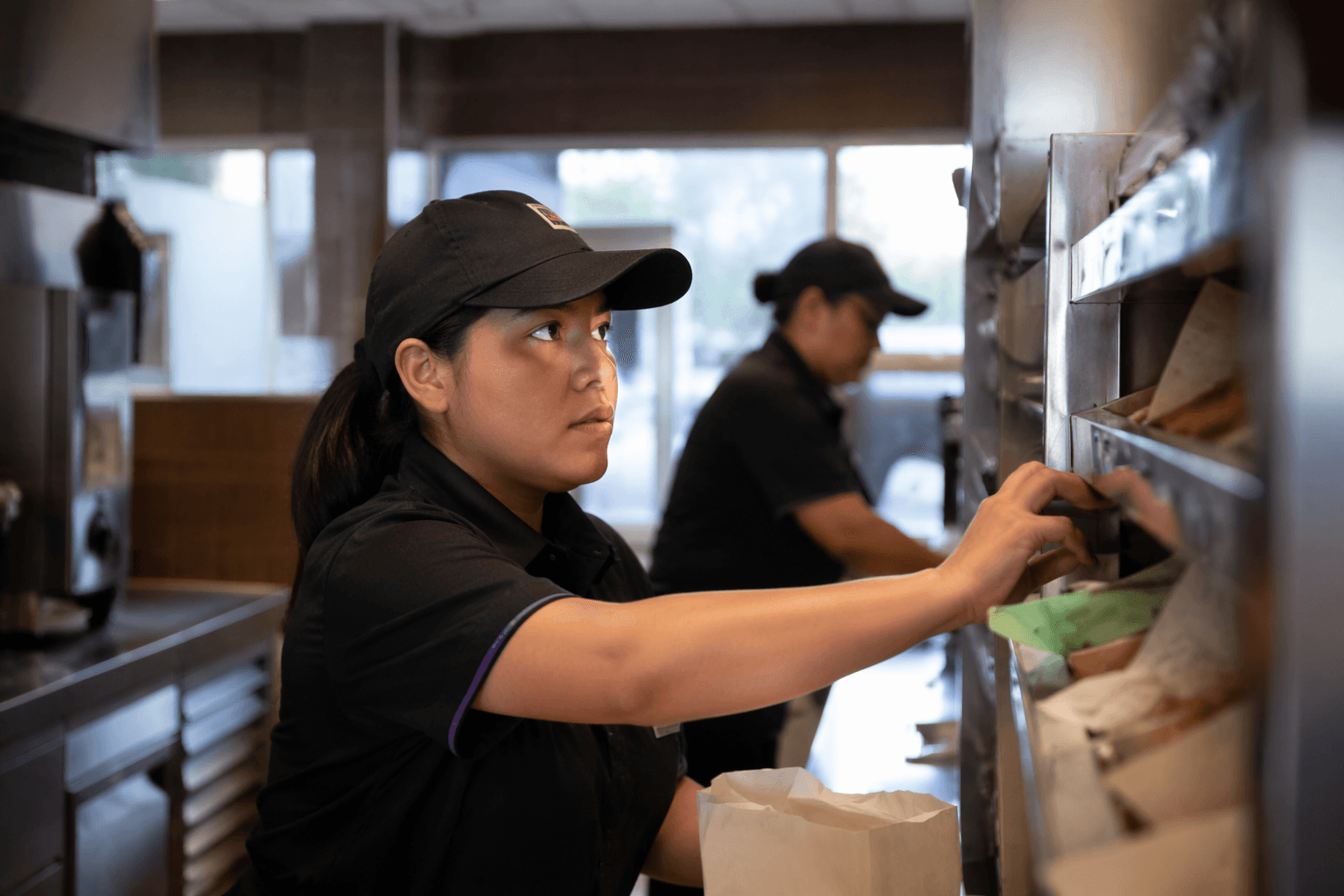
If joint employment exists, the department says, those employers can be jointly and severally liable for wages, damages, and other relief owed, including overtime for all hours worked for all joint employers. That is the part Taco Bell workers feel first. If a shift is cut, a time card is short, a leave request is denied, or training and discipline come through layers of management, the question is not just who signed the franchise agreement. It is who actually controlled the job.
The issue lands hard at Taco Bell because the brand sits between a powerful corporate system and a large franchise base. Yum! Brands said Taco Bell delivered 7% same-store sales growth in 2025, and the chain’s U.S. system is heavily franchised. Taco Bell began in 1962, and the first franchise was sold in 1964. That structure can make a restaurant feel like two employers at once: the local operator handing out schedules and the brand setting systems, standards, and expectations.
Workers have already seen how wage and scheduling disputes can reach beyond the store. In July 2022, the Labor Department said it recovered $56,900 for 31 assistant general managers at six Taco Bell franchise locations in North Carolina after overtime rules were misapplied. In 2024, the New York City Department of Consumer and Worker Protection said Taco Bell franchisee GF Enterprise III would pay more than $819,000 in restitution to 888 workers for Fair Workweek and paid leave violations at 10 locations. In March 2026, a Taco Bell and Dunkin’ franchisee agreed to pay more than $1.5 million to settle claims that managers at two dozen restaurants violated New York City scheduling rules.
The federal wage floor is still generally $7.25 an hour, effective July 24, 2009, a reminder that pay fights in fast food often turn on enforcement, not just promises. For Taco Bell workers, the new rule is about whether accountability stays boxed in at the franchisee level or follows the real chain of control.
This article was produced by Prism’s automated news system from verified source data, official records, and press releases, then run through automated quality and moderation checks before publishing. The system is built and supervised by the people who set the standards it runs under. Read our full AI policy.
Know something we missed? Have a correction or additional information?
Submit a Tip