Target Field concession workers plan strike amid contract standoff
A June 22 strike deadline at Target Field showed how fast understaffed food service can turn into a public pressure campaign. For Taco Bell crews, it was a warning on skeleton staffing.

When 500 food and beverage workers at Target Field said they were ready to strike, they turned a contract fight into a test of how much strain a game-day operation can absorb. The one-day walkout was set for June 22, when the Minnesota Twins were scheduled to play the Los Angeles Dodgers, after negotiations with Delaware North stalled when the prior contract expired on January 31.
About 81% of the stadium’s roughly 500 unionized workers, represented by Unite Here Local 17, voted to authorize the strike. The workers were seeking higher wages, employer-provided health insurance and stronger job protections, and some said they were still making minimum wage without health coverage because the jobs are seasonal. Delaware North’s only wage concession so far was a 50-cent increase offered to only a small subset of workers.
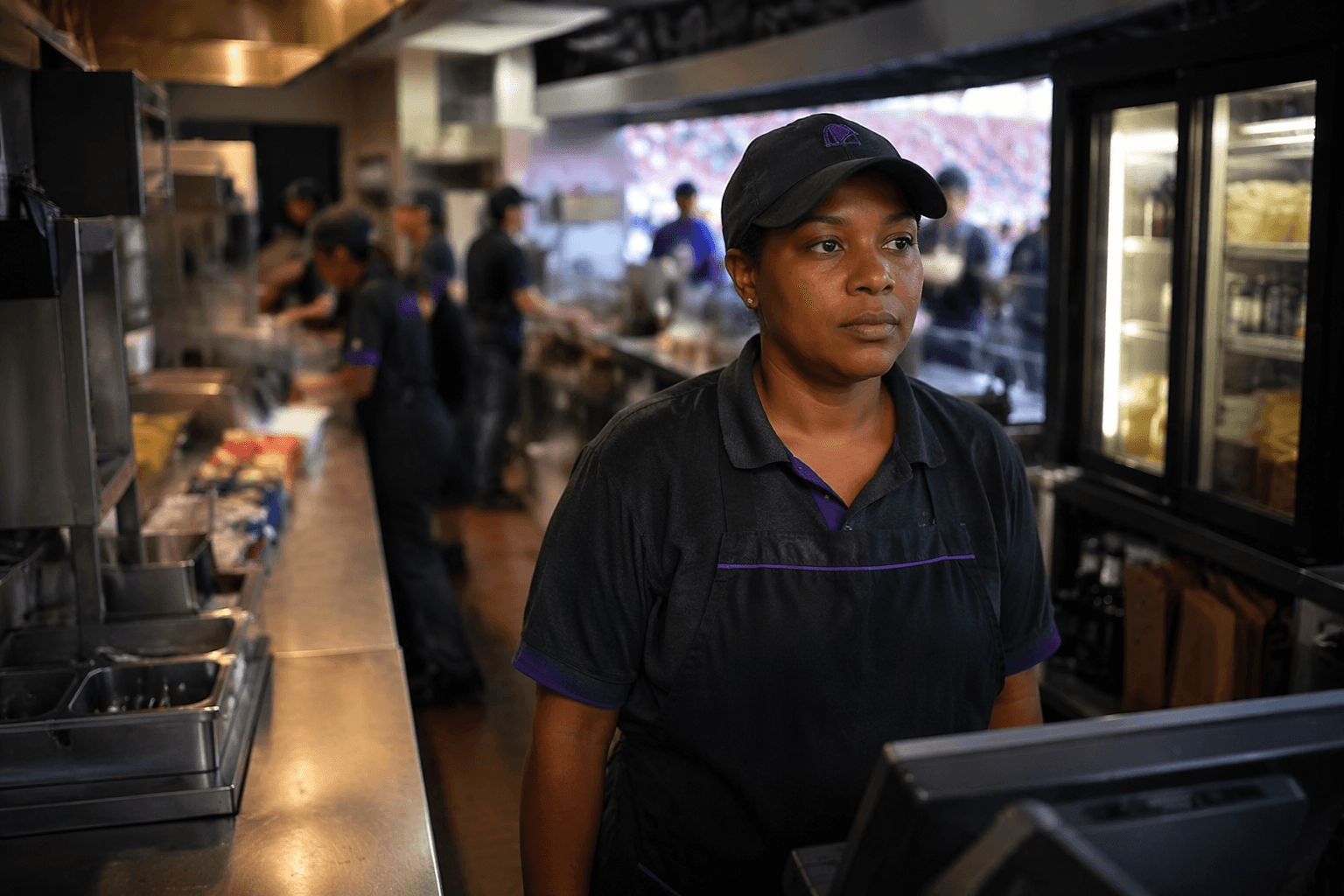
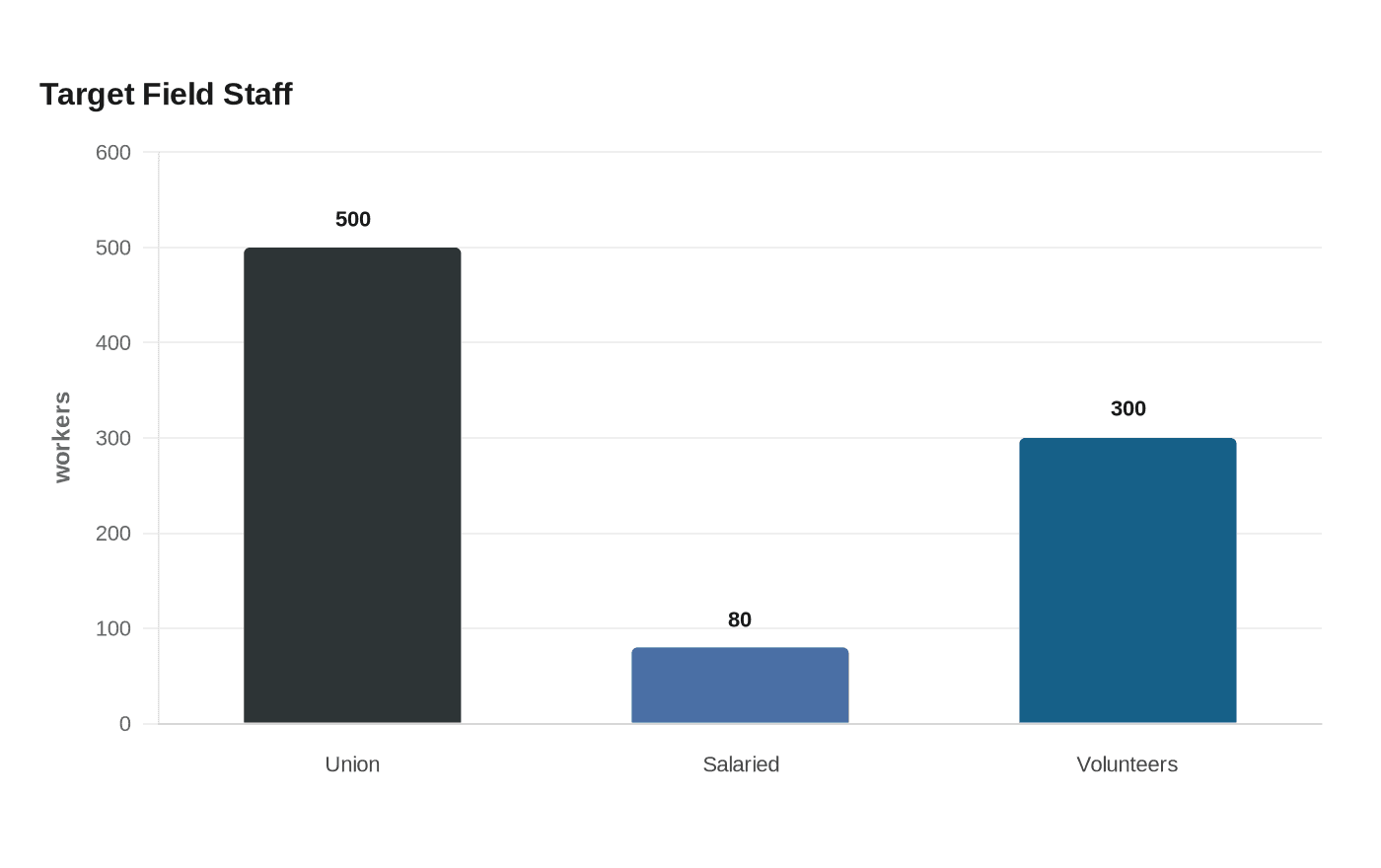
The planned walkout would have been the first strike by cooks, bartenders, suite attendants, dishwashers and other concessions staff at a major league stadium in Minnesota. The concessions operation at Target Field includes about 500 union workers, about 80 salaried or supervisory employees outside the union, and another 300 nonprofit volunteers who also work concession stands. The union’s decision to tie the strike to a high-profile Dodgers game was no accident: at a 39,504-seat ballpark in downtown Minneapolis, a labor dispute can move from the back-of-house to the fan experience in a matter of hours.
That is the part Taco Bell workers should watch. The same pressures show up whenever a restaurant depends on a thin crew to cover a lunch rush, a late-night surge or a last-minute callout. When staffing is stretched that far, one missing shift can slow the line, raise the risk of mistakes and put more heat on the people left to carry the load.
The dispute also landed as Delaware North and the Twins were promoting new food and beverage offerings for the 2026 season. That contrast, between polished guest-facing upgrades and workers saying they could not cover rent on current pay, is familiar across food service. Target Field opened on April 12, 2010, and Delaware North has run its concessions, premium dining and retail there since then. This fight showed what happens when a company assumes seasonal labor and game-day traffic will absorb every gap in the schedule.
This article was produced by Prism’s automated news system from verified source data, official records, and press releases, then run through automated quality and moderation checks before publishing. The system is built and supervised by the people who set the standards it runs under. Read our full AI policy.
Know something we missed? Have a correction or additional information?
Submit a Tip