Little Caesars drone delivery expands, signaling bigger labor-saving bets for Taco Bell
Little Caesars’ Sky2 drone can drop two large pizzas in about 4.5 minutes from a Wylie, Texas store. For Taco Bell, the real signal is how off-premise labor keeps shifting inside the restaurant.
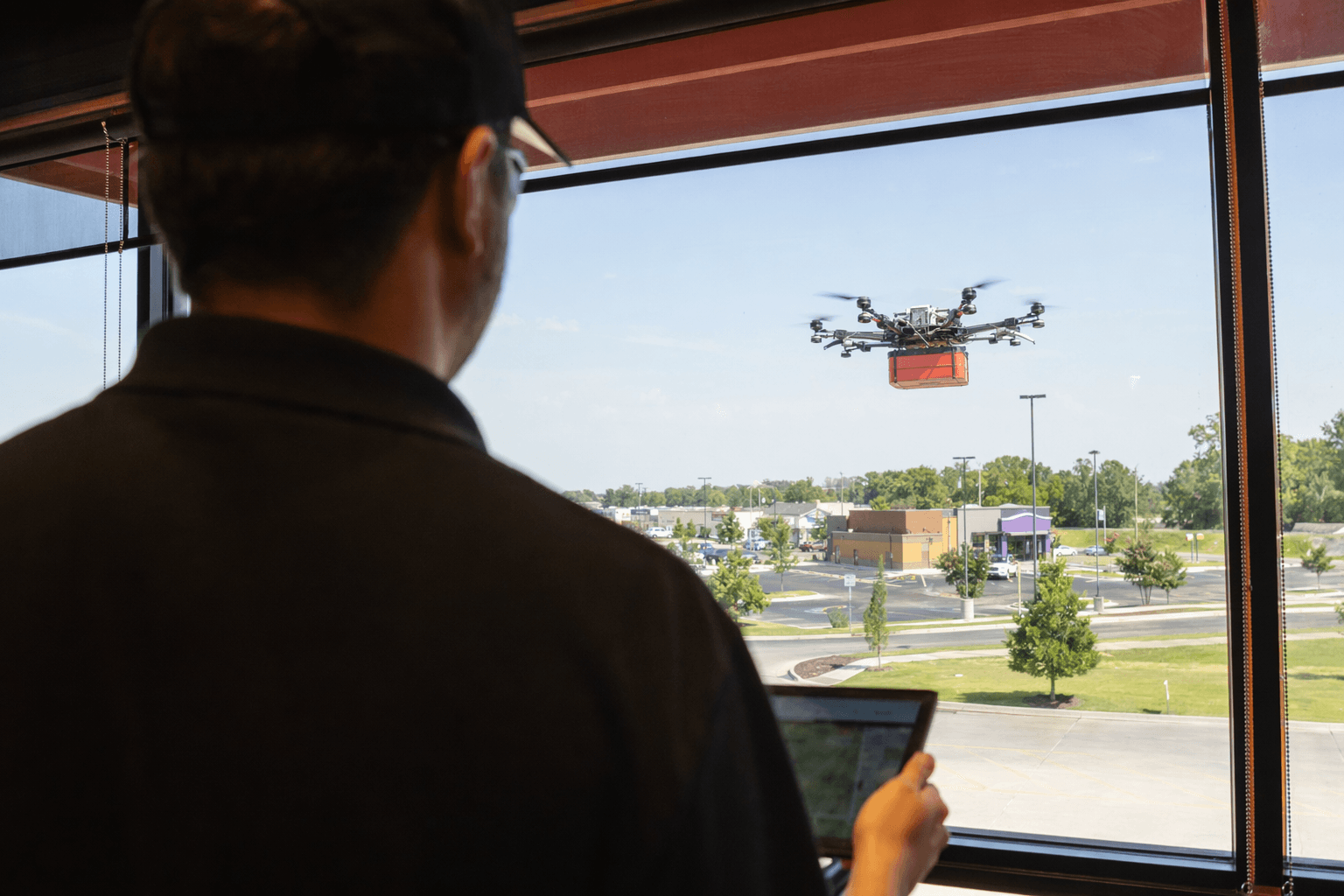
Little Caesars is now sending out dinner by drone, and the part that should catch Taco Bell managers’ attention is not the novelty. The Sky2 aircraft can carry up to 8.8 pounds, enough for two large pizzas, and the first live rollout is already running from a Wylie, Texas store with orders flowing directly from the Flytrex app into Little Caesars’ point-of-sale system. Trade coverage says the delivery radius reaches four miles and the trip from takeoff to the door averages about 4.5 minutes.
That is not just a stunt for social media. It is an attempt to solve the higher-weight, higher-volume delivery problem that has dogged restaurant operators for years. Restaurant brands have spent the last decade trying to make off-premise service faster without piling more pressure on the people assembling bags, checking orders, and managing the handoff point. A drone that can move family-size orders shows where the sector is still headed: fewer bottlenecks outside the store, but more precision demanded inside it.
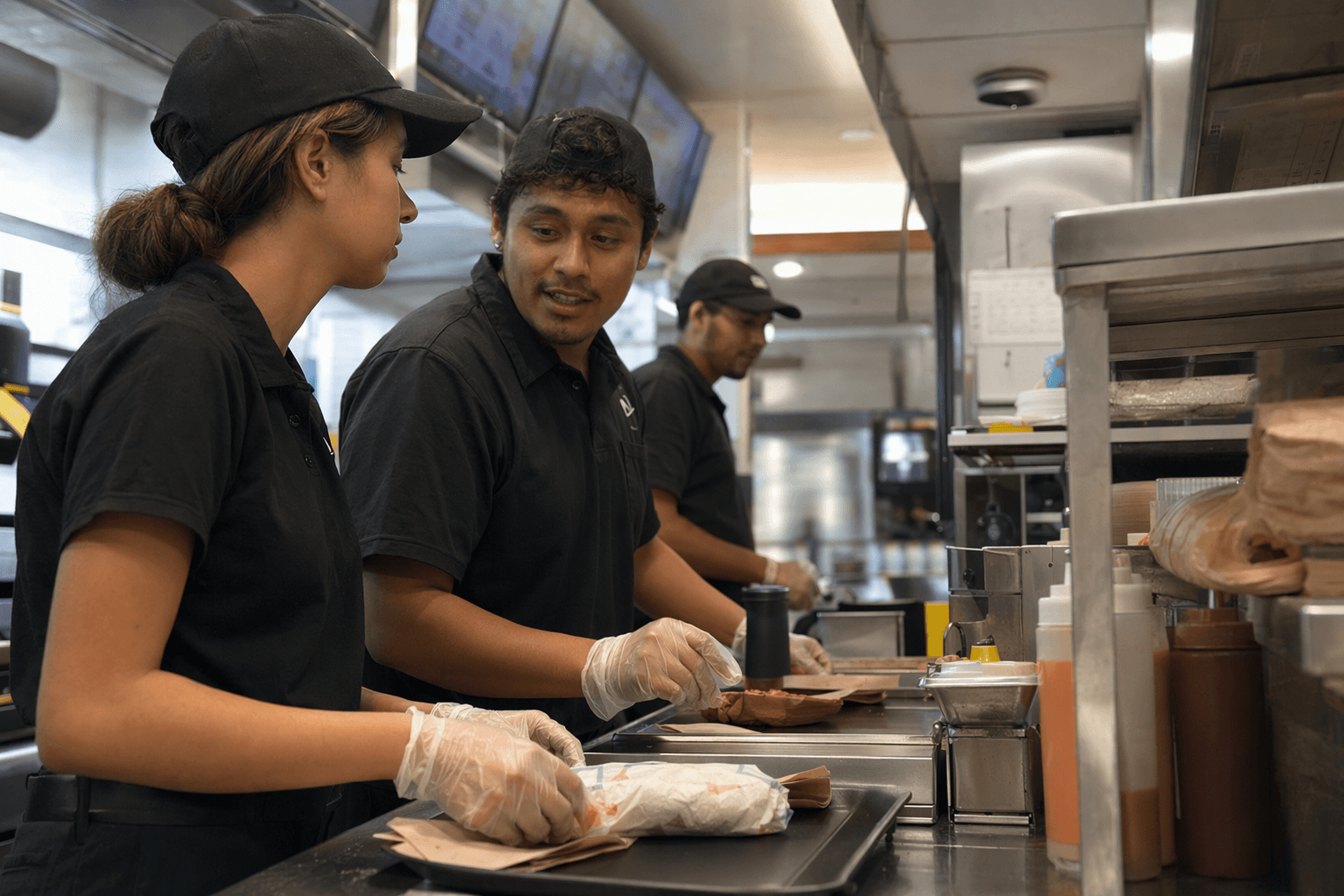
For Taco Bell, the lesson lands in the kitchen and at the expo window. The chain has already built around digital demand with Go Mobile, announced in August 2020, then Defy in 2021 with its dedicated mobile pickup lane, and a newer Go Mobile design that opened in El Paso, Texas, in March 2023. Taco Bell also said in 2024 that it would roll out AI drive-thru ordering in hundreds of U.S. locations by the end of that year. The pattern is hard to miss: every new fulfillment channel pushes more of the work into narrower spaces, where one late bag or wrong sticker can throw off the whole line.
That is why drone delivery matters to Taco Bell even if the brand never puts a Taco Supreme in the air. If competitors keep automating the last mile, the labor does not disappear. It shifts. Delivery innovation can mean fewer couriers waiting at the counter, but it can also mean tighter assembly deadlines, more pressure on accuracy, and a heavier load on the crew member who has to fix the mistake when a digital order is short a drink or missing a side. Managers will still need staff who can keep front-counter guests, drive-thru cars, and app orders from colliding during peak periods.
The larger labor story is that restaurant chains are still looking for ways to buy speed without adding headcount. Industry research has long warned that drones face regulation, routing, and payload limits, which is why the Little Caesars-Flytrex move stands out: it is aimed at real orders, not just a demo box. For Taco Bell workers, that is the more important signal. The future of delivery may not replace restaurant labor, but it is making the people left inside the store more central to whether the whole system works.
Know something we missed? Have a correction or additional information?
Submit a Tip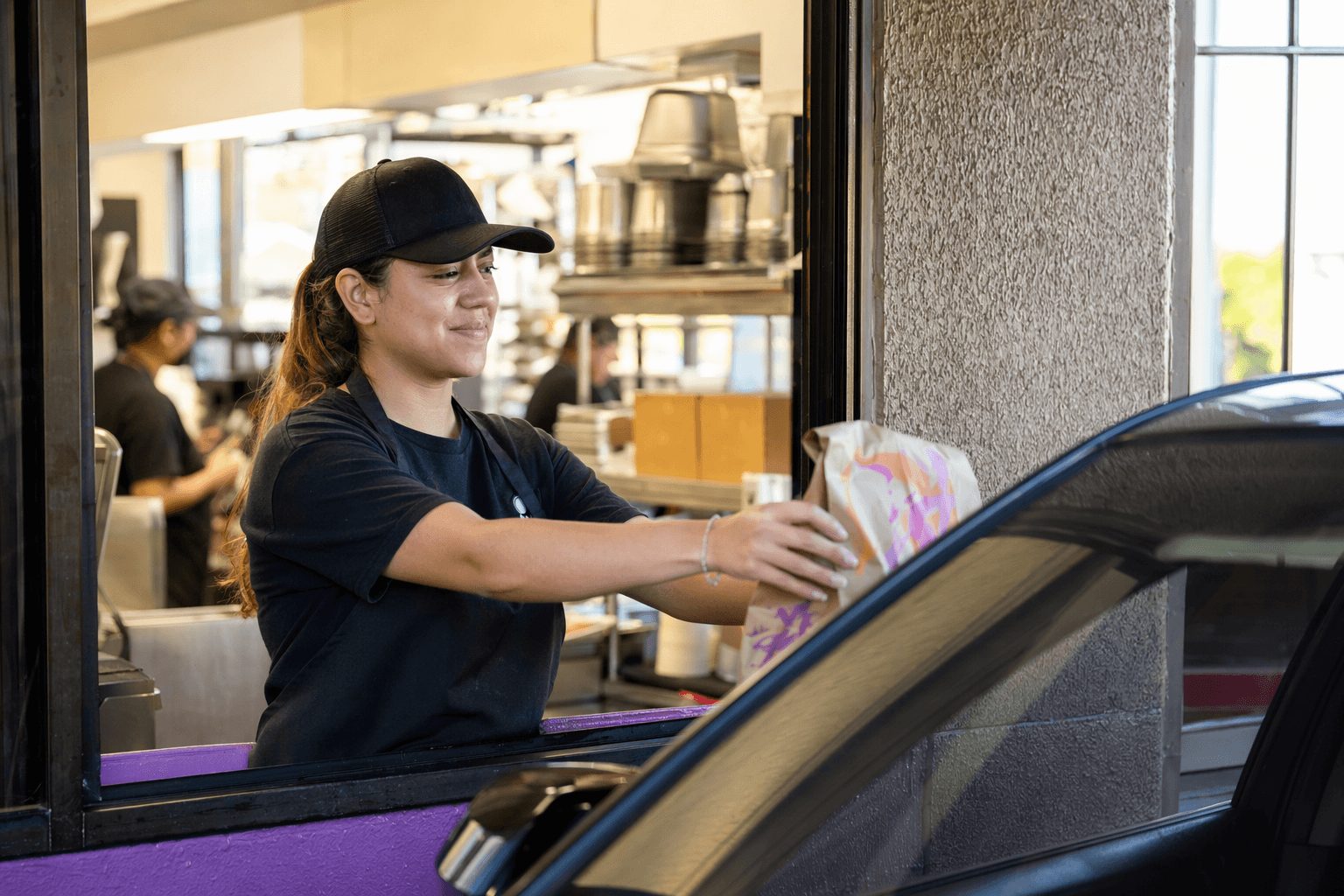
.png&w=1920&q=75)