NLRB says Taco Bell workers can discuss wages, organize together
Taco Bell crew can talk pay, hours, and safety with coworkers, and federal law bars managers from banning wage discussions or punishing protected organizing.
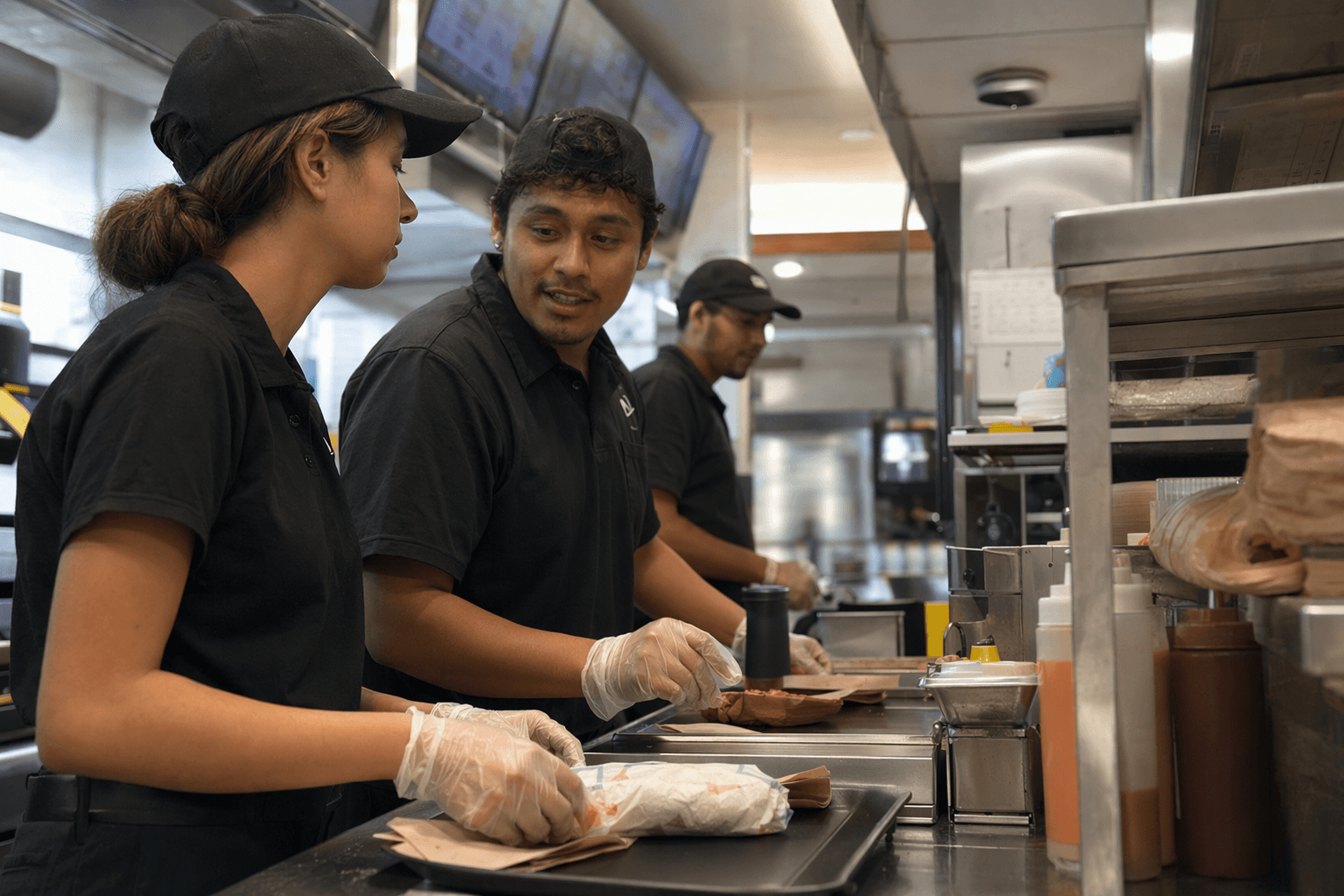
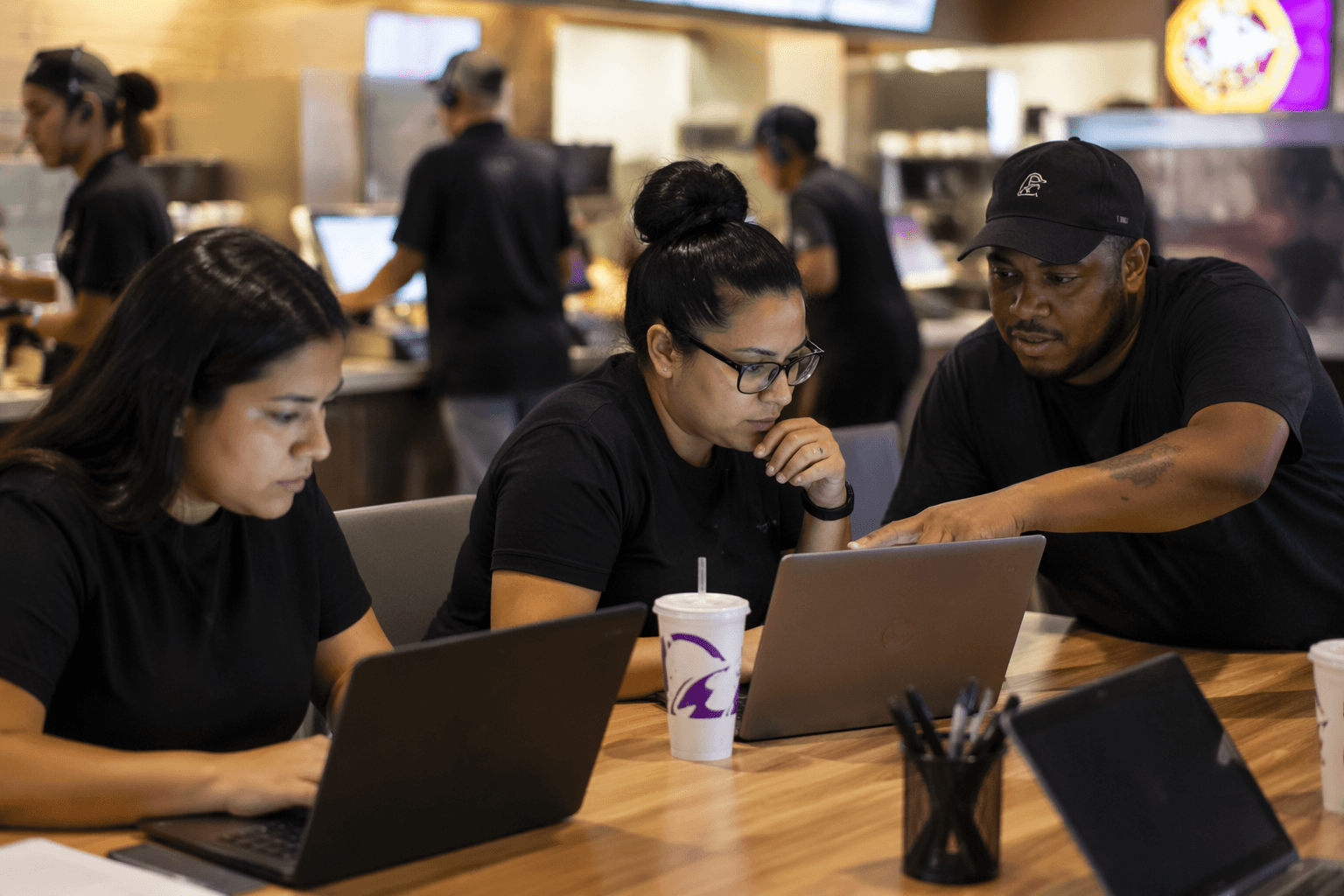
At Taco Bell, the most ordinary conversation on a shift can be protected law: asking a coworker what they make, comparing schedules, or talking through a safety complaint in a group chat. The National Labor Relations Board says private-sector employees have the right to join together, with or without a union, to improve wages and working conditions, and employers may not interfere with, restrain, or coerce workers who use those rights.
That matters on the floor, in the break room, and after clock-out. The board says workers covered by the National Labor Relations Act can discuss wages with coworkers, labor organizations, worker centers, the media, and the public. A policy that specifically bans wage discussion is unlawful. The same protection covers concerted activity, including talking with coworkers about wages, benefits, hours, and other working conditions, circulating petitions for better hours, refusing unsafe work, and speaking to an employer, agency, or the media about workplace problems.
For Taco Bell crew members, that means pay talk is not gossip the boss can shut down just because it is uncomfortable. For shift managers and restaurant managers, it means a warning, a write-up, or a policy that chills wage discussion can cross the line fast. A supervisor can run the shift and assign work; the supervisor cannot use that authority to silence lawful discussion about pay, safety, or hours, or threaten retaliation for organizing with coworkers.
The legal backdrop is the National Labor Relations Act, passed by Congress in 1935 to encourage collective bargaining and protect freedom of association. When a store brushes off those rights, the NLRB says the conduct can become an unfair labor practice under Section 8(a)(1). That is not just a union issue. It reaches the basic questions Taco Bell workers raise every day: why hours changed, why pay lags, why the kitchen is too hot, and who gets heard.
California has made those questions even louder. In February 2024, workers and organizers launched the California Fast Food Workers Union in Los Angeles with Service Employees International Union backing, calling it the first statewide fast-food workers union. The state’s fast-food minimum wage rose to $20 an hour in 2024 for chains with at least 60 locations nationwide, and the Fast Food Council was created to set industry standards.
Taco Bell workers have already used those rights in public. In San José, workers walked out in June 2024 over unsafe heat and alleged cuts to hours. In El Dorado Hills, workers struck in February 2026 over alleged racist harassment, physical abuse, retaliation, and food-safety concerns, with a complaint filed to California Occupational Safety and Health Administration. Taco Bell also sits inside a longer labor history: after a four-year campaign that began in 2001, Yum Brands agreed to pay one cent more per pound of tomatoes in a boycott tied to the Coalition of Immokalee Workers.
For Taco Bell workers, the rule is simple. Talk about pay. Compare schedules. Push for safer conditions. The law protects that conversation long before it becomes a union drive.
This article was produced by Prism’s automated news system from verified source data, official records, and press releases, then run through automated quality and moderation checks before publishing. The system is built and supervised by the people who set the standards it runs under. Read our full AI policy.
Did this article answer your question?