Taco Bell crews face new demands as loyalty, kiosks drive sales growth
Loyalty members are spending more, kiosk orders are climbing 35% a year and Taco Bell crews are being asked to troubleshoot, not just ring up food.
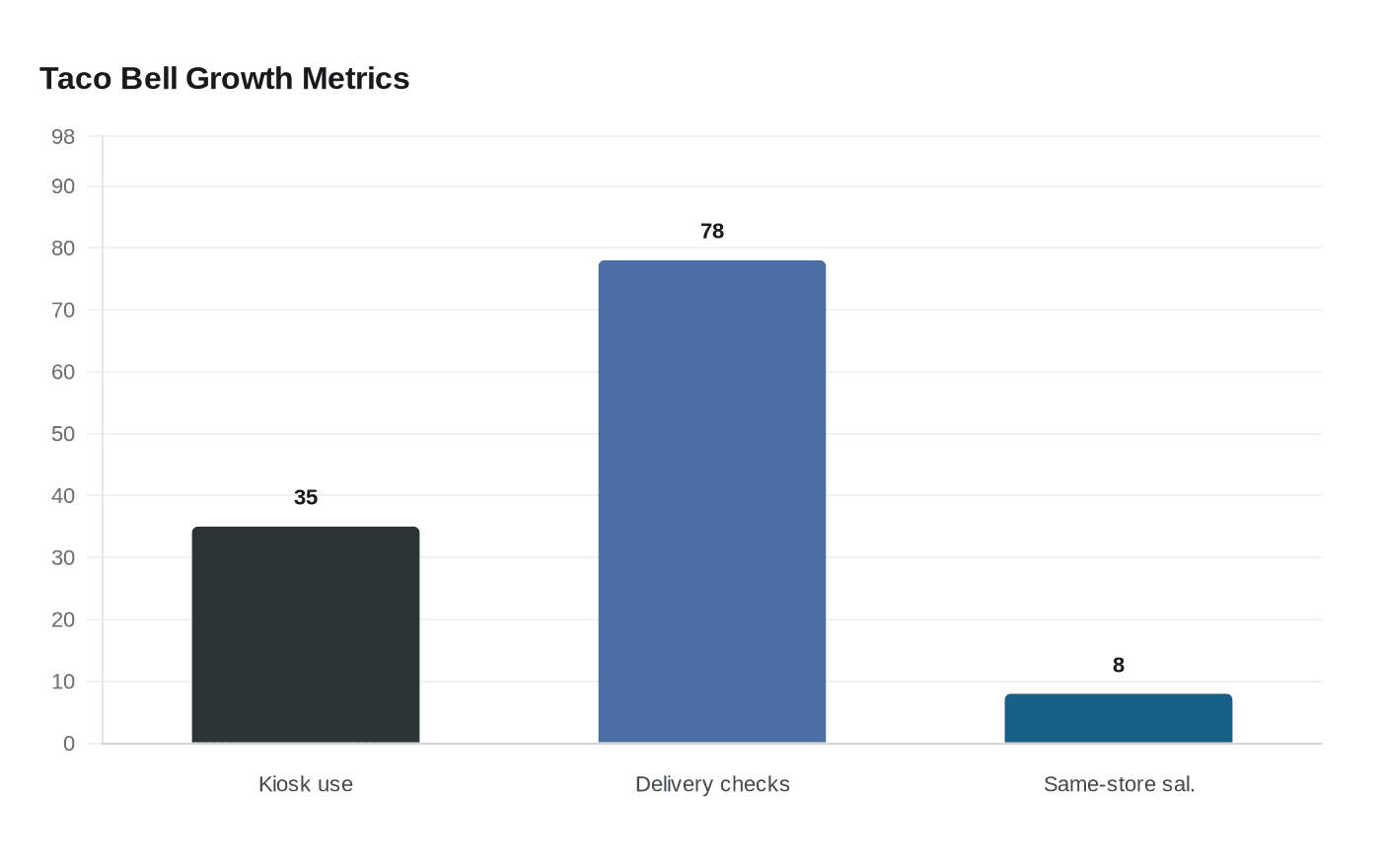
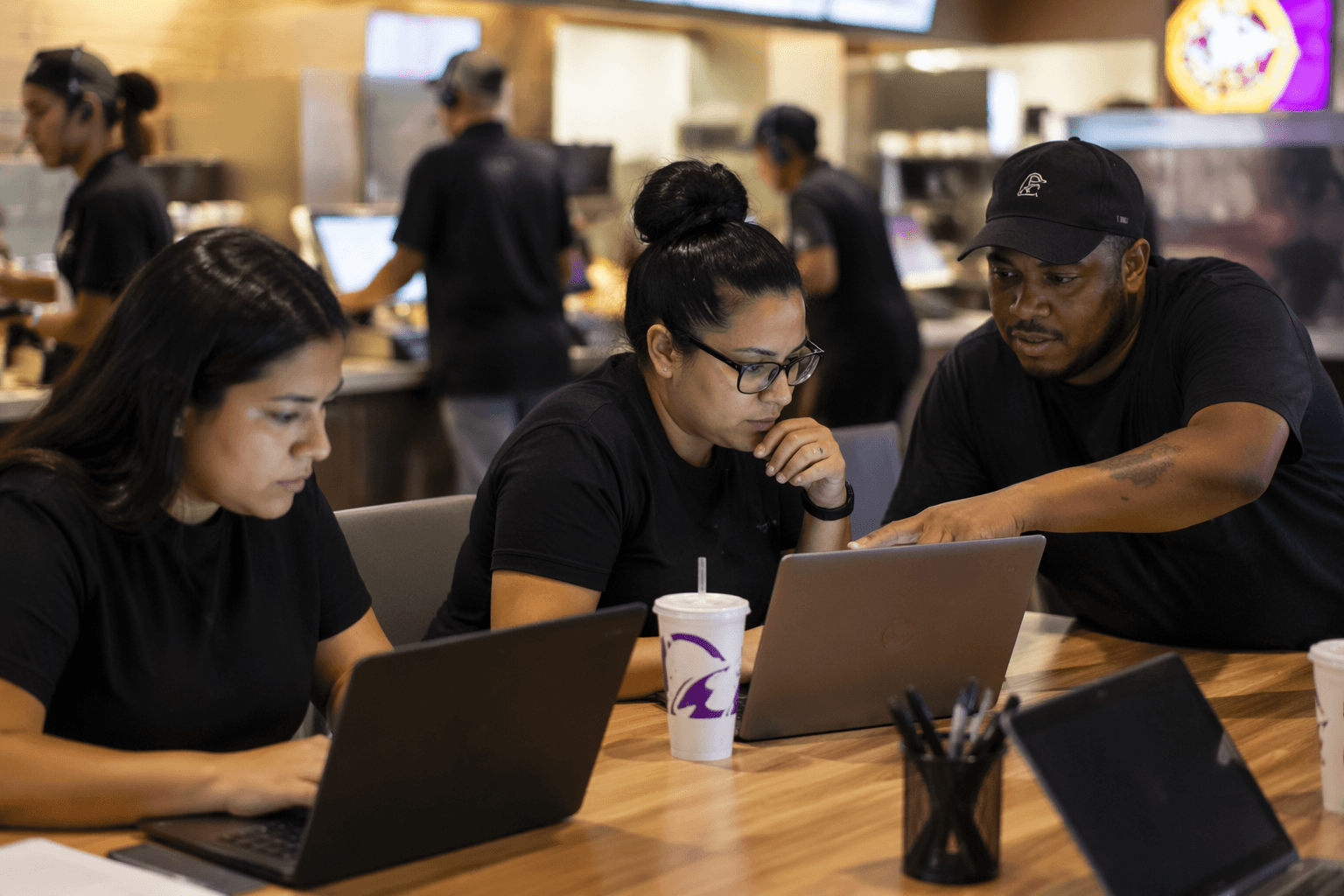
PAR Technology’s 2026 QSR Operational Index put hard numbers behind what Taco Bell crews already feel on the floor: loyalty members outspend anonymous guests, kiosk usage is growing 35% year over year, and delivery can push checks as much as 78% higher. Built on proprietary data from more than 30,000 U.S. restaurants, the report points to a fast-food operation where the front counter is no longer the only place sales happen. For Taco Bell workers, that means more time helping guests navigate screens, fixing order problems and keeping the line moving when a meal starts on an app and ends at the window.
At Taco Bell, that shift is already built into the rewards structure. Members can earn points in the app, kiosk or drive-thru, redeem a free reward at 250 points and reach Fire! Tier status at 2,000 points. Taco Bell says it was the first quick-service chain to launch a mobile app in U.S. restaurants for both drive-thru and dine-in orders, which helps explain why crew jobs are changing in real time. A cashier’s shift now often includes more than taking orders. It can mean explaining a kiosk, checking a mobile pickup ticket, or handling a guest who expects a faster make-right when a digital order is incomplete.
Yum! Brands has pushed that model even deeper into the business. In July 2024, the company said it would expand Voice AI to hundreds of Taco Bell U.S. drive-thru locations by the end of that year. Yum! also said Taco Bell’s digital sales approached $30 billion in 2023 and topped 50% of sales by the first quarter of 2024. QSR Magazine reported in 2024 that about one-third of Taco Bell sales were flowing through digital channels, while the brand was aiming for 250 million active loyalty users and $45 billion in annual systemwide sales by 2027 through loyalty members. The message for managers is clear: the stores that perform best will be the ones that can coach both hospitality and technology use.
Taco Bell projected 8% U.S. same-store sales growth in the first quarter of 2025 after a strong 2024, underscoring how central digital orders have become to the chain’s growth story. For crews, that growth translates into more kiosk questions, more app-related complaints and more pressure on expo and pickup areas every shift. The new baseline is not whether digital ordering matters. It is whether the store can run the whole mix without losing the speed and service that keep guests coming back.
This article was produced by Prism’s automated news system from verified source data, official records, and press releases, then run through automated quality and moderation checks before publishing. The system is built and supervised by the people who set the standards it runs under. Read our full AI policy.
Did this article answer your question?