McDonald’s automation push raises the bar for Taco Bell crews
McDonald’s is resetting fast-food expectations around automation and simpler operations. Taco Bell crews may feel it next in drive-thru speed, tech use, and service standards.
McDonald’s is setting a new baseline
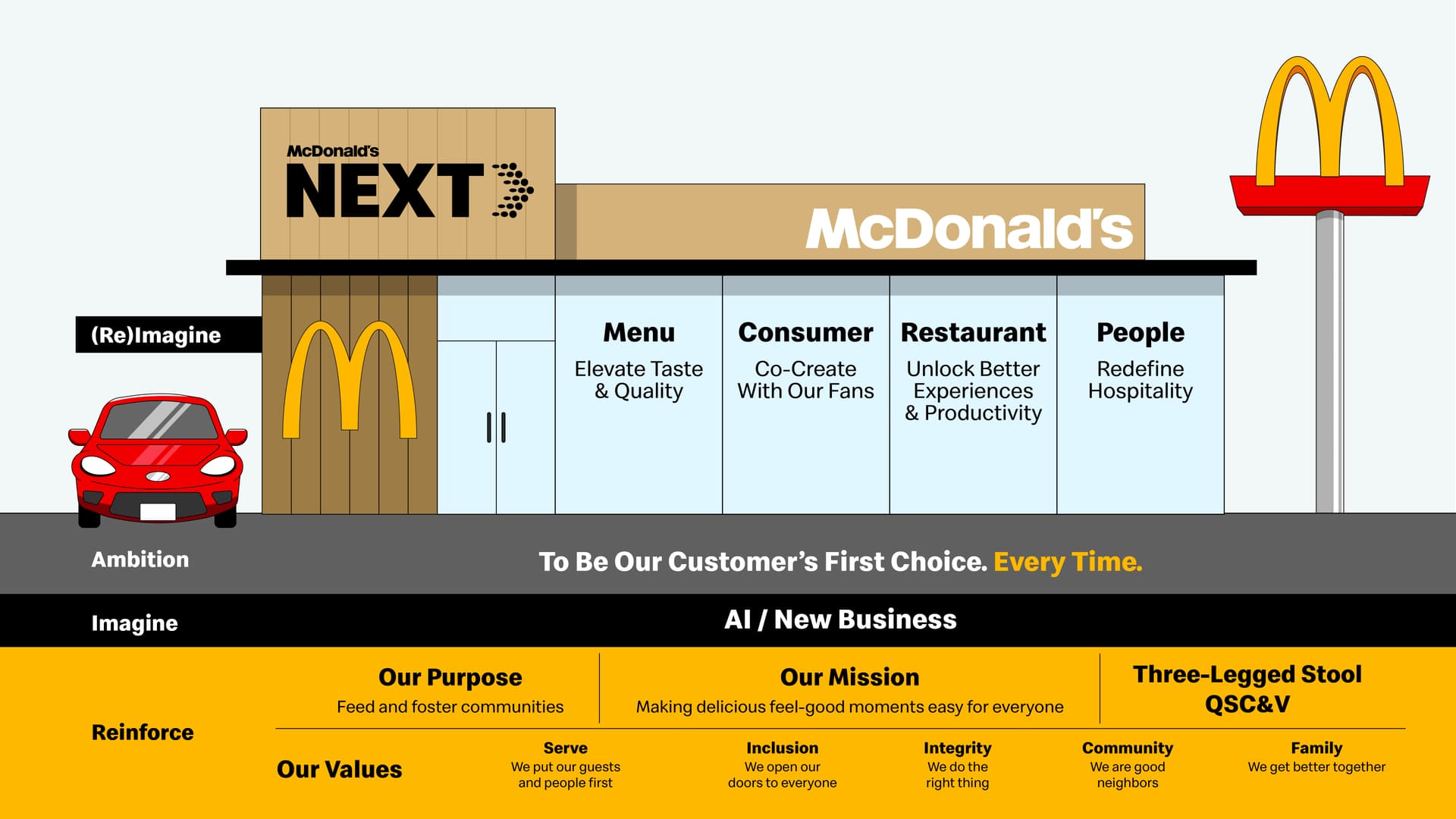
McDonald’s is pushing automation, hospitality standards, and simpler restaurant operations into the center of its NEXT strategy, and Taco Bell crews should read that as a warning shot. The company said the plan is built to grow productivity, improve value perception, use social media more aggressively, and make restaurants easier for franchisees and crews to run.
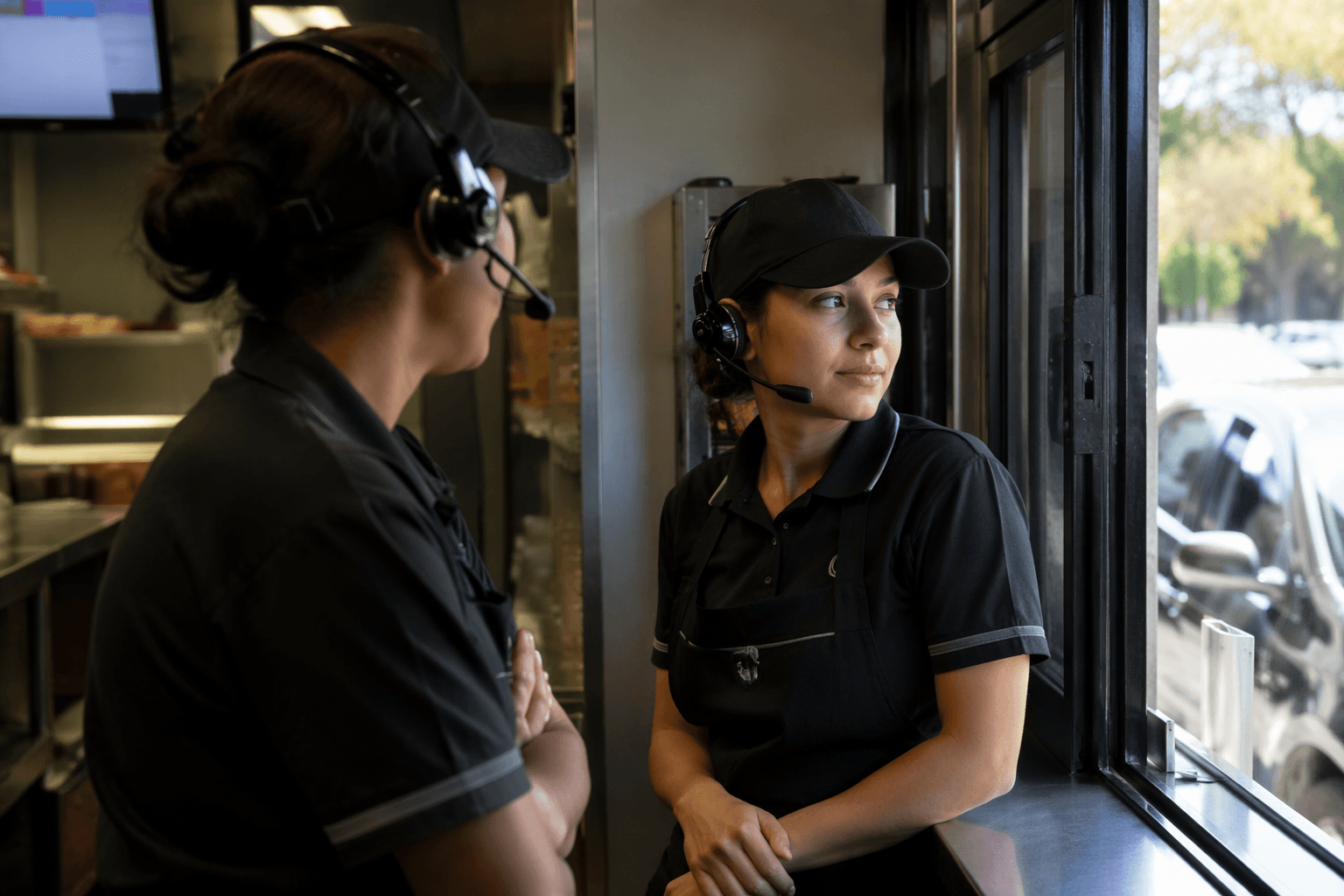
That matters well beyond one rival chain. When a giant like McDonald’s tells operators that the future is easier-to-run stores plus a better guest experience, every other fast-food brand gets measured against that standard, including Taco Bell. Reuters described the same rollout as centered on automation, hospitality, social media marketing, and better-tasting sandwiches and fries, all in service of smoother operations.
Why Taco Bell feels the pressure first
For Taco Bell, this is not just a branding shift at a competitor. It is a sign that the category is moving toward a tougher definition of good restaurant performance: fast service, cleaner execution, and less friction from the ordering screen to the handoff window. Taco Bell already lives in a high-speed environment built around app orders, digital offers, and aggressive menu execution, so any industry move toward operational simplicity raises the bar immediately.
That creates direct pressure on franchisees and store leaders. If McDonald’s is telling its system that easier operations are part of the business model, Taco Bell managers can expect the same expectation to surface in their world, even if the language sounds different. Promotions, labor shortages, and menu complexity already make shifts harder to control, and the new benchmark puts even more weight on keeping drive-thrus moving without letting order accuracy or hospitality slip.
Automation is no longer just about cutting costs
The bigger shift is how automation is being framed. It is no longer just a back-office efficiency play or a way to trim labor hours. In the NEXT strategy, automation is tied to productivity and customer experience, which gives it a broader job: helping the store run better while making the guest feel the visit was faster, smoother, and more reliable.
That framing matters for Taco Bell because it echoes the exact pressure points crews already manage. Technology can reduce friction, but only if teams are trained well enough to use it consistently and flexible enough to absorb changes during a rush. At a Taco Bell location, that can mean more emphasis on shift planning, tighter back-of-house coordination, and better use of ordering and production tools so the line does not break down when the lobby, drive-thru, and digital channels all hit at once.
What managers will need to protect on every shift
The practical message for Taco Bell managers is simple: the margin for sloppy execution is getting smaller. If the industry is competing on value, convenience, and operational simplicity at the same time, then a store cannot afford to treat speed and accuracy as separate goals. The guest experience has become part of the operating model, not just the brand image.
That means managers will likely face more pressure to keep service from deteriorating during peak periods, especially when the kitchen is stretched by promotions or staffing gaps. The stores that hold up best will be the ones that use technology to reduce confusion, keep crew roles clear, and avoid the kind of bottlenecks that turn a rush into a reset. In that environment, hospitality is not a soft skill on the side; it is part of throughput.
What crew members should expect on the floor
Crew members are the ones who will feel the change in real time. Faster systems mean less tolerance for slow handoffs, missed modifications, and inconsistent guest interaction. If competitors are redefining service as speed plus a smoother experience, then Taco Bell workers will be expected to do more than just keep orders moving. They will be expected to make the shift feel seamless.
That can change daily job design in subtle but important ways. More work may be pushed into pre-shift setup, station discipline, and communication between front counter, drive-thru, and kitchen. It also means the gap between a good and bad shift will be measured less by how busy the store was and more by how well the team handled the rush without creating avoidable friction for customers.
The message for Taco Bell is bigger than one announcement
McDonald’s is telling the industry that the next round of competition will not be won on one feature alone. It will be won by combining automation, hospitality, social media reach, value perception, and simpler restaurant operations into one system that is easier for franchisees to run and harder for competitors to match. That is a direct challenge to Taco Bell because the brand’s own success depends on making speed, digital convenience, and execution feel effortless to the guest.
For Taco Bell crews, the real takeaway is that operational pressure is not easing. The standard is moving toward faster stores, cleaner handoffs, and fewer moments where the customer notices the strain behind the counter. Even if McDonald’s NEXT never touches your location directly, it is shaping the expectations that now define fast-food work across the board.
This article was produced by Prism’s automated news system from verified source data, official records, and press releases, then run through automated quality and moderation checks before publishing. The system is built and supervised by the people who set the standards it runs under. Read our full AI policy.
Know something we missed? Have a correction or additional information?
Submit a Tip