McDonald’s World Cup pricing push offers lessons for Taco Bell teams
McDonald’s is turning World Cup nostalgia into a traffic tool, and Taco Bell crews should see it as the next phase of the value war.
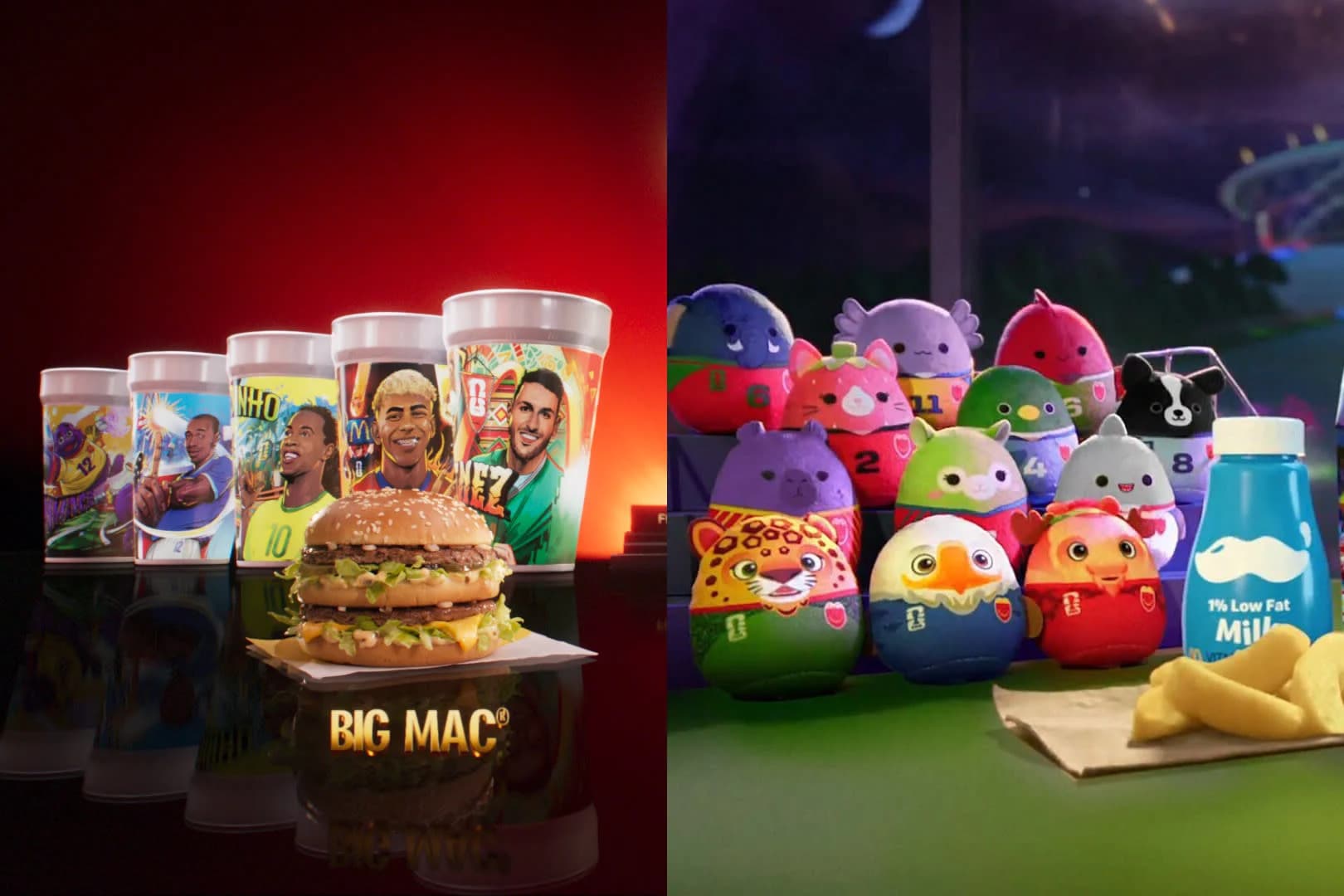
McDonald’s is doing more than selling a meal deal. By tying FIFA World Cup 26 to collectible cups, Squishmallows, breakfast tie-ins and packaging that feels made for sharing, the chain is using pricing as marketing, not just as a margin lever. For Taco Bell teams, that matters because the same logic is already pushing more promotions, more guest questions and more pressure to keep the line moving without letting the dining room or drive-thru bog down.
McDonald’s is selling an event, not just a combo
The U.S. rollout for McDonald’s FIFA World Cup 26 Meal begins June 4, 2026, with Happy Meal Squishmallows following on June 9. The adult meal gives guests a choice of a Big Mac or 10-piece Chicken McNuggets, plus gold-packaged Big Mac Sauce and one of nine collectible cups. The Happy Meal side of the promotion is even more built for repeat visits: it includes one of 23 Squishmallows plushies, including mascots representing Canada, Mexico and the United States.
That is the key lesson for QSR crews watching from behind the counter. McDonald’s is not just discounting food. It is packaging a simple order in a way that feels scarce, collectible and easy to talk about, which is exactly how a pricing move becomes a traffic driver. Morgan Flatley, McDonald’s global chief marketing officer, said the partnership is meant to bring shared joy to life at global scale, and that is the marketing goal in plain English: make a meal feel bigger than the meal itself.
Christian Pulisic’s role in the campaign reinforces that emotional angle. He said McDonald’s visits after soccer tournaments were a childhood ritual and called being on a collectible cup a full-circle moment. That kind of nostalgia matters because it turns a menu item into a brand memory, which can push more people to order, ask about the promo and come back before it ends.
Why Taco Bell teams should care now
For Taco Bell managers, the real takeaway is not that McDonald’s has a World Cup tie-in. It is that the fast-food fight is shifting toward promotions that combine value, culture and a little bit of spectacle in one easy-to-share offer. When pricing becomes part of the story, stores feel it immediately: more promotional signage, more customer questions, more special handling at the point of sale and more pressure on crews to keep throughput fast while the kitchen deals with extra packaging or limited-time components.
That operational load is familiar at Taco Bell, where value platforms and limited-time offers already shape the day-to-day pace of service. A clean promo can drive traffic, but every new collectible, sauce packet, flavor platform or bundle also raises the risk of missed handoffs, order mistakes and bottlenecks in back-of-house prep. The lesson from McDonald’s is not just that deals sell. It is that the more a deal feels like an event, the more important execution becomes at the store level.
Taco Bell is already playing the same game
Taco Bell has been leaning into this exact logic with its nationwide Luxe Value Menu, launched Jan. 22, 2026. The menu replaced the Cravings Value Menu and includes 10 items priced at $3 or less, split between five new items and five returning favorites. Rewards members got early access starting Jan. 16 through the app, drive-thru check-ins or restaurant kiosks, which is another sign that value is being used as a traffic tool across channels, not just a cheap headline price.
The company first tested the Luxe Value Menu in Indianapolis on July 17, 2025, before rolling it out nationally. That trial-and-scale approach shows Taco Bell knows these offers have to work in the real world before they land chainwide. It also explains why value promos can feel relentless inside the restaurant: each test can require new prep routines, training refreshers and customer-facing explanations before the item ever reaches every market.
Luis Restrepo, Taco Bell’s chief marketing officer, framed the menu in terms that make the strategy obvious. Value, he said, should deliver more flavor, more abundance, more options and more excitement. That is not the language of bare-bones discounting. It is the language of a brand that wants customers to think of value as an experience, which is exactly where McDonald’s is headed with World Cup packaging and collectibles.
The sales numbers show why the pressure is staying put
This is not just a marketing arms race. The financial results suggest value and innovation are moving traffic. Yum! Brands said Taco Bell delivered 7% same-store sales growth in third-quarter 2025, and later reported Taco Bell U.S. same-store sales growth of 8% in its third-quarter results commentary, with executives pointing to the value menu as part of the reason the chain resonated with consumers. Taco Bell also projected 8% first-quarter same-store sales growth at its 2025 Consumer Day, underscoring how central the value-and-innovation mix has become to the brand’s story.
Those numbers help explain why the company keeps pushing fresh ideas instead of settling into a static discount play. A menu that holds traffic is useful. A menu that lifts sales while still feeling like a deal is better. But for store teams, that usually means a steadier stream of launches, a heavier load of promo communication and less room for error when guests expect speed and clarity at the window or counter.
What a busier promo calendar means on the floor
A Taco Bell fan archive says the chain typically launches about 10 “Experiences” per year, each lasting about four to six weeks. Whether every store experiences them evenly or not, that cadence tells you how the brand is built to operate: not around one giant seasonal event, but around constant bursts of newness. That can help drive repeat visits, but it also means crews spend a lot of time learning, resetting and re-explaining.
For shift managers and restaurant managers, the operational implications are easy to spot:
- More promo messaging means more questions at the front counter and drive-thru.
- More limited-time offers mean more training, even when the item looks simple on paper.
- More deal-driven traffic can help sales, but only if throughput stays tight enough to avoid a service hit.
- More packaging and collectible-style promotions can slow the line if teams are not set up to move quickly.
That is why McDonald’s World Cup push matters to Taco Bell teams even if the product line is different. It shows that the next phase of the value war is not just about the cheapest item on the board. It is about making a deal feel like a moment, then forcing the store to execute that moment without letting service slip.
For Taco Bell workers, the competitive playbook is already here: more cultural tie-ins, more early-access tactics, more limited-time offers and more pressure to keep a simple offer simple at the register and in the kitchen. The brands that win this round will not just have the flashiest promotion. They will have the cleanest operation behind it.
This article was produced by Prism’s automated news system from verified source data, official records, and press releases, then run through automated quality and moderation checks before publishing. The system is built and supervised by the people who set the standards it runs under. Read our full AI policy.
Did this article answer your question?