Oregon, D.C. wage hikes raise pay floors for Taco Bell workers
Oregon and D.C. Taco Bell crews will see new pay floors on July 1, with Oregon ranging from $14.55 to $16.80 and D.C. rising to $18.40.

July 1 is not just another wage-policy date for Taco Bell. It is the first payroll test for stores in Oregon and Washington, D.C., where crew pay, shift-lead pay and manager scheduling will have to line up with fresh minimums or risk a compliance problem.
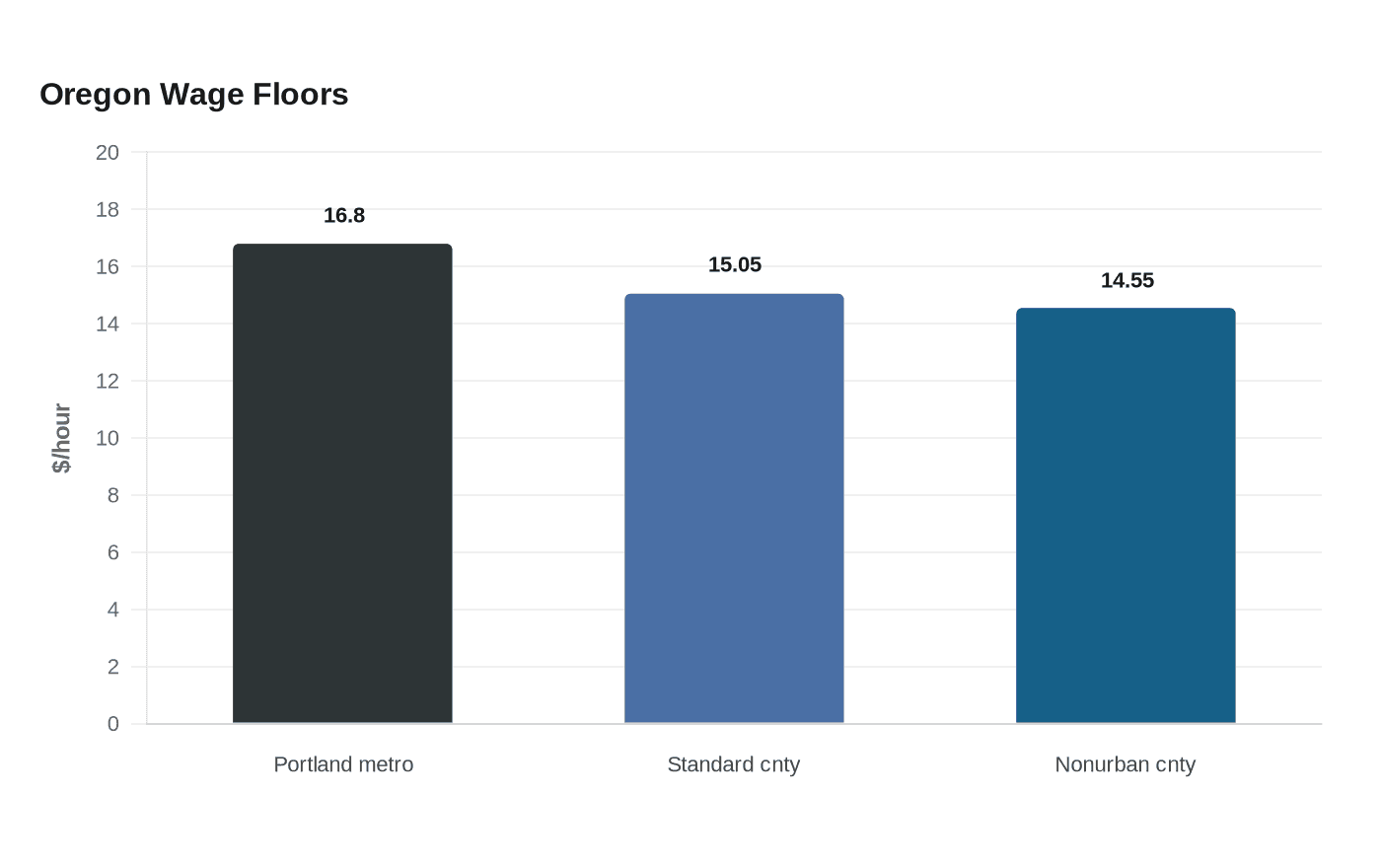
In Oregon, the floor will move to $16.80 an hour in the Portland metro area, $15.05 in standard counties and $14.55 in nonurban counties. Those rates run from July 1, 2026 through June 30, 2027, and the state says the minimum wage is indexed to inflation under the Consumer Price Index. The Oregon Bureau of Labor and Industries also says tip credits are illegal, tips are separate from wages, the minimum wage is the same for adults and minors, and deductions from minimum wage are allowed only in limited circumstances.
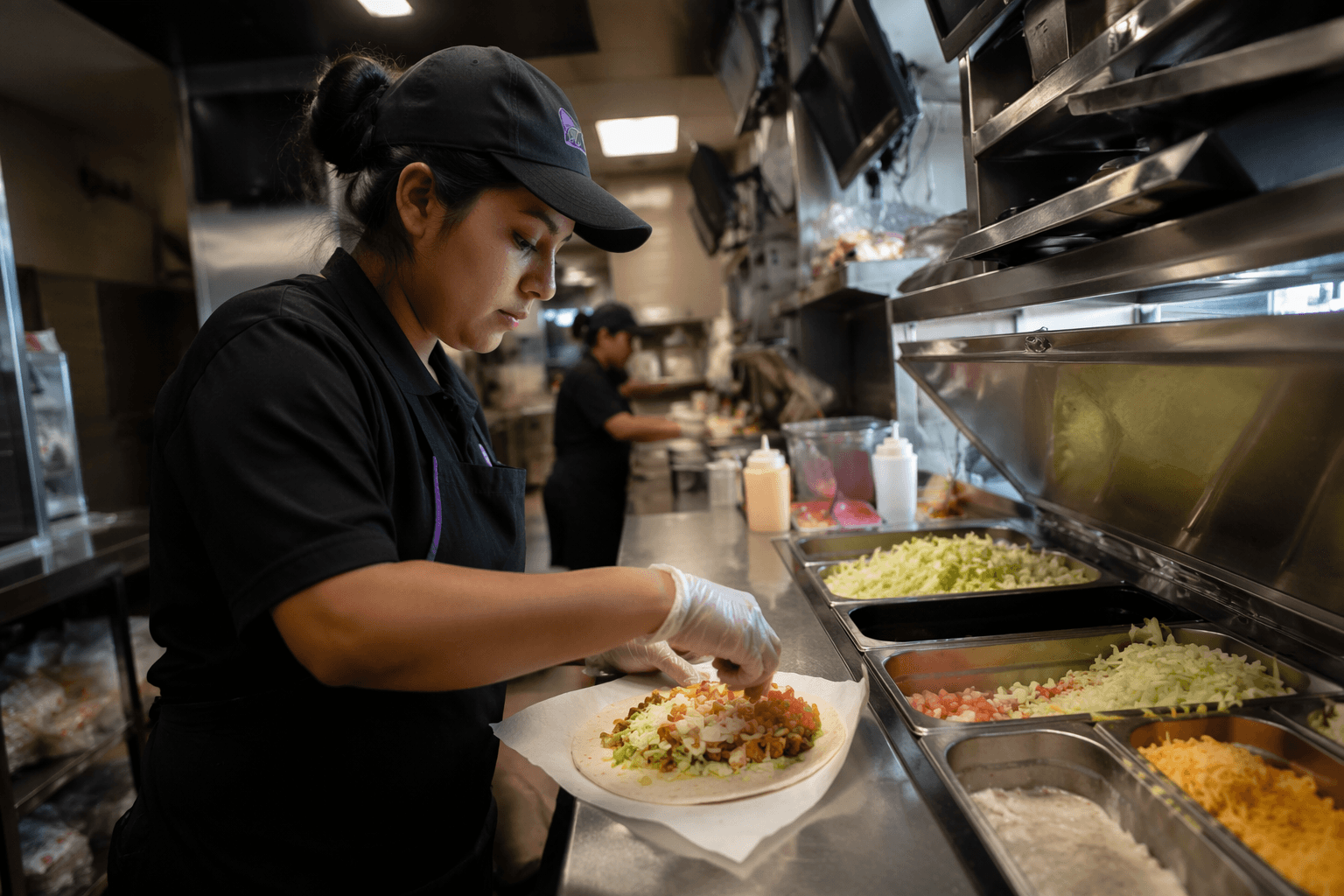
That matters for the lowest-paid Taco Bell jobs first: frontline crew members, new hires and shift leads whose pay sits close to the minimum will feel the change immediately in their first July pay periods. In Oregon, managers cannot make up the wage floor with tips, which closes off a shortcut some workers still misunderstand. The next increase is already scheduled for July 1, 2027, underscoring that this is an annual reset, not a one-time bump.
Washington, D.C. is moving in a different direction but with the same effect on restaurant payrolls. The District’s minimum wage will rise to $18.40 for non-tipped workers on July 1, 2026, up from $17.95. The base minimum wage for tipped employees will rise from $10.00 to $10.30, and employers must cover the difference if tips plus that base rate do not reach the full minimum wage. The 2026 adjustment was tied to a 2.4% increase in the Washington Metropolitan Area Consumer Price Index.
For Taco Bell operators, that creates pressure in a different way than Oregon does. In D.C., the gap between the tipped base and the full wage floor still leaves payroll administrators and shift managers with a separate compliance calculation, especially if a store uses tipped labor in any role covered by local rules. Oregon’s rules remove that complexity by banning tip credits altogether.
The bigger business question is how stores absorb the higher floors without squeezing labor elsewhere. That is where wage compression shows up first, with crew members near the bottom of the pay scale asking why shift leads or experienced workers are not moving faster. It is also where staffing and scheduling can shift, as operators in Oregon and D.C. decide whether to trim hours, rebalance shifts or reset internal pay bands.
Taco Bell says franchisees and licensees are independent employers responsible for their own employment practices, so compliance will not look identical across every store. But the first paycheck after July 1 will show the same thing in both markets: wage rules are changing, and restaurant managers will have to prove their systems changed with them.
This article was produced by Prism’s automated news system from verified source data, official records, and press releases, then run through automated quality and moderation checks before publishing. The system is built and supervised by the people who set the standards it runs under. Read our full AI policy.
Know something we missed? Have a correction or additional information?
Submit a Tip