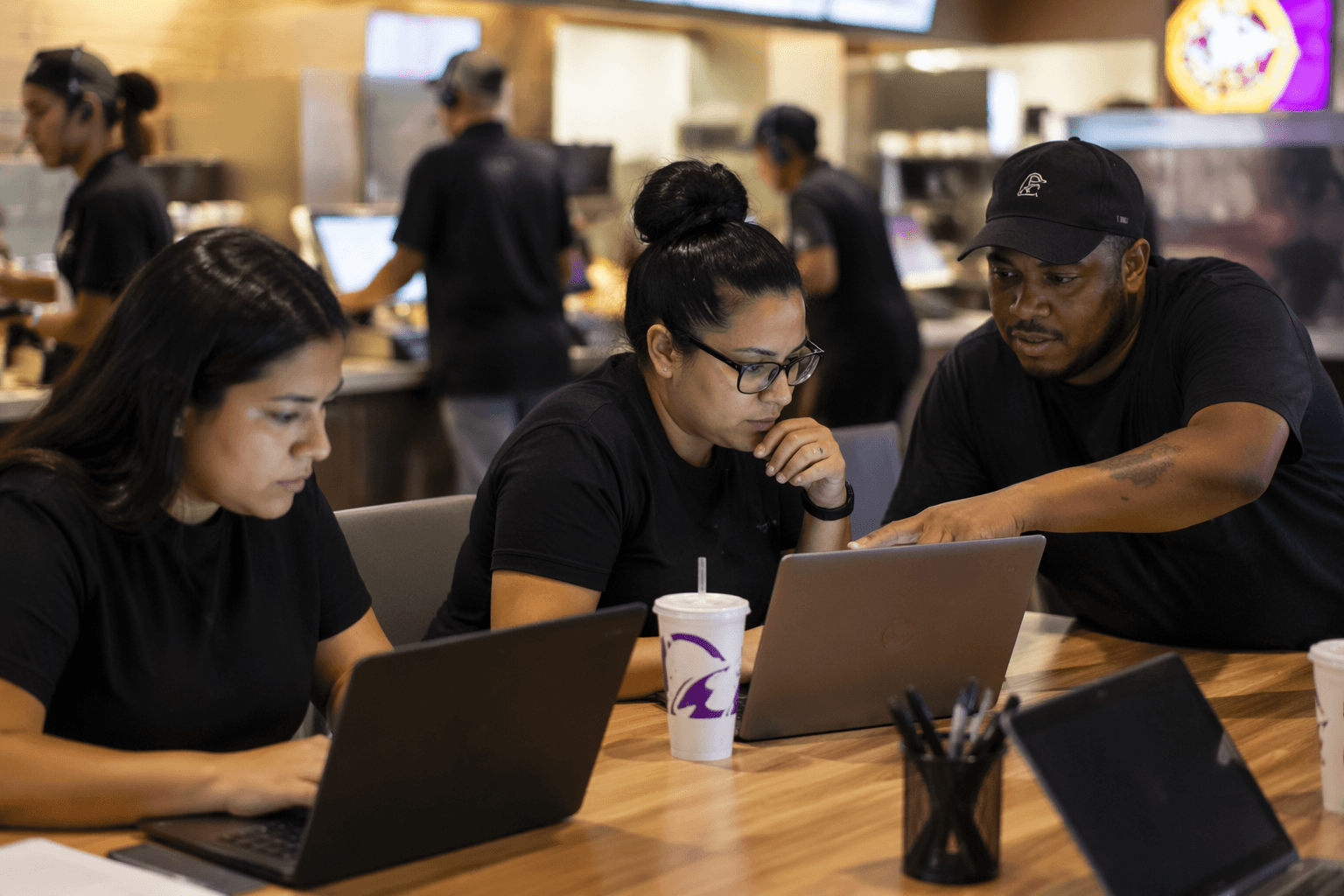
OSHA spotlights safety rules for teen restaurant workers at Taco Bell
Teen Taco Bell workers can learn fast, but only inside the age rules: slicers, late nights, drive-thru noise, and fry stations all carry real limits.
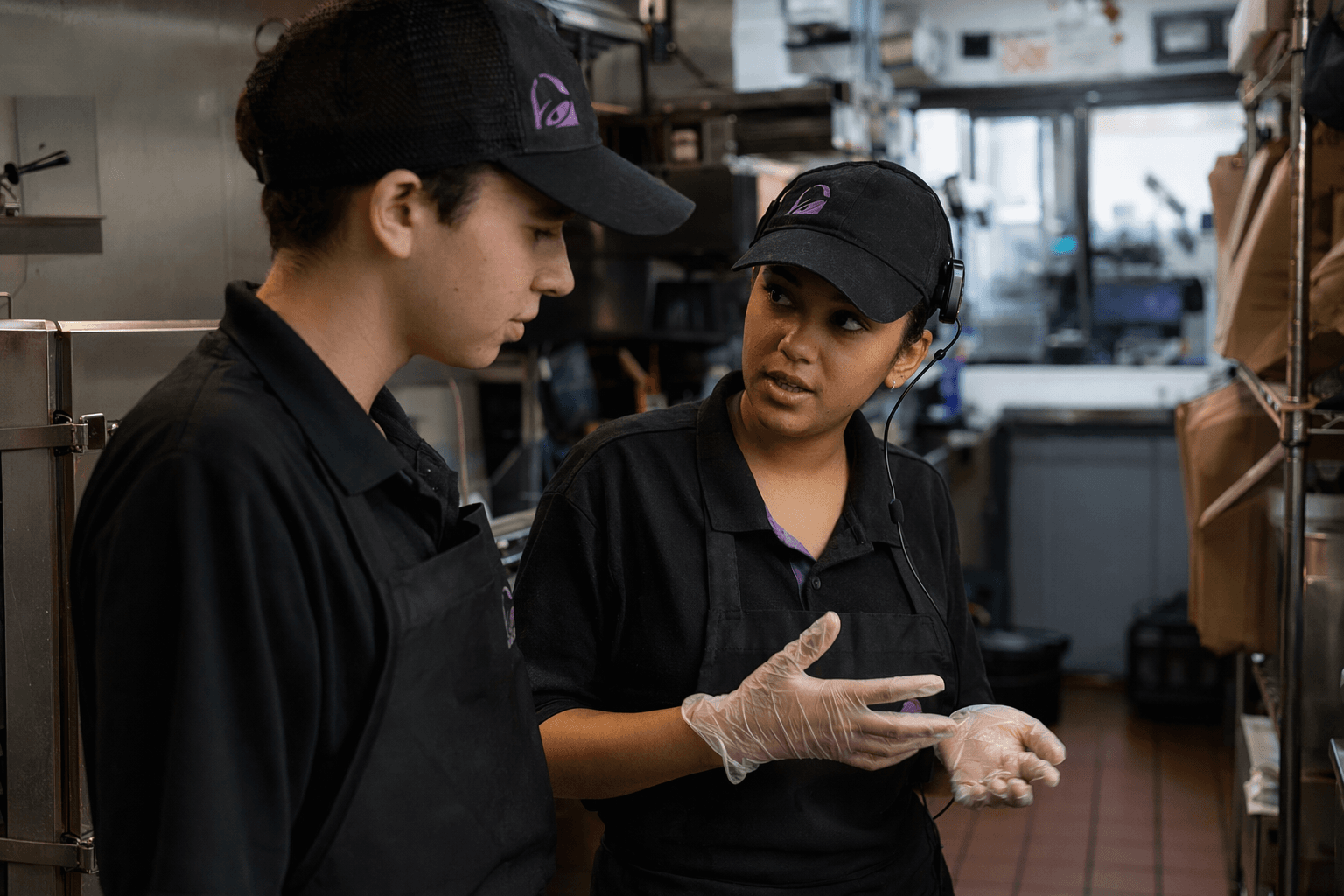
OSHA is really talking about shift-level risk
Teen labor is not a side issue in restaurants. OSHA says eating-and-drinking businesses employ 11.6 million people in the United States, nearly 30% of them under 20, and many young workers get their first job experience in restaurants. That is why the agency’s restaurant young-worker materials focus on the small decisions that shape a Taco Bell shift: who gets put on drive-thru, who gets near hot equipment, and who is trained before the rush starts. OSHA’s eTool is advisory, not a new legal rule, but it points to the standards managers are already expected to follow.
The legal baseline is straightforward: young workers have the right to hazard training in language and vocabulary they understand, to review injury records, and to file a complaint if they think conditions are unsafe. They are also protected from retaliation for raising concerns. Under the Occupational Safety and Health Act of 1970, employers are responsible for safe and healthful workplaces, and federal child labor rules are meant to protect health, well-being, and educational opportunities, not just keep a store out of trouble.
What teen crew members can do, and where the line gets hard
For Taco Bell crews, the most important question is not the title on the schedule. It is the task in front of you. The Labor Department says 16- and 17-year-olds may work unlimited hours in non-hazardous jobs, but they cannot operate, feed, set up, adjust, repair, or clean certain hazardous machines, including meat slicers, meat saws, patty-forming machines, meat grinders, meat choppers, commercial mixers, and certain power-driven bakery machines. Workers under 18 generally may not drive on the job, with only narrow exceptions for some 17-year-olds who meet specific requirements.
The age rules are even tighter for younger teens. Federal guidance says 14- and 15-year-olds may do food preparation, but only limited cooking tasks, and they may not perform baking activities. They may cook with gas or electric grills that do not involve an open flame, and with deep fat fryers that automatically raise and lower the baskets. That matters in quick-service work because the danger is not just what a minor is asked to do, but whether the equipment itself has to be touched, reset, cleaned, or manually handled.
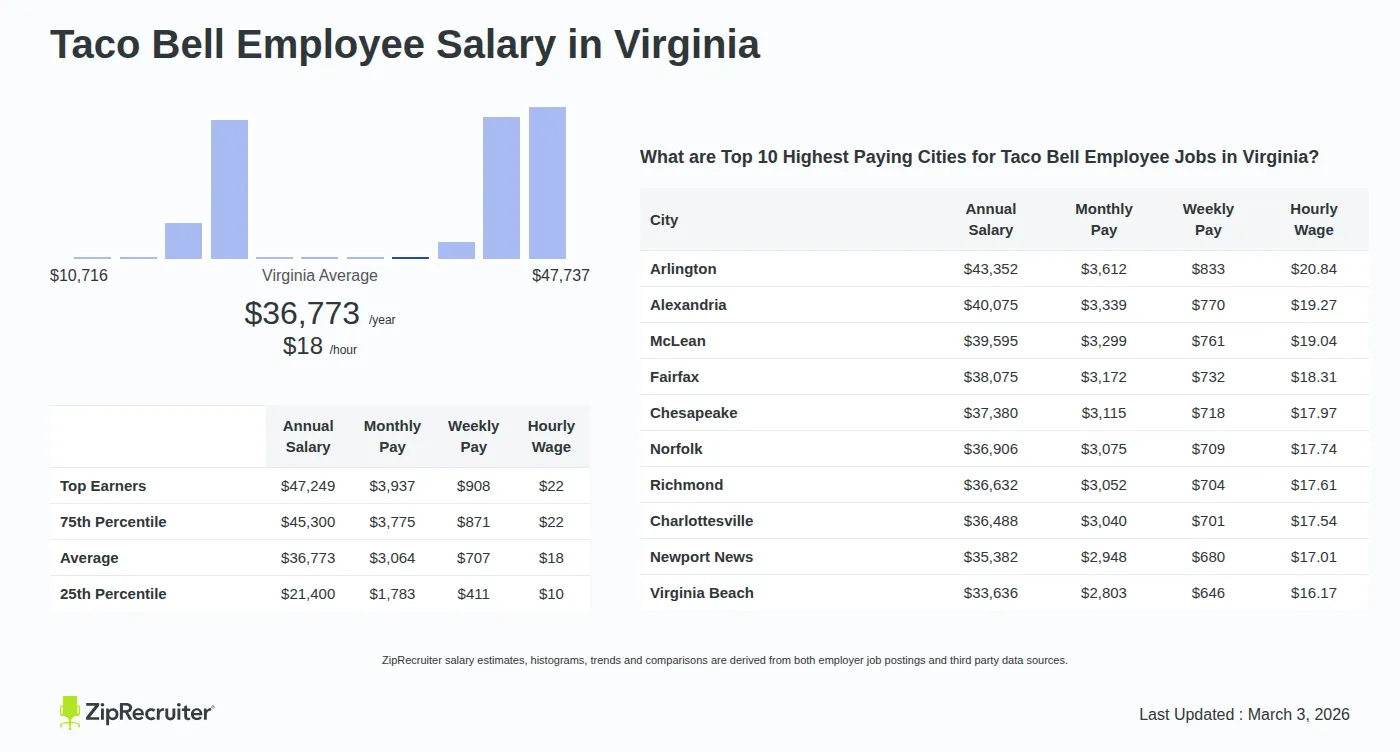
Those rules also intersect with pay. Federal law says working youth are generally entitled to the same minimum wage and overtime protections as older adults. So when wage debates flare up, teen workers are not operating under a separate, looser pay system. The compliance question is whether the store is respecting both the wage floor and the job limits at the same time.
Drive-thru, clean-up, and food prep are where injuries pile up
OSHA treats drive-thru work as more than order-taking. Young workers there can face car exhaust, noise, prolonged standing, strains and sprains, and workplace violence. Carbon monoxide exposure can cause headache, fatigue, chest pain, irregular heartbeat, and cardiac arrest, which is why OSHA recommends keeping windows closed as much as possible, using ventilation, and rotating workers to cut exposure. The agency also warns that noise-induced hearing loss is permanent and irreversible, and requires employers to act when exposures exceed 85 dBA over an eight-hour time-weighted average or dose of 50%.
Clean-up looks low-risk until it is not. OSHA says young workers in clean-up can encounter burns and scalds, cuts, electrical hazards, hazardous chemicals, slips, trips, and falls. Food-prep areas bring another set of risks: kitchen equipment, knives and cuts, machine guarding problems, slips, trips, falls, and strains and sprains. On a fast-moving Taco Bell line, those hazards are easy to miss when the focus is on speed, but the stakes are obvious once a new worker gets hurt by a wet floor, a sharp blade, or a chemical they were never shown how to handle.
OSHA’s own child-worker materials put the numbers in blunt perspective. Young workers suffer a disproportionate share of injuries and fatalities, especially in the first year on the job. In 2017, OSHA cited 22 work-related deaths among youths under 18 and another 27,070 injuries or illnesses. That is the kind of stat managers should keep in mind when a teenager is being moved quickly from register to fryer to lobby cleanup with only a rushed demo in between.
Who has to train, supervise, and answer when something goes wrong
For shift managers, the key lesson is that a quick walkthrough is not enough if the station carries hazard limits. OSHA says young workers need training that matches their vocabulary and understanding, and employers must provide appropriate personal protective equipment when hazards call for it. The federal and state child labor laws also both apply, and where they differ, the stricter rule controls. In practice, that means a manager cannot assume a state minimum or a franchise habit is good enough if it pushes a minor into prohibited work.
That is especially important in restaurants with franchise and corporate splits, because the reporting path changes depending on who owns the store. Taco Bell says corporate employees can use the Speak Up Helpline at (844) 418-4423, while franchise employees are told to contact their franchise’s corporate office or Human Resources team. Taco Bell also says franchisees and licensees are independent business owners responsible for their own employment practices, which makes clear that safety and labor compliance do not stop at the brand name on the menu board.
The real Taco Bell compliance test
Taco Bell’s public careers material talks a lot about growth, flexibility, and skill-building. That messaging is fine, but the on-the-job reality is more basic: a teen worker should not be assigned to a station until the store has checked the age rules, the hazard list, and the training record. OSHA’s restaurant guidance is a reminder that the safest crew is not the one moving fastest, but the one where the manager knows exactly who can handle the slicer, who can stand the drive-thru noise, and who still needs another round of training before the rush hits.
This article was produced by Prism’s automated news system from verified source data, official records, and press releases, then run through automated quality and moderation checks before publishing. The system is built and supervised by the people who set the standards it runs under. Read our full AI policy.
Did this article answer your question?