OSHA urges proactive safety programs for Taco Bell restaurant hazards
OSHA’s playbook fits Taco Bell’s busiest hazards: slips, burns, cuts, and strain. The point is to fix problems before injuries hit staffing, service, and paychecks.
Why proactive safety matters in a Taco Bell store
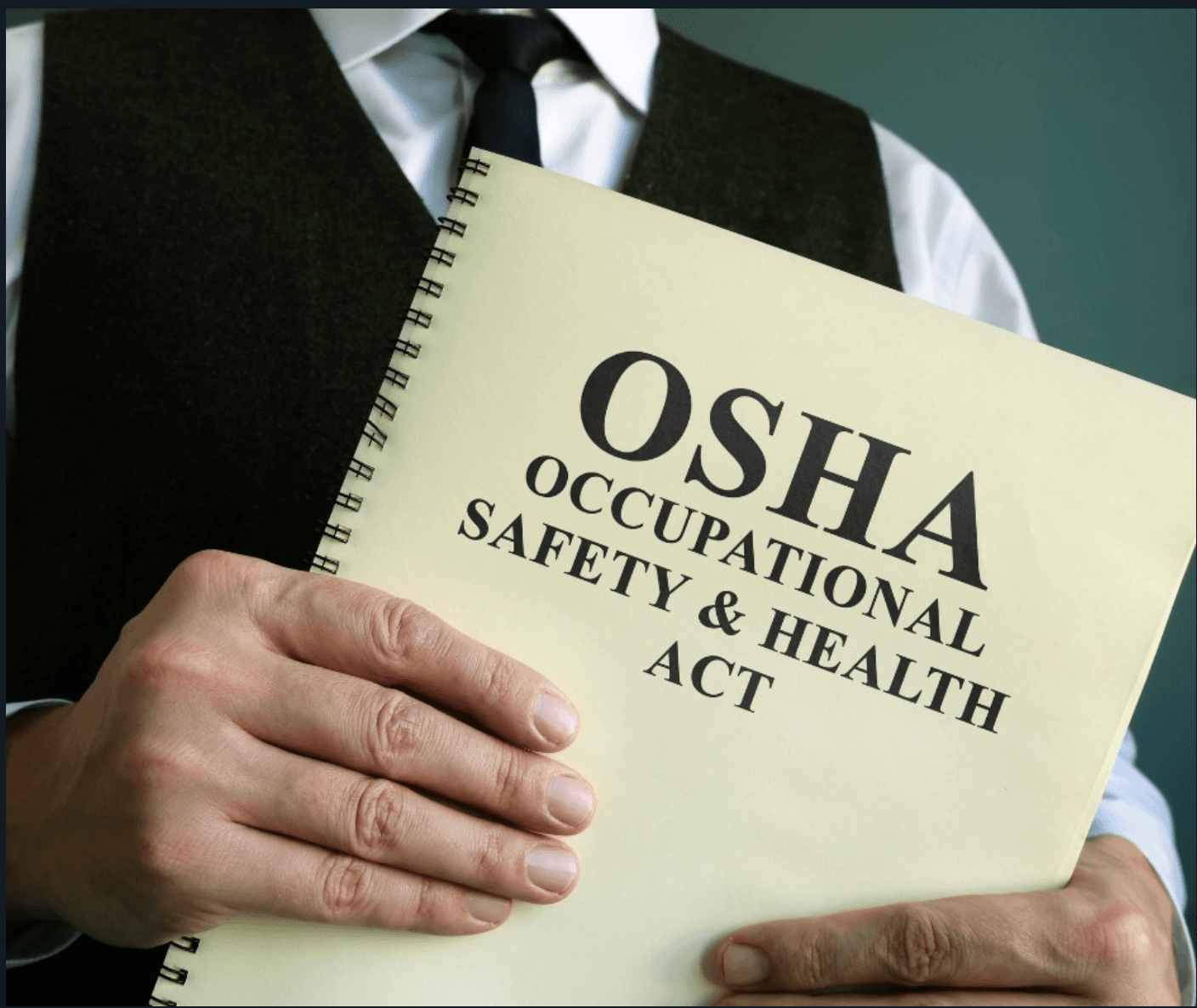
OSHA’s message is simple: the best safety program catches trouble before a worker gets hurt. Its Recommended Practices are built for small and medium-sized businesses, organized around seven core elements, and aimed at preventing injuries, illnesses, and deaths along with the financial and personal damage they create.
That approach fits Taco Bell especially well. Restaurant work is full of repeatable risks, from wet floors and hot equipment to sharp tools, chemical cleaners, and the pace of peak rushes. In a chain system where staffing changes fast and volume can spike without warning, safety is not just a compliance issue. It is part of keeping the line moving, the crew intact, and the shift from unraveling.
The hazards Taco Bell teams know best
OSHA’s restaurant guidance highlights the kinds of problems Taco Bell crews run into every day: slips, trips, and falls; burns and scalds; and cuts from knives and other sharp objects. The agency’s young worker restaurant materials are especially direct about those risks, describing common hazards and possible safety solutions for teen workers and employers in the restaurant industry.
That matters because the danger is often not one dramatic incident but a chain of small failures. A slick floor near the drink station can turn into a fall. A stumble while carrying hot liquid can become a burn. A rushed prep task with a dull knife or an unguarded edge can become a laceration. OSHA’s serving guidance says employees should use appropriate hand protection when hands are exposed to cuts, lacerations, and thermal burns, and its cooking guidance reminds workers that the kitchen can build skills while also exposing them to hazards.
The Centers for Disease Control and Prevention has also long warned about a specific restaurant risk that is easy to miss: slips or trips can lead to burns when workers stumble and knock hot liquids onto themselves. For Taco Bell teams, that is a reminder that floor care, carrying practices, and hot-liquid handling are linked, not separate problems.
What OSHA’s seven-part model looks like on the floor
OSHA’s Recommended Practices are not meant to be a giant binder that sits untouched in the office. The agency says the approach is step-by-step, built around seven core elements, and that employers do not need every detail planned before getting started.
- set a clear safety goal for the shift or week,
- identify the hazards that show up in prep, service, and cleaning,
- train the team on what safe work looks like,
- document procedures that keep tasks consistent,
- check whether controls are actually working,
- correct problems quickly,
- and improve the program as the store changes.
For a Taco Bell manager, that means safety can begin with practical store routines:
That is the kind of system that prevents the most common restaurant messes before they become injuries or workers’ compensation claims. It also reduces day-to-day chaos. When a store knows how to respond to a spill, a broken tool, a burn risk, or a chemical exposure issue, managers spend less time improvising and more time running service.
Why the franchise structure makes this even more important
Taco Bell’s safety picture is shaped by its business model. Taco Bell says franchisees and licensees are independent business owners and employers responsible for their own employment practices and benefits. Yum! Brands says its system includes more than 63,000 restaurants in 155 countries and territories, which shows how much of the day-to-day burden falls on operators across a huge and varied system.
That structure makes store-level safety management essential. A corporate policy only matters if a franchise store has the training, equipment, and follow-through to make it real on the line. It also means managers cannot wait for someone else to notice a hazard. In a system built on independent operators, the fastest route to fewer injuries is often the one closest to the crew: better prep habits, better cleanup routines, better equipment checks, and a culture where workers feel comfortable saying a condition is unsafe.
Taco Bell also leans on a long history of standardization. The company says the first restaurant opened in 1962 in Downey, California, by Glen Bell. That history is part of the brand’s strength, but it also raises the stakes. When a restaurant model scales this widely, small problems can multiply quickly if they are not managed early.
Why managers should treat safety as an operations problem
The business case for prevention is stronger than it looks at first glance. The U.S. Bureau of Labor Statistics reported 2.5 million private-industry injury and illness cases in 2024, the lowest number in the series going back to 2003, yet the private-industry total recordable case rate was still 2.3 cases per 100 full-time equivalent workers. In other words, even as overall counts improved, workplace injuries remained a real and measurable cost of doing business.
For Taco Bell, the consequences are operational. An injured crew member can mean a missed shift, a slower line, more pressure on the rest of the team, and more strain on managers trying to cover breaks, close stores, and keep service speed up. Fewer injuries can mean fewer absences, steadier staffing, and less turnover driven by a workplace that feels unpredictable or unsafe.
That is why OSHA’s model is useful for restaurant leadership, not just safety officers. It turns safety into a management discipline. A store that inspects floors, maintains equipment, refreshes training, and fixes recurring hazards is also a store that is more likely to keep orders moving and keep morale from slipping when the rush hits.
What crew members should expect from a safer store
For crew members, the practical takeaway is that safety should not depend on luck or personal caution alone. A well-run Taco Bell should have systems that make safe work possible: training that is actually usable, reporting channels that do not punish people for speaking up, maintenance that keeps equipment from becoming a hazard, and supervisors who treat a spill, burn risk, or broken tool as a service problem and a people problem at the same time.
OSHA’s restaurant materials for young workers underline that workers have a right to conditions that do not pose a risk of serious harm. That is especially important in fast food, where many employees are early in their careers and may be learning the job while also absorbing the pace and pressure of the store. The goal is not to slow restaurants down. It is to keep the work predictable enough that speed does not come at the expense of injuries, missed pay, or constant turnover.
The clearest lesson from OSHA’s model is that safety works best when it starts before the incident report. For Taco Bell managers, that means looking at the hazards already built into the job and removing as many as possible before a crew member pays the price for them.
Know something we missed? Have a correction or additional information?
Submit a Tip
%3Amax_bytes(150000)%3Astrip_icc()%2Far-TacoBell_ShreddedBeefNachoFries_800x469-42744d1b0b0945d48fa6b976df848651.jpg&w=1920&q=75)