Taco Bell faces labor churn as applicants ghost first shifts
Ghosted first shifts are turning hiring gaps into slower lines and burned-out crews at Taco Bell. Managers now need faster follow-up, steadier schedules, and retention tools that keep people showing up.
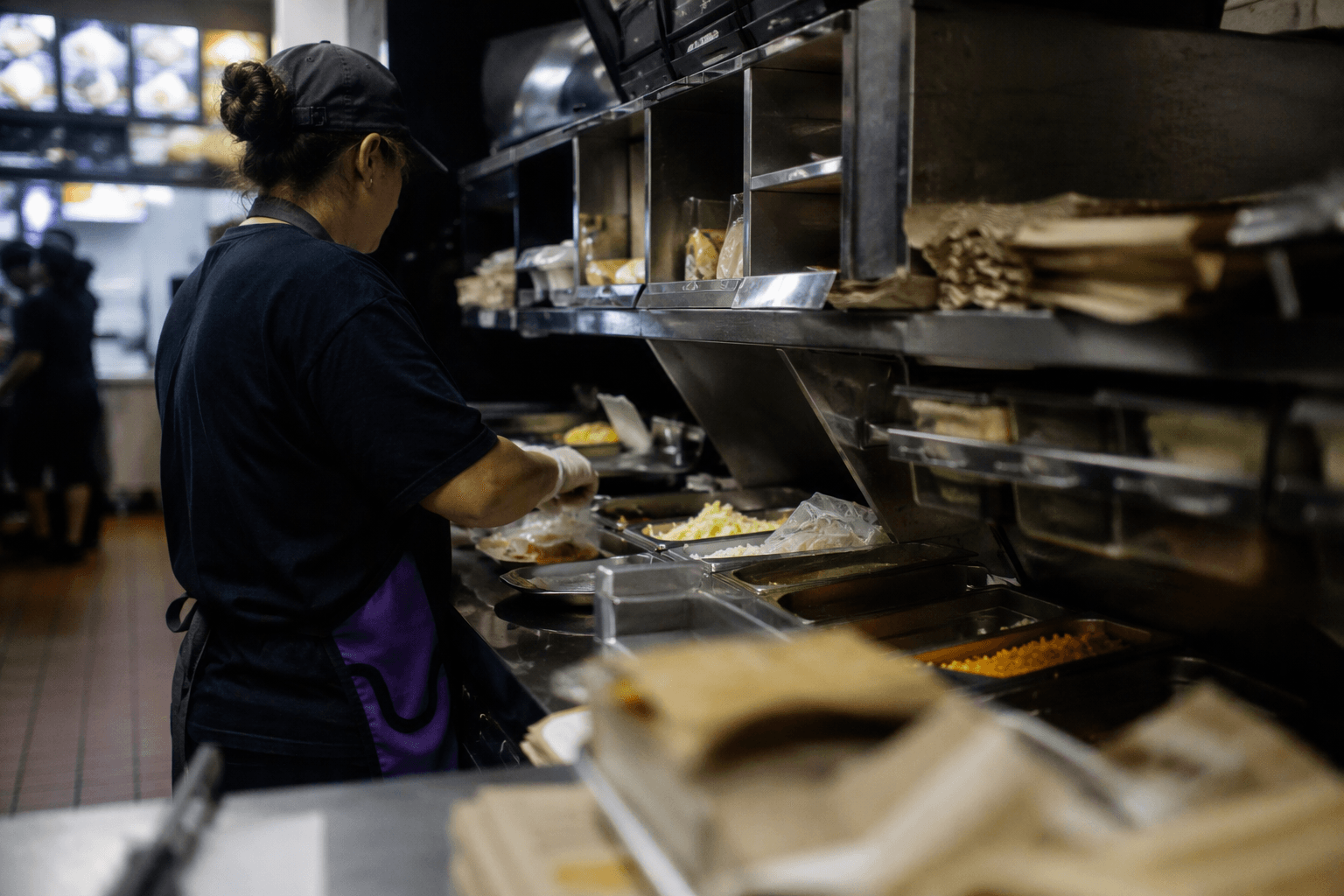
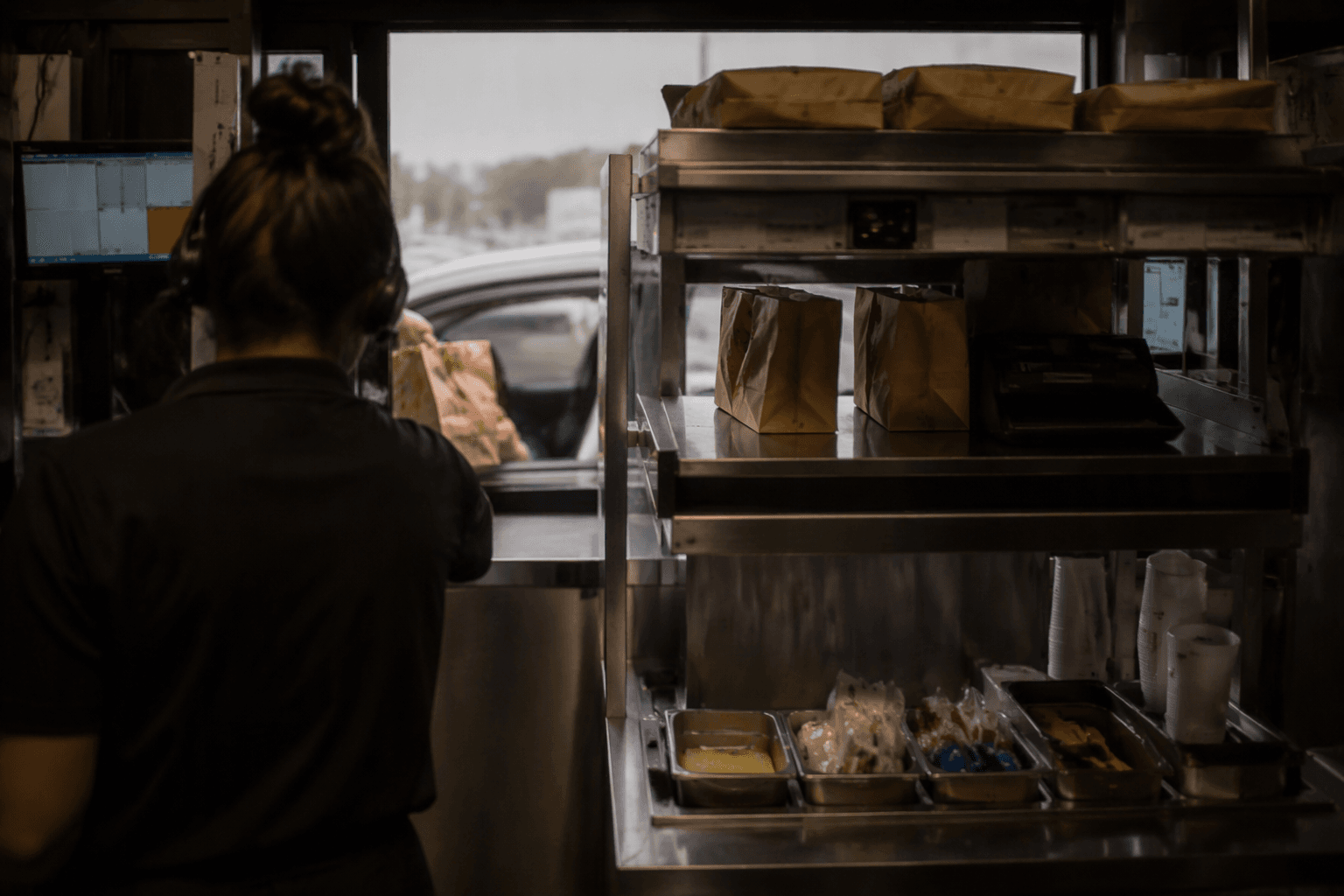
One no-show can turn a Taco Bell dinner rush into a short-staffed night. Taco Bell’s labor problem is no longer just about finding applicants. It is about whether they show up for the first shift, stay through the first few weeks, and give managers enough coverage to keep the line moving. For crew members, the cost shows up as schedule whiplash and extra cleanup; for shift leads, it shows up as coverage gaps.
Why first-shift ghosting hits Taco Bell so hard
Ghosting is especially disruptive in fast food because the work depends on a narrow margin for error. Taco Bell stores rely on students, part-timers, and workers who may be balancing school, child care, or another job, so the gap between accepting an offer and actually appearing on the floor is where many hires disappear. A slow follow-up, vague expectations, or a job posting that does not match the reality of the shift can all lead to the same result: a slot that looked filled on paper is still empty when the timer starts.
Modern Restaurant Management's Aug. 4, 2026 Research Roundup identified labor and turnover as a major industry issue, and that fits Taco Bell’s operating model. The chain runs at high volume, with short training cycles and a constant need to keep the front line staffed. When a new hire ghosts, the burden shifts immediately to the people already on shift, who then absorb more register work, more drive-thru pressure, and more cleanup when the rush ends.
The scale makes small turnover changes matter
Taco Bell says it has 8,254 locations in the United States, and the brand also says it operates more than 9,000 restaurants in 35-plus countries and territories. It describes itself as the largest Mexican-inspired concept in the world.
Taco Bell’s 17 percent retention improvement at company-run stores after it expanded employee education benefits matters to managers, even if the result did not come from a labor overhaul on the floor. When fewer people leave, supervisors spend less time replacing bodies and more time stabilizing the schedule, training the crew, and protecting service times.
What assumptions no longer hold
The old assumption was that hiring ended when an applicant accepted the job. That does not hold in a restaurant where the first week can determine whether a worker stays for a month or a year. By Jan. 22, 2024, ghosting had become a real hiring response from both job seekers and employers, an issue Indeed addressed that day and Talroo revisited on Jan. 2, 2025 in a piece on minimizing candidate ghosting.
Another assumption that is breaking down is that labor can be fixed by posting more openings. Taco Bell’s own workforce moves point in a different direction. The Yum! Reskilling Academy, a 12- to 15-month program, gives some restaurant team members on-the-job experience and virtual skills training with an eye toward corporate roles, while Taco Bell planned to test six-figure pay for general managers.
What managers should change now
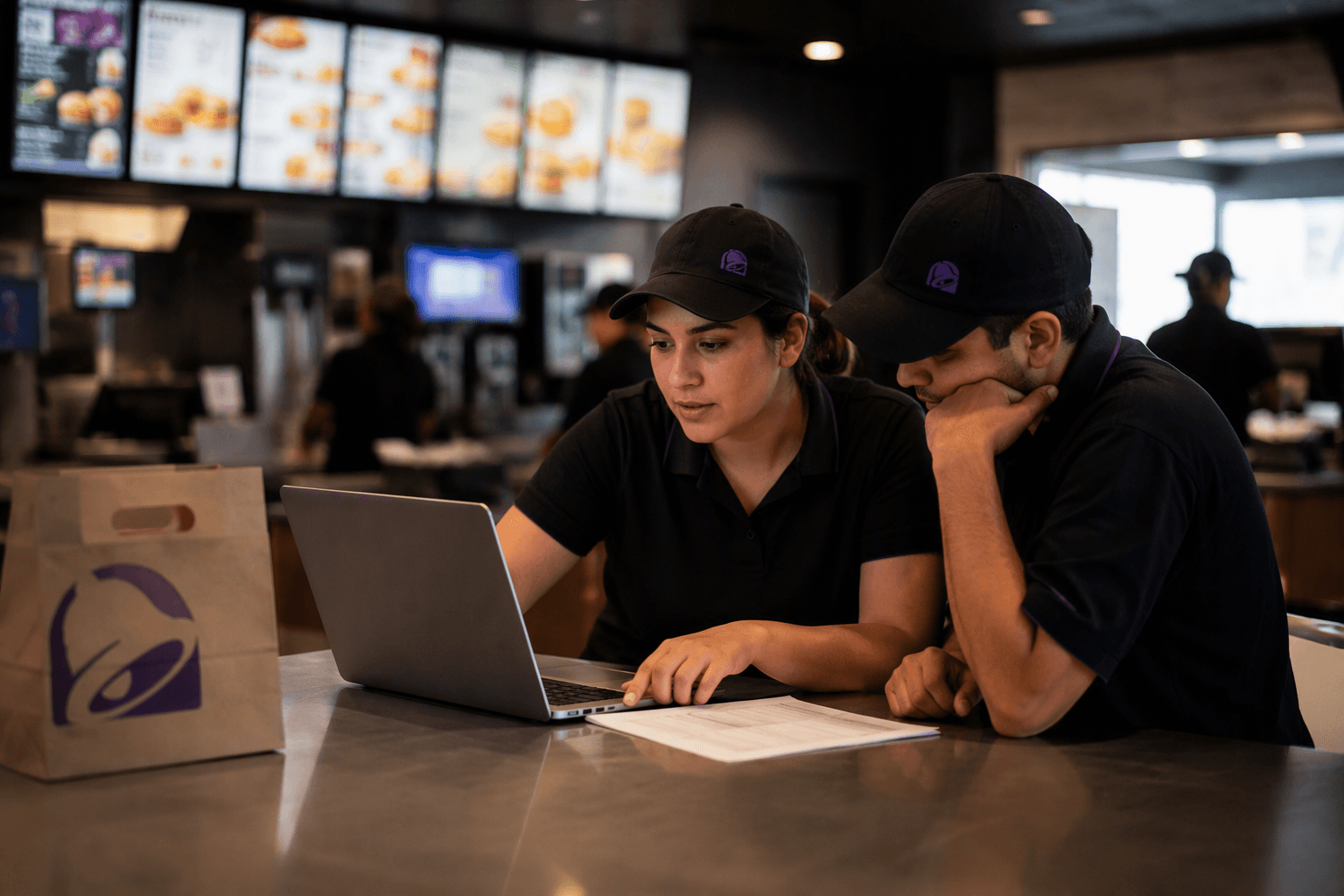
The first fix is speed. Confirm the start date quickly, contact the hire before the first shift, and make expectations plain enough that nobody walks in surprised by station rotation, pace, or closing duties. A worker who understands what the first night will look like is less likely to disappear before the apron goes on.
The second fix is scheduling discipline. If a store is already running thin, managers should stop assuming they can absorb extra call-outs with overtime and goodwill alone. Cross-training matters here because a crew member who can bounce between prep, register, and line support gives the shift room to survive a no-show without stalling the whole operation.
The third fix is to tighten the connection between labor planning and store execution. When staffing is unstable, the real warning signs are not just vacancies. They are late arrivals, repeated shift swaps, rising overtime, more line rework, and managers spending more time covering stations than coaching them.
The basics still decide the shift
Fast food runs on consistency, and Taco Bell’s labor problem is tied to the same basics that show up in a fry audit or a production check. If teams miss cleaning, holding, or prep standards, the cost is not abstract. It shows up as food waste, guest complaints, and extra labor spent correcting mistakes that should not have happened in the first place.
That dynamic matters even more when stores are also dealing with chainwide cleanup. On July 17, 2026, Taco Bell said it had completed removal of affected Taylor Farms lettuce from restaurants. A product removal like that takes attention, documentation, and crew communication, all while the store still has to cover the lunch rush and the evening surge. If the staffing base is weak, those extra steps land on the same managers already trying to keep the line clear.
This article was produced by Prism’s automated news system from verified source data, official records, and press releases, then run through automated quality and moderation checks before publishing. The system is built and supervised by the people who set the standards it runs under. Read our full AI policy.
Did this article answer your question?