Taco Bell shows how delivery can add value without killing margins
Delivery only helps Taco Bell when app orders fit the line, not when they pile on remakes and handoff stress. That is the margin test every shift manager sees.
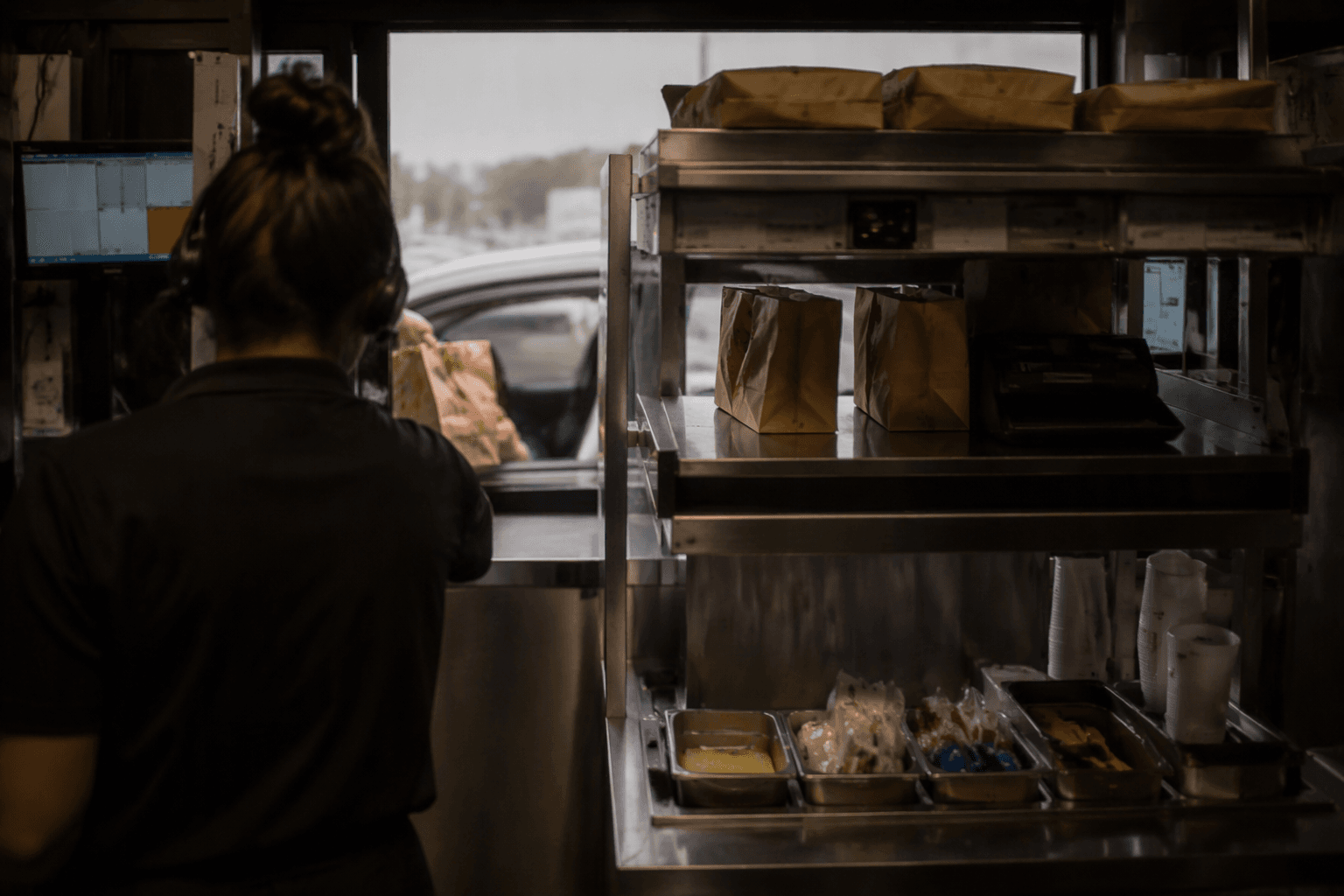
DoorDash CEO Tony Xu’s early hesitation about a Taco Bell partnership came down to a simple store-level problem: thin-margin food gets expensive fast once you add packaging, labor, timing pressure, and extra handoff points.
A delivery order only helps Taco Bell when it reaches the line without turning a smooth rush into a pileup.
Taco Bell has a better setup than most fast-food chains for making that math work. Its menu is customizable and built for made-to-order assembly, and Taco Bell says it operates more than 9,000 restaurants in more than 35 countries and territories. Taco Bell also says its 2025 year-end earnings reflected $18.361 billion in total system sales, which helps explain why delivery is not a side experiment for the chain, but part of how it now sells food.
Why delivery fits Taco Bell better than it fits many drive-thru chains
The core advantage is menu fit. Taco Bell’s menu is customizable and made to order, and that matters because delivery works best when the kitchen can assemble items quickly without pushing the whole line into chaos. Low-priced, highly ordered online products can travel well when the packaging is right and the product mix is simple enough to batch.
At Taco Bell, the upside shows up when delivery complements in-store traffic rather than replacing it, especially when the order mix is already digital-heavy. Yum! Brands told investors that Taco Bell’s digital sales mix exceeded 50% in the third quarter of 2024, then rose to a record 57% in the second quarter of 2025, alongside more than $9 billion in digital system sales.
What delivery changes on the shift
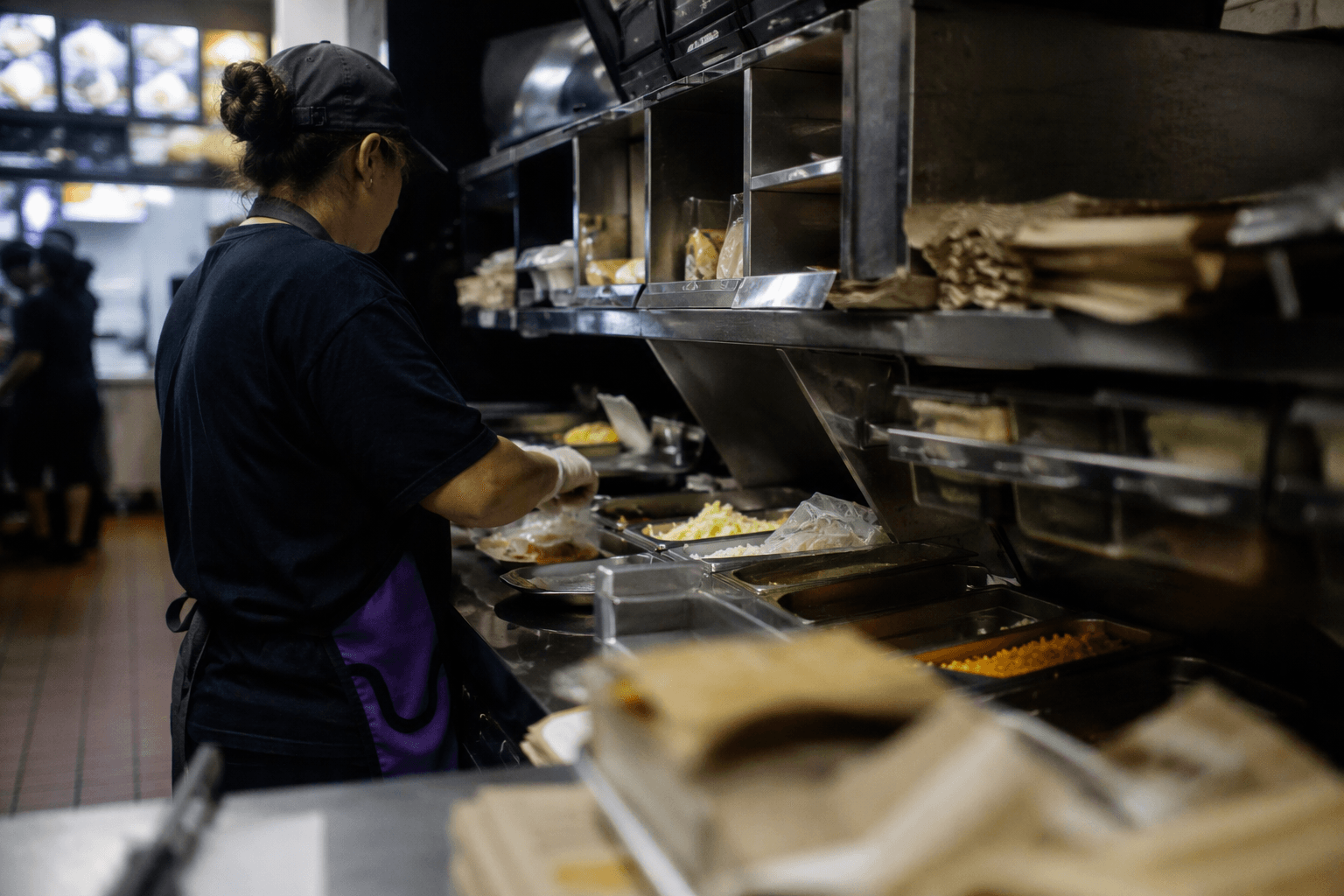
On the floor, delivery changes the rhythm of the day long before it changes the balance sheet. A dining room can look quiet while app tickets keep the back line busy, and that creates a different kind of pressure for crew members who are used to reading the room by the front counter or the drive-thru lane. The work shifts toward accuracy, packaging discipline, and timing coordination, because every extra handoff is another place where an order can go wrong.
That matters most during peaks. Delivery volume arrives in bursts that do not always match dine-in patterns, so a store can feel understaffed even when the room is not full. For shift managers, that means one more queue to manage and one more customer expectation to satisfy, often with no extra time between tickets.
The costs are operational, not abstract. If the store is not set up for the volume, delivery can increase stress, food waste, and remake costs. If the line is disciplined and the handoff is clean, delivery can raise sales without forcing the kitchen into permanent overdrive.
What “the economics are right” looks like inside the restaurant
Tony Xu’s concern about margins gets translated into a few very specific questions in the store:
- Can the line absorb delivery orders without slowing dine-in, drive-thru, or mobile pickup?
- Are staffing levels enough to cover bursts at meal periods, or does every app surge trigger a scramble?
- Does the order mix favor items that can be assembled quickly and packed cleanly?
- Are remake rates staying low, or are delivery mistakes eating into the extra revenue?
Delivery only adds value if the store can keep throughput up while keeping errors down. Once remake work, packaging waste, and missed handoffs start climbing, the margin story changes fast.
Taco Bell built the channel in layers
The chain did not jump into delivery all at once. Taco Bell launched in-app delivery orders on November 3, 2022, and Fire! Tier Rewards members got special perks starting November 4. It tied delivery to Taco Bell’s own app flow first, before widening the funnel through a broader partnership.
Taco Bell later announced a nationwide partnership with DoorDash on its newsroom site, and guests can order and pick up through the web or app, get delivery, and pay with ease through mobile or web. Delivery is now built into the core customer workflow.
That kind of integration matters for workers because it changes where labor goes. Some operators shift hours away from front counter coverage and toward make-line and expo functions. Others need more labor during peaks because digital orders arrive in waves, and the store still has to keep the front of house, the kitchen, and the handoff area moving at once.
Why this is really a staffing story
Taco Bell’s delivery growth sits inside a bigger digital shift across Yum! Brands. The chain’s 5% same-store sales growth in the fourth quarter of 2024 was followed by 7% growth in the third quarter of 2025 and 7% for full-year 2025.
This article was produced by Prism’s automated news system from verified source data, official records, and press releases, then run through automated quality and moderation checks before publishing. The system is built and supervised by the people who set the standards it runs under. Read our full AI policy.
Did this article answer your question?