Taco Bell growth depends on franchise capability, shaping daily store operations
The real driver of Taco Bell’s growth is operator quality, and you feel it in staffing, training, equipment and promotion paths on every shift.

The hidden engine behind the Bell
The biggest driver of Taco Bell’s growth is not a slogan or a new menu item. It is whether the franchise operator running your store has the money, discipline and systems to execute the brand every day.
That is the core of Yum! Brands’ model. The parent company says it operates close to 61,000 restaurants in more than 155 countries and territories, and it says maximizing franchise operating capability is central to its success. Yum! also says it looks for franchise partners who are capitalized, committed and capable, a standard that sounds corporate on paper but shows up on the floor as training quality, equipment reliability, staffing consistency and whether a team can keep pace when the dinner rush hits.
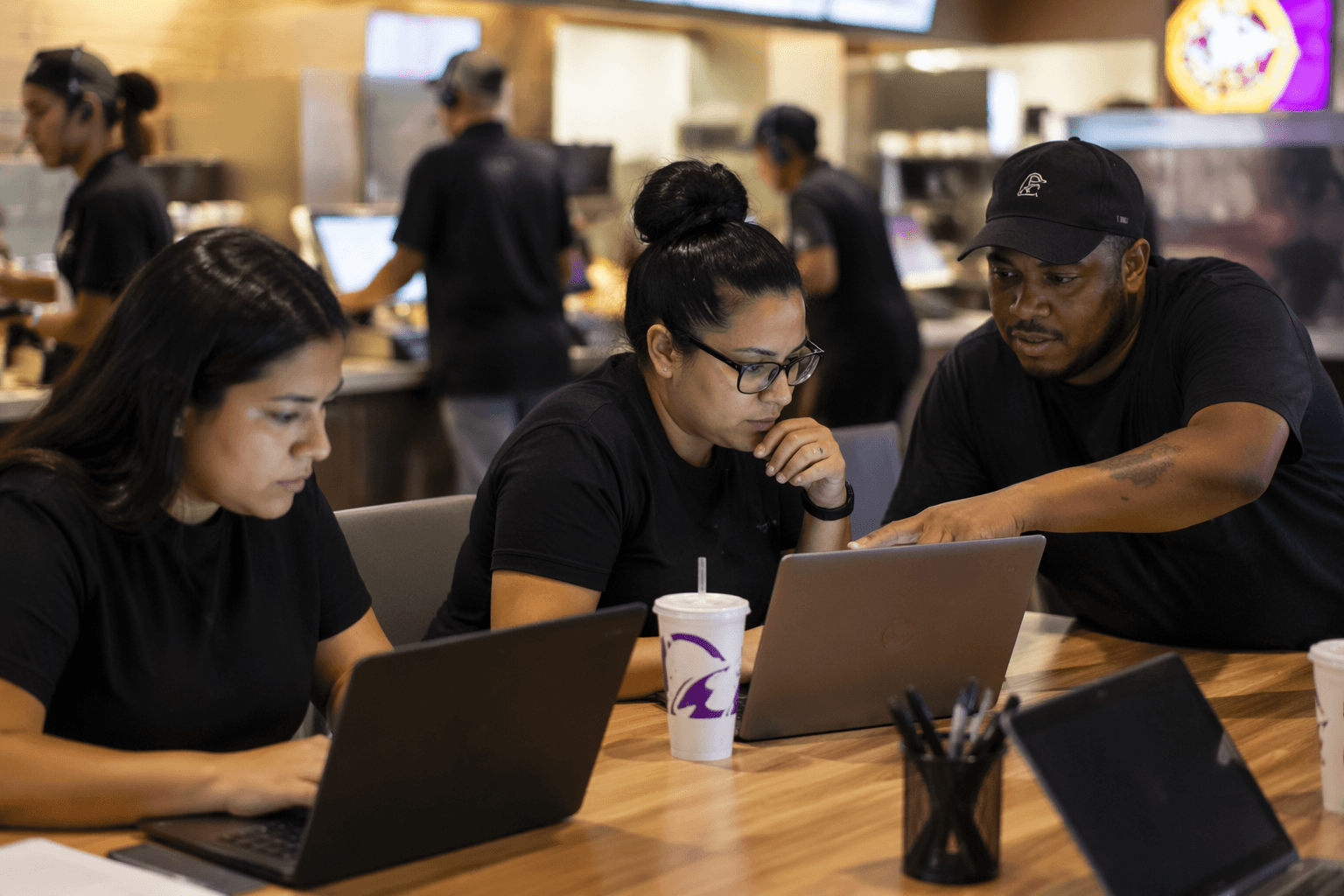
For Taco Bell crew members, that means the hidden power structure is often the local operator, not headquarters. In a system where most restaurants are not company-owned, the franchisee’s ability to absorb brand standards and turn them into a steady shift matters as much as the brand’s marketing. Strong operators fund better tools, smoother processes and more consistent scheduling. Weak operators leave crews dealing with understaffing, training gaps, delayed remodels and the kind of day-to-day chaos that makes every rush feel harder than it should.
What a strong operator looks like on the floor
The phrase franchise operating capability can sound abstract, but at store level it is easy to spot. When a location runs well, the line moves, the equipment works, managers know the playbook and new menu changes do not throw the entire shift off balance. When capability is thin, the signs are harder to miss: a broken machine that stays broken, a rushed new-hire orientation, a schedule that never seems matched to demand and a store that is always one call-out away from trouble.
For shift managers and restaurant managers, this is where corporate standards meet reality. Matching labor to traffic is not just a scheduling exercise, it is the difference between manageable service and constant overtime pressure. Keeping equipment ready is not just maintenance, it is the difference between hitting service times and watching tickets stack up. Using best practices from other locations sounds simple, but it only works when the operator has the capital and discipline to spread those practices across stores instead of leaving each unit to reinvent the wheel.
That is why franchise capability also affects advancement. In a strong system, store leaders can focus on coaching and promoting because the basics are stable. In a weak one, managers spend their time covering gaps, retraining people and chasing parts, which slows development for everyone underneath them.
Why growth depends on execution, not just buzz
Taco Bell’s numbers show why this matters. The company said it reached $1 billion in operating profit in 2024, while digital sales grew 32% to $6 billion. It also said it opened 347 gross-new locations across 25 countries and ended 2024 with 8,757 restaurant locations. The brand said its U.S. same-store sales grew in all four quarters of 2024.
Those figures are not just a corporate victory lap. They tell workers that growth is tied to execution at the restaurant level. A brand can only keep adding stores, pushing digital orders and building sales if operators can handle the staffing, training and capital needed to keep service consistent. Taco Bell says it has more than 8,500 restaurants in 30-plus countries and generates about $17.1 billion in system sales. That scale creates opportunity, but it also raises the stakes for every local operator who has to make the same promise hold up from one shift to the next.
Yum!’s expansion pace makes the point even clearer. The company says it opens a new KFC, Taco Bell, Pizza Hut or Habit Burger Grill roughly every two hours. That kind of speed only works if franchisees can build, staff and run new restaurants without letting the existing ones slide. For workers, the message is simple: growth does not automatically mean a better store. It means more stores, and the quality of the operator determines whether that growth feels stable or strained.
How Taco Bell’s franchise model built the chain
This system is not new to Taco Bell. The chain opened in 1962 in Downey, California, sold its first franchise in 1964 and reached its 100th restaurant in 1967. By the time it went public in 1970, the franchise model had already become part of its identity.
PepsiCo’s purchase of 868 Taco Bell restaurants in 1978 for about $125 million helped push the brand from a regional Western chain into a national player. That history matters because it shows Taco Bell did not grow by replacing the franchise system. It grew by leaning into it. The company’s current scale, and the speed at which it keeps adding restaurants, still depend on whether operators can turn brand standards into reliable execution.
Why ownership and promotion pipelines matter to workers
Taco Bell has also tried to widen and strengthen the ownership pipeline. In October 2024, the company launched Taco Bell Business School with the University of Louisville, a six-week franchise-ownership bootcamp covering financing, growth and development, marketing and HR. Taco Bell said the goal was to break down barriers to franchise ownership and build a more diverse franchise system.
That matters inside restaurants because ownership quality shapes everyday life. A better-prepared franchise owner is more likely to understand labor, capital planning and people management, which affects everything from onboarding to equipment upgrades. It also matters in the long run for advancement. In 2025, Taco Bell said 67% of leadership roles in company-owned restaurants were filled through internal promotion, team-member retention improved by 17% and general manager vacancy fell by 27%. Those numbers suggest that when a company and its operators invest in people, the store gets a more stable bench and workers get a clearer path up.
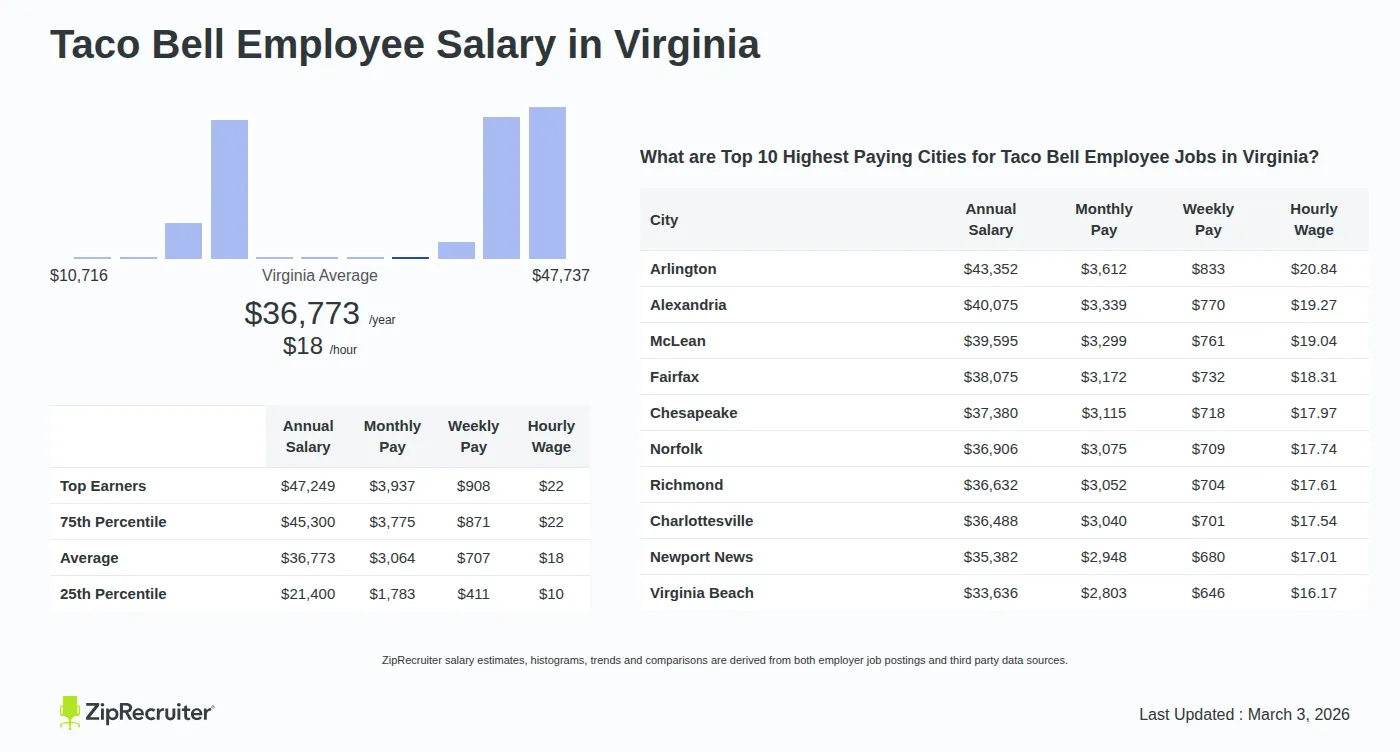
That stability also affects the wage debate that sits behind many fast-food jobs. Minimum wage changes, pay equity fights and tip policy questions do not land the same way in every restaurant. A capable operator can absorb labor pressure and keep the store functioning with fewer surprises. A weak one often turns every compensation change into a staffing crisis, where hours get chopped, turnover spikes and the people left behind carry the load.
What workers should watch for
If you work at Taco Bell, the operator’s strength usually reveals itself in small, practical signs:
- New hires are trained before they are thrown into the rush.
- Equipment gets repaired quickly, not after weeks of workarounds.
- Schedules track traffic patterns instead of guessing at them.
- Promotions come from inside the store, not just from outside hires.
- Menu changes arrive with clear direction, not confusion.
- Remodels, tech upgrades and staffing plans happen on a real timeline.
Those details tell you whether the store is being run by a franchisee that can support the brand or one that is merely hanging on. Taco Bell’s growth story is really a capability story, and for the people on the line, that is what determines whether the Bell feels steady or shaky every day.
This article was produced by Prism’s automated news system from verified source data, official records, and press releases, then run through automated quality and moderation checks before publishing. The system is built and supervised by the people who set the standards it runs under. Read our full AI policy.
Did this article answer your question?