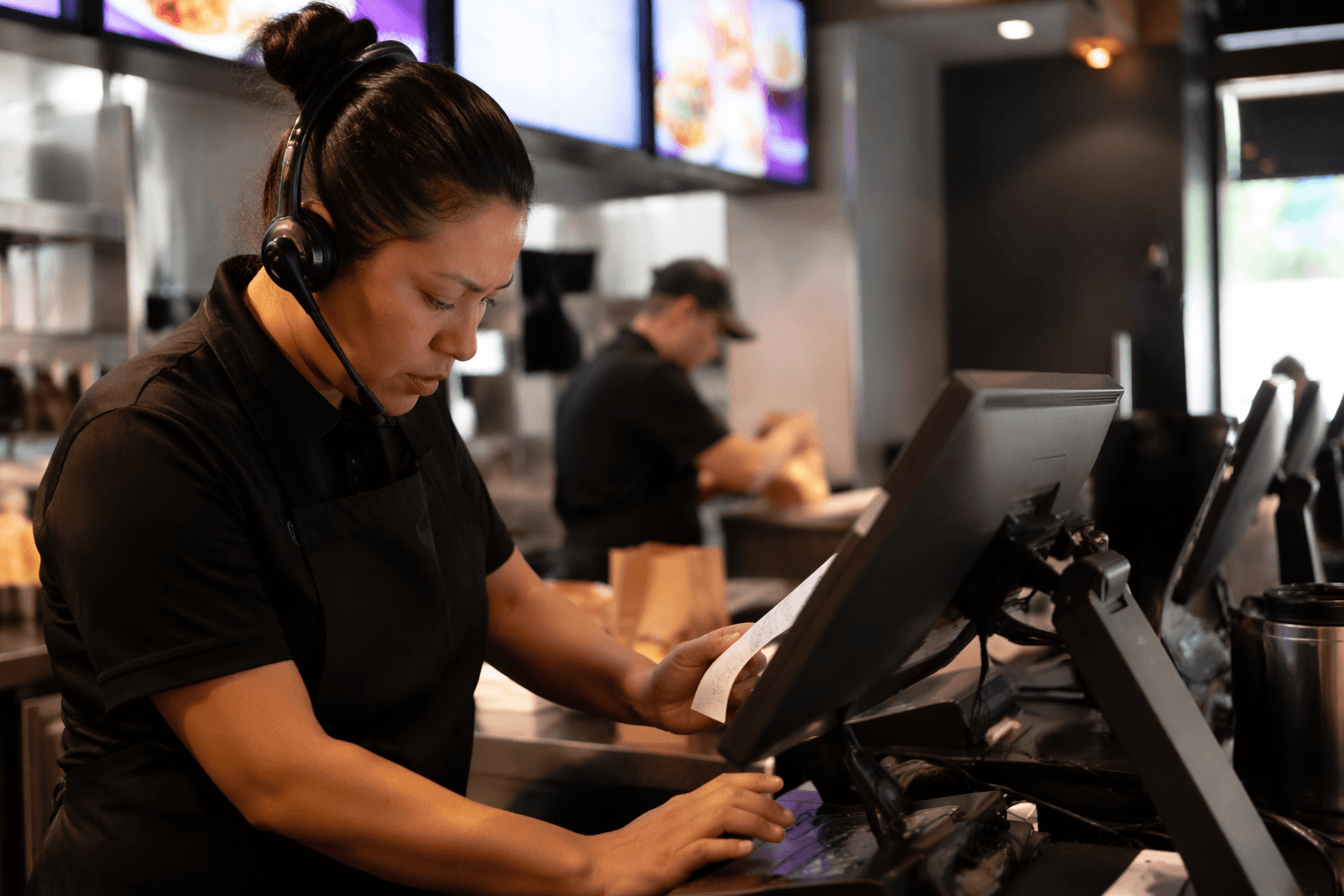
Taco Bell hiring stays strong despite softer consumer traffic
Restaurants kept hiring even as traffic softened, leaving Taco Bell crews in a market where open shifts, retention pressure and tighter labor budgets all still matter.
Restaurants are still adding workers even as more customers pull back, and that tension is showing up directly inside Taco Bell stores. The U.S. Bureau of Labor Statistics said food services and drinking places added 48,000 jobs in May 2026, while the overall unemployment rate held at 4.3% and the U.S. economy added 172,000 jobs.
That matters for Taco Bell crew members and shift leaders because labor demand is not easing just because traffic is softer. The National Restaurant Association projected $1.5 trillion in restaurant and foodservice sales in 2025, more than 200,000 net new jobs, and total industry employment of 15.9 million, even as 61% of operators said customer traffic declined between 2023 and 2024 and nearly four in 10 restaurants were unprofitable last year. For Taco Bell stores, that usually means more pressure to fill late-night, drive-thru and digital shifts, and less room for managers to carry extra labor without watching every hour.
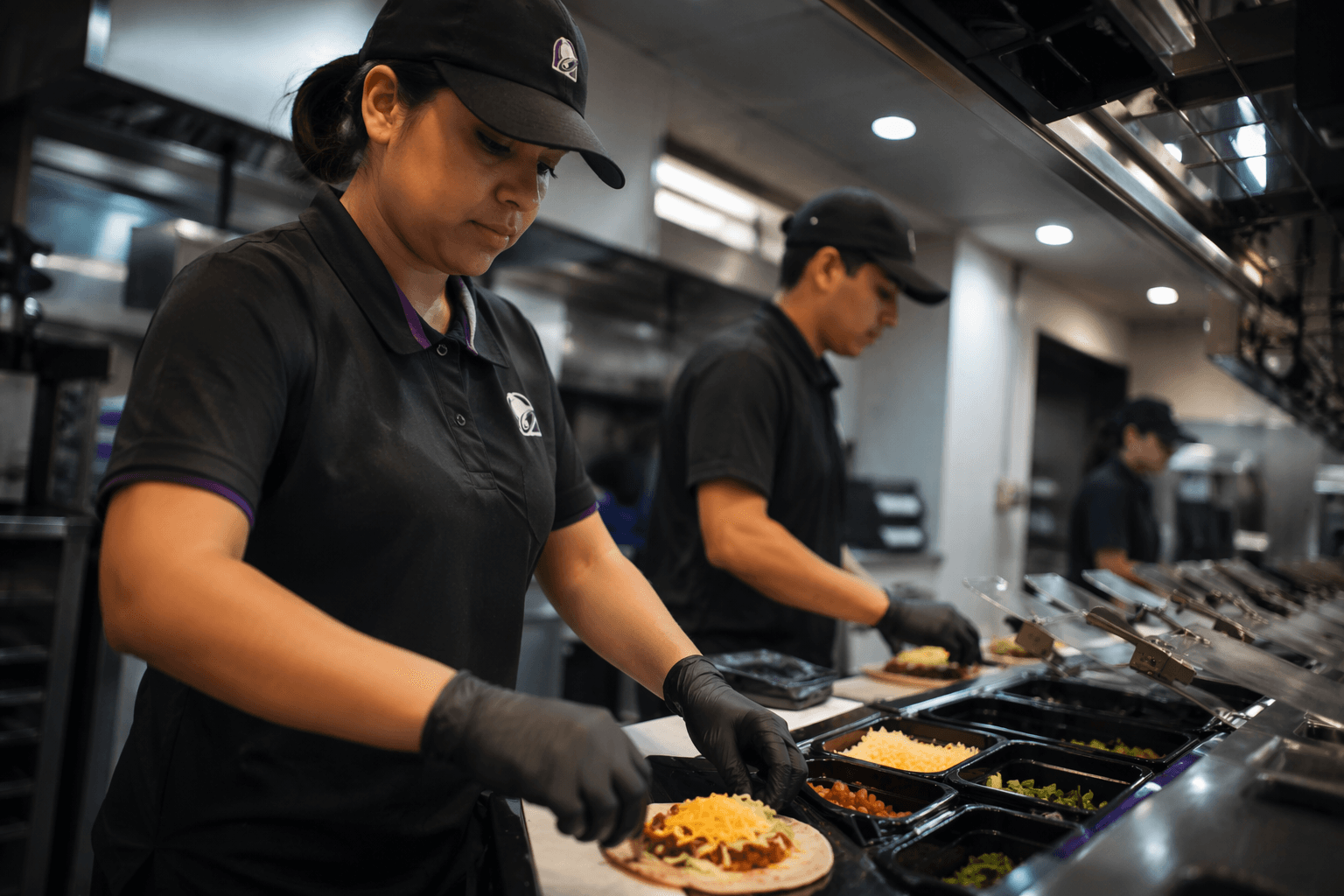
Taco Bell has been trying to make the job stickier. In October 2025, the chain said its retention improved 17% year over year in its company-owned portfolio, general-manager vacancies fell 27%, and front-line workers enrolled in its tuition program held a 73% retention rate. General managers in the program had retention rates 1.5 times higher than those not enrolled. Taco Bell’s franchise system includes about 7,100 locations and more than 250,000 team members, so even small gains in retention can affect whether a store is fully staffed on a Friday night rush.
The company is also changing the work itself. By July 2024, Taco Bell said voice AI was already in more than 100 drive-thrus across 13 states and planned to expand it to hundreds of restaurants. Dane Mathews, Taco Bell’s chief digital and technology officer, has said restaurants using voice AI have seen higher employee retention because the technology takes some of the mundane work out of the shift. For crews, that can mean less repetitive order-taking, but it also raises the bar for keeping speed and service tight.
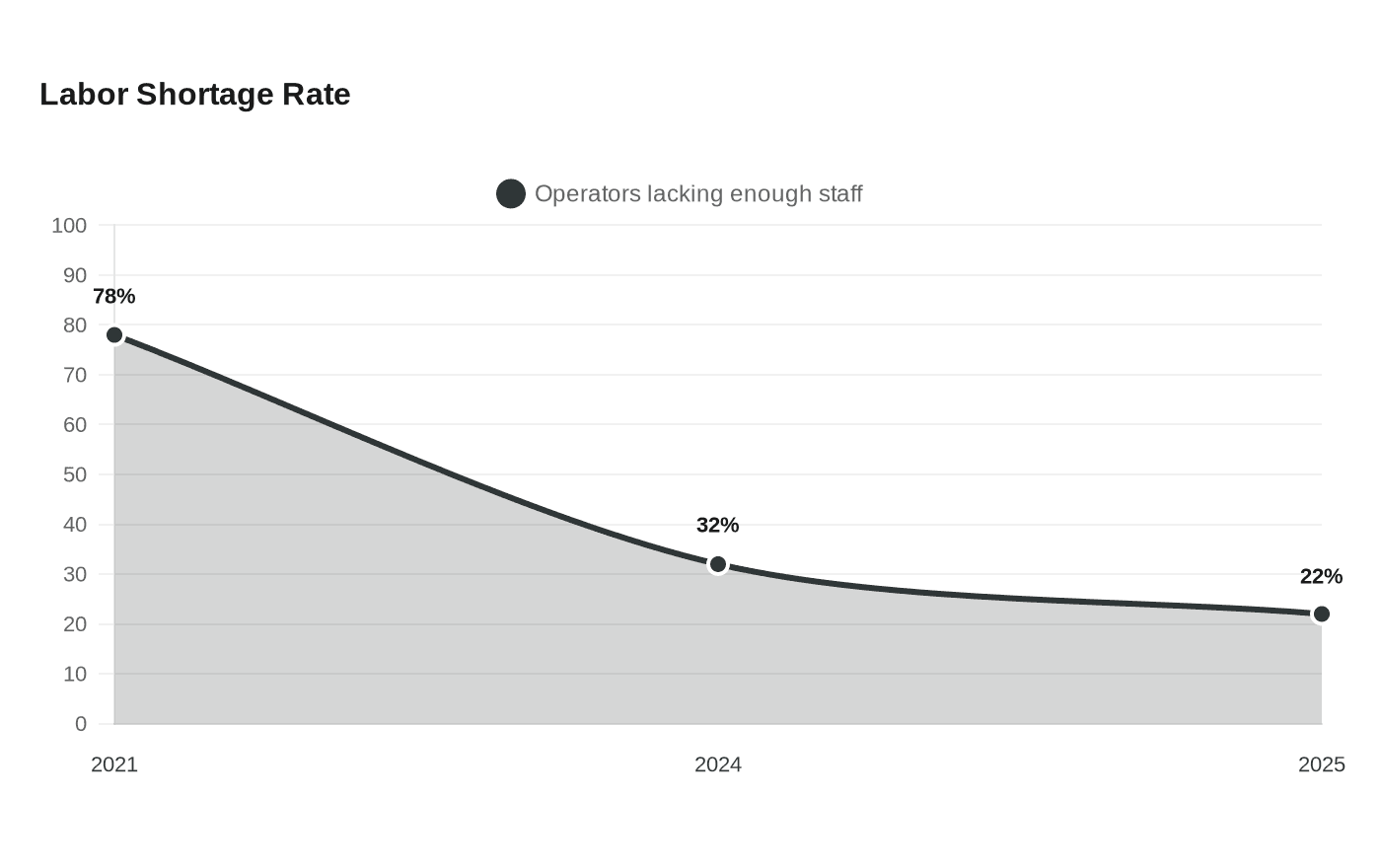
The broader labor market still looks hard for operators. TD Bank surveyed 253 restaurant franchise leaders in late 2025 and found 54% said a shrinking labor pool was their biggest concern in attracting and retaining talent. A separate industry survey found 22% of operators still lacked enough staff to meet consumer demand in 2025, down from 32% in 2024 and 78% in 2021, but still high enough to keep labor a live issue in fast food. For Taco Bell, hiring may stay active even when traffic cools, because the fight is now about who can hold onto workers long enough to keep stores running well.
This article was produced by Prism’s automated news system from verified source data, official records, and press releases, then run through automated quality and moderation checks before publishing. The system is built and supervised by the people who set the standards it runs under. Read our full AI policy.
Know something we missed? Have a correction or additional information?
Submit a Tip