Taco Bell’s digital push highlights restaurants’ tech overload problem
Taco Bell’s app, kiosks and voice AI show the upside of digital ordering and the mess that follows when stores inherit more systems than they can absorb.
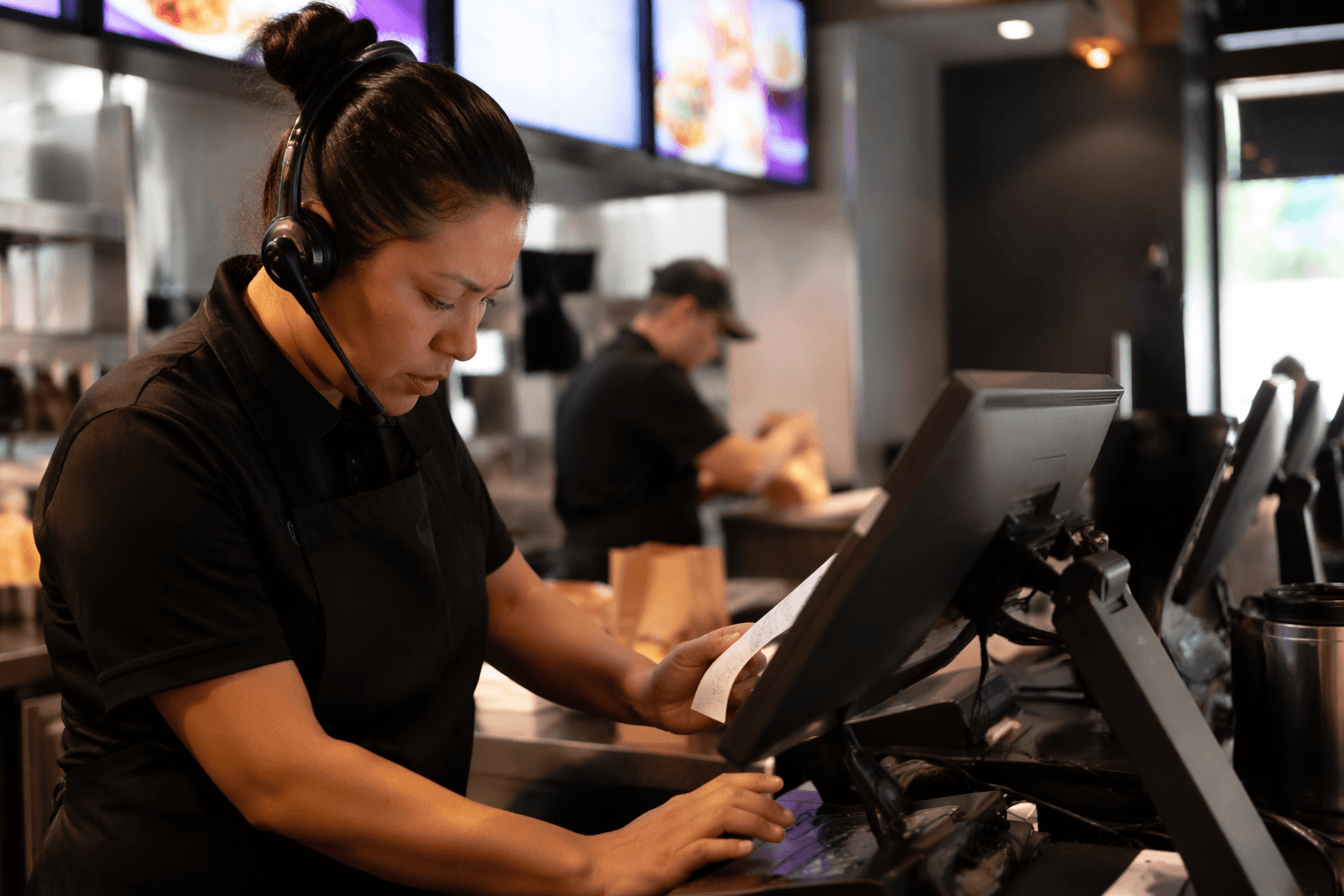
Taco Bell’s digital push is built around speed, but on the floor it can feel like the opposite: more screens, more handoffs and more chances for a rush to go sideways. The brand has spent years layering in app ordering, kiosk checkout, drive-thru check-in and voice AI, all while asking crews to keep the line moving and the guest experience intact. That is the central workplace problem in quick service right now: technology only helps if it removes friction instead of handing it to the people taking orders, making food and managing the shift.
When more technology becomes more work
Restaurants did not get into trouble because they used too little technology. They got into trouble when they adopted online ordering, delivery, QR codes, ghost kitchens, virtual brands, robots and a wave of AI faster than they built the systems to make those tools work together. That is the real warning for Taco Bell crews and managers. A new tool that makes inventory harder to count, labor harder to schedule or the line harder to keep moving does not make the store better, it just makes the store busier.
For crew members, the difference shows up as extra screen work and more systems to learn. For shift managers and restaurant managers, it shows up as coordination work: more places where orders can break, more moments when a guest needs help, and more chances for the front counter, kitchen and drive-thru to stop speaking the same language. Bad tech can feel like extra labor disguised as innovation.
What Taco Bell has already added to the shift
Taco Bell Rewards now lets customers earn and redeem points in the app, kiosk and drive-thru, which sounds simple until you think about how many places a single order can enter the system. Taco Bell has also pushed a check-in system for drive-thru and kiosk use, another layer meant to organize traffic but one that can just as easily become another step for workers to explain or troubleshoot. The company has said its technology teams worked to integrate systems for the Rewards platform, and that team members and customers tested the experience, which tells you how much of the work was not the guest-facing feature but the plumbing behind it.
That matters because the success of digital service in a Taco Bell is not just whether a guest can tap an app. It is whether the order lands cleanly, the kitchen can read it, the labor plan can absorb it and the crew does not spend half the shift untangling mismatched screens. In a restaurant built on speed, the best technology is the kind that vanishes into the routine instead of demanding attention every few minutes.
Defy showed how long Taco Bell has been chasing a faster model
The company’s Defy concept makes clear that this is not a new obsession. Taco Bell announced the Brooklyn Park, Minnesota, location on August 12, 2021, and said it would open by summer 2022. The design was intentionally aggressive: a two-story, four-lane drive-thru aimed at reducing service times to two minutes or less. That was not a decorative experiment. It was a bet that the future of the brand would be built around throughput, drive-thru flow and technology-driven ordering lanes.
Defy also shows the difference between a flashy concept and a usable operating model. A store can be designed for speed, but if the systems behind the counter do not align, the promise of faster service can collapse into more complexity for the people actually running it. That is why the industry’s tech overload problem is so relevant to Taco Bell. The brand has been trying to redesign service for years, but the floor still decides whether a concept feels like efficiency or just another layer of moving parts.
Voice AI is no side project anymore
Yum Brands made clear in July 2024 that hundreds of Taco Bell U.S. drive-thrus would use voice AI by the end of that year. Before the broader rollout, reports said Taco Bell already had voice AI in more than 100 drive-thrus across 13 states. By late 2024, industry coverage said the system had processed more than 2 million orders and was running in about 300 U.S. locations. That is no pilot sitting on the sidelines. That is an operating model that is already part of how the chain handles demand.

In March 2025, Taco Bell chief digital and technology officer Dane Mathews said the drive-thru was ready for a “reinvention” centered on voice AI, digital menu boards and connected loyalty. He also said restaurants using voice AI have seen improved employee retention, a reminder that the company sees this technology as more than a customer-facing novelty. If it really reduces repetitive order-taking and lets workers focus on food and service, it can change the job. If it mishears guests, forces overrides or creates more correction work, it just moves the burden around.
The money behind the strategy tells the same story
The stakes are high because Taco Bell’s digital business is now a core part of Yum’s performance. In 2025 reporting, Yum said systemwide digital sales topped $9 billion and made up 57% of sales. Yum’s 2025 chairman’s letter said Taco Bell app and loyalty changes helped drive a 34% year-over-year increase in digital sales. The brand was also a clear growth driver in Yum’s results, including 5% U.S. same-store sales growth in the fourth quarter of 2024.
Those numbers show why Taco Bell keeps investing in more digital layers. The company is not treating app ordering, loyalty, kiosks and voice AI as side projects. It is building a store model around them. The question for employees is not whether the technology is impressive. It is whether the technology makes the shift simpler, the station clearer and the rush easier to survive.
What crews and managers should look for
The best test of any new restaurant tool is simple: does it reduce friction for the people on shift?
- For crew members, good tech means fewer duplicate steps, cleaner order flow and less time fixing avoidable errors.
- For shift managers, good tech means better labor visibility, fewer overrides and fewer surprises between the counter and the kitchen.
- For restaurant managers, good tech means smoother throughput, better inventory control and service that feels faster without pushing extra coordination onto the floor.
Taco Bell’s digital strategy may keep growing because the sales results are real. But the workplace lesson is sharper: in quick service, the winners will not be the chains with the most screens. They will be the ones that make the fewest of those screens matter to the crew.
This article was produced by Prism’s automated news system from verified source data, official records, and press releases, then run through automated quality and moderation checks before publishing. The system is built and supervised by the people who set the standards it runs under. Read our full AI policy.
Know something we missed? Have a correction or additional information?
Submit a Tip