Taco Bell leans on value, nostalgia as younger diners seek familiarity
Cheap meals are bringing customers through the door, but Taco Bell crews still have to make every order feel fast, familiar and worth the trip.

Cheap meals may win the sale, but they do not make the rush any easier. At Taco Bell, the pressure now falls on crews to turn a value promise into a smooth, consistent visit, because price-sensitive customers are still showing up with higher expectations for speed, accuracy and a familiar experience.
Why familiarity is beating adventure
The bigger consumer story is not just that people want less expensive food. Technomic’s view of the U.S. customer points to overextended diners who still go out for social time and better food quality, while younger consumers increasingly want authentic connections, better service and less dependence on technology. That same read says younger diners are leaning toward familiar flavors instead of menu adventure, and legacy brands are benefiting from nostalgia.
That pattern helps explain why Taco Bell keeps leaning into recognizable items, value tiers and fan-tested launches. If customers are stressed but still willing to spend on something that feels known, quick and worth it, then the restaurant has to deliver more than a cheap price. It has to deliver confidence that the order will come out right, the line will move, and the visit will not feel like a gamble.
What the Luxe Value Menu means on the floor
Taco Bell’s Luxe Value Menu, which launched nationally on January 22, 2026, puts that strategy into a sharper operational frame. The menu includes 10 items priced at $3 or less, with five new items and five fan favorites carried over from the Cravings Value Menu. Rewards members got early access beginning January 16 through the app or by checking in at the drive-thru or kiosk.
For crew members, that kind of rollout changes the pace of the daypart. Value menus tend to create spikes in demand because they pull in customers who are actively watching their spend and often comparing the chain’s deals to competing fast-food options. That means more questions at the speaker, more item customization, and more pressure on the line to keep the handoff clean when the store is already busy.
Taco Bell framed the menu around the idea that value should never mean compromise, and chief marketing officer Luis Restrepo said the company used extensive fan testing to create an elevated experience at an accessible price point. On paper, that sounds like marketing language. In practice, it means team members are being asked to make a low-cost transaction feel polished enough that customers do not treat it like a budget afterthought.
Nostalgia is not decoration, it is traffic
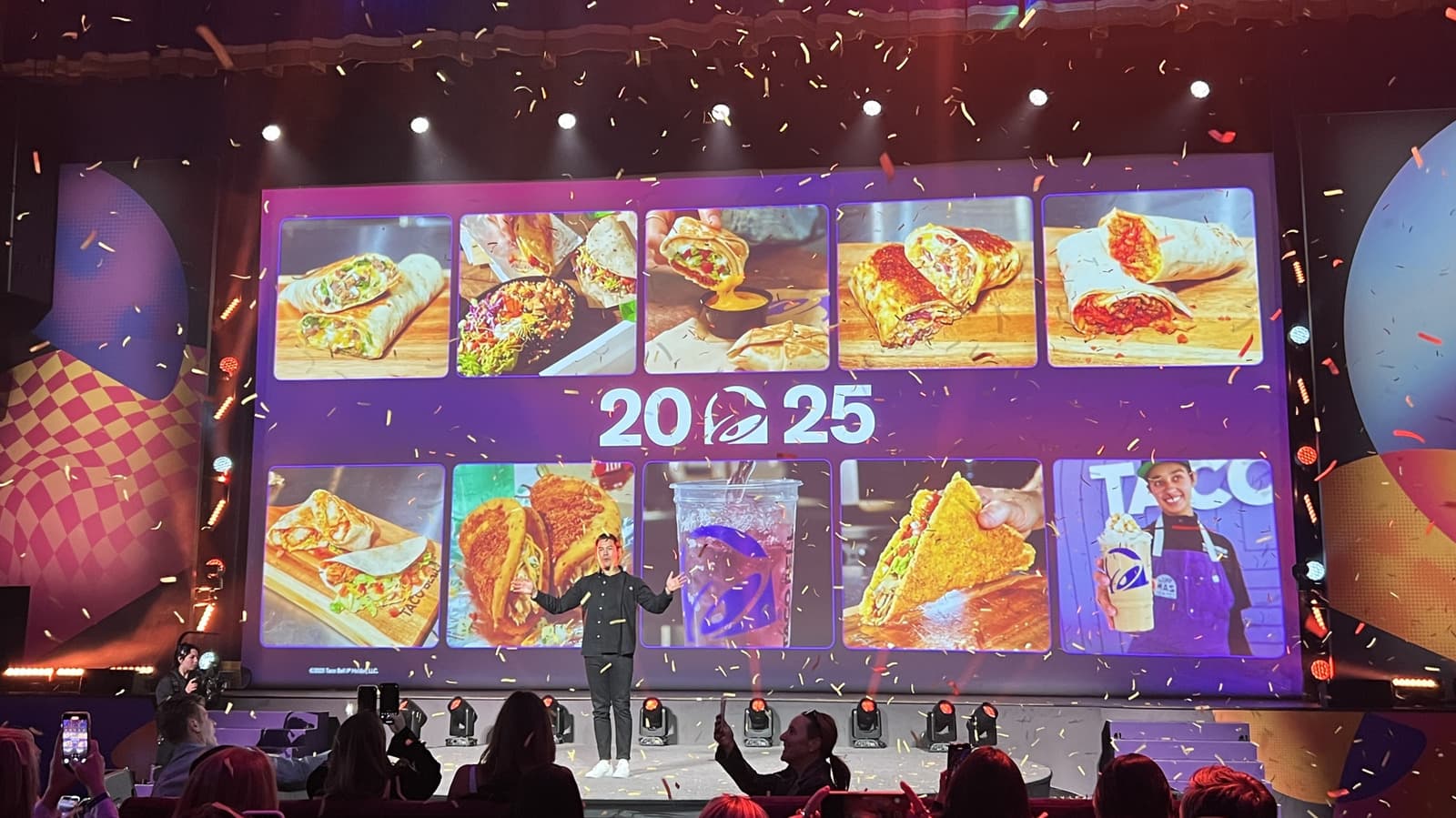
Taco Bell has also made nostalgia part of the operating model, not just the branding. In August 2025, the chain brought back five Y2K-era favorites in its Decades Y2K Menu, each priced at $3 or less. The lineup included the Cool Ranch Doritos Locos Taco, Caramel Apple Empanada, 7-Layer Burrito, Double Decker Taco and Chili Cheese Burrito.
That kind of menu mix matters because it gives customers a reason to come in that does not depend on novelty alone. A familiar item can cut through hesitation for a guest who is watching every dollar, and it can also help the store convert emotional interest into actual traffic. For the people on shift, nostalgia is not just a marketing theme. It is another wave of orders to get right, especially when guests are coming in specifically because they want a product they remember.
The business case behind the strategy
The numbers show why Taco Bell keeps investing in this formula. The company said it reached $1 billion in operating profit in 2024, delivered U.S. same-store sales growth in all four quarters of that year, and opened 347 gross new locations across 25 countries, bringing its total to 8,757 restaurants. Taco Bell’s 2025 strategy, called R.I.N.G. the Bell, tied growth to menus, service, operations and tech, which is a clear sign that leadership sees the customer experience and the labor model as linked.
That link showed up again in 2026. Yum! Brands reported Taco Bell’s U.S. same-store sales rose 8% in the first quarter, and Reuters reported in April 2026 that cheaper meal options helped drive demand at Taco Bell and helped Yum beat Wall Street estimates. For store managers, that kind of performance usually means the value play is working, but it also raises the stakes. When traffic responds to lower-priced offers, the store still has to absorb the volume without letting service slip.
Why service consistency matters more when customers are stretched
The hardest part of a weak-sentiment environment is that customers may be more forgiving about price than about friction. A guest who comes in because a Luxe Value Menu item feels affordable may still react quickly to a slow handoff, a wrong order or a messy dining room. That is where the burden on crew members becomes especially visible: the job is not only to move food, but to make the visit feel easy, familiar and worth the trip.
Taco Bell’s rewards and tech tools are built to support that. Members can earn points in the app, kiosk or drive-thru, redeem rewards every 250 points and unlock early access to products. Yum also said in 2024 that voice AI would expand to hundreds of Taco Bell U.S. drive-thru locations, with the aim of improving the ordering experience for both consumers and team members. That kind of rollout only works if the store team can keep the experience smooth when digital orders, drive-thru orders and in-store traffic all hit at once.
The broader lesson for Taco Bell teams
Taco Bell is reading the market correctly when it leans on value and nostalgia. Younger diners are not necessarily chasing the most adventurous menu in the category; many want recognizable food, fast service and a brand that feels steady when money is tight. The challenge for the people running the stores is that this consumer mood does not reduce the workload. It raises the expectation that every shift will deliver the same thing, quickly and accurately, even when the line gets longer and the frustration gets louder.
That is the operational truth behind Taco Bell’s current playbook: value brings them in, familiarity keeps them comfortable, and service consistency decides whether they come back.
Know something we missed? Have a correction or additional information?
Submit a Tip
%3Amax_bytes(150000)%3Astrip_icc()%2Far-TacoBell_ShreddedBeefNachoFries_800x469-42744d1b0b0945d48fa6b976df848651.jpg&w=1920&q=75)