Taco Bell managers get federal labor rules reference from Labor Department
Taco Bell managers can start with one DOL toolkit for wages, minors, tips and records, then check state law before they act.
A Taco Bell manager facing a question about a teenager’s hours, a tipped-pay issue or a missing punch can start with one federal page instead of hunting through labor law. The U.S. Department of Labor’s Restaurant Employment Toolkit is designed to help employers understand their basic responsibilities under labor laws enforced by the Wage and Hour Division, and on January 26, 2026, the agency rolled out new compliance-assistance resources and revamped toolkits to help employers prevent violations.
That matters in a brand like Taco Bell, where Yum! Brands says its system spans more than 63,000 restaurants in 155-plus countries and territories and is operated primarily by about 1,500 franchisees. Taco Bell’s careers pages also frame the ladder around team members, shift leads, restaurant leaders and general managers, which is the kind of fast-moving structure where labor questions often land on the person running the shift before they reach anyone with a title that sounds like HR.
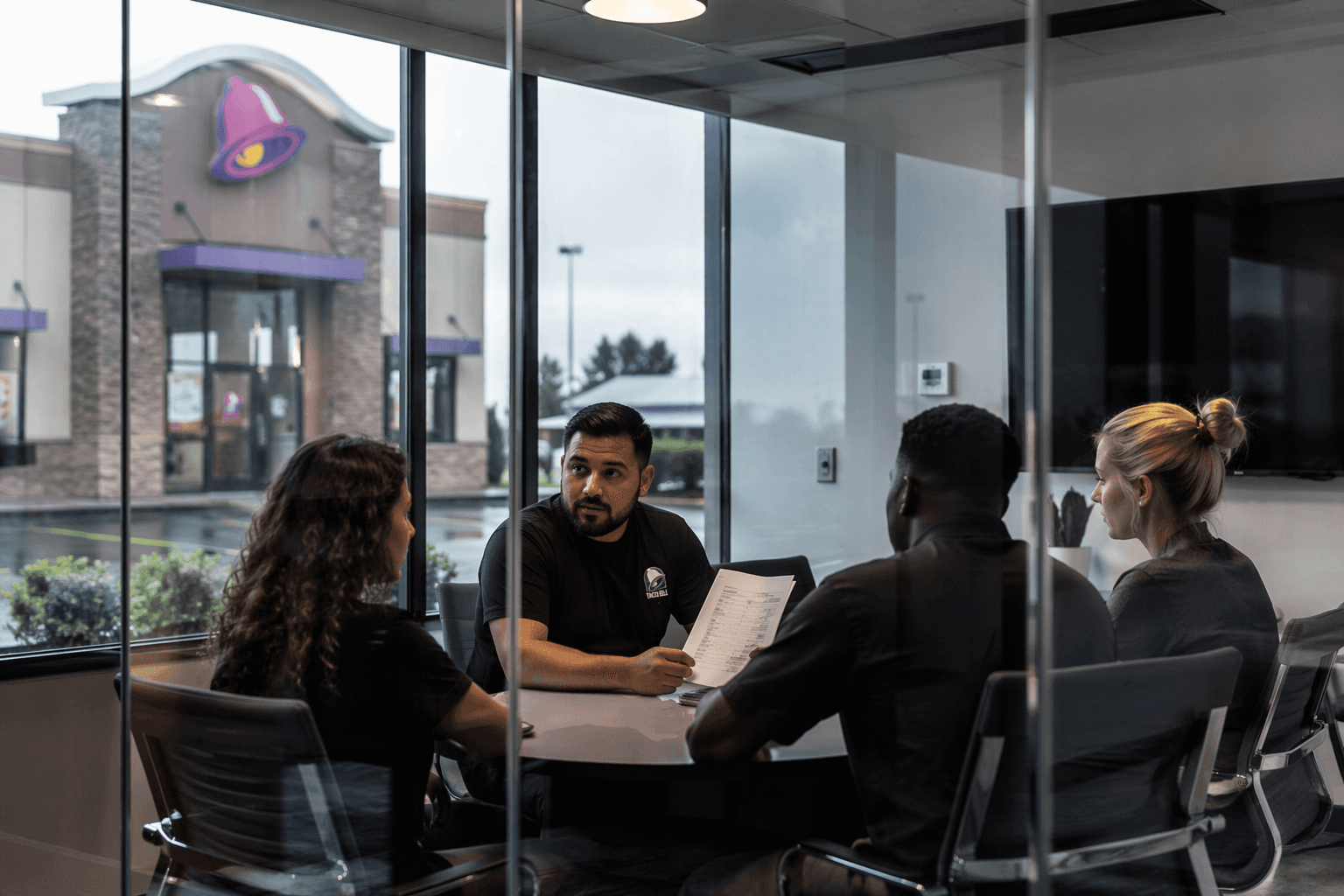
A first stop for wage, hour and scheduling questions
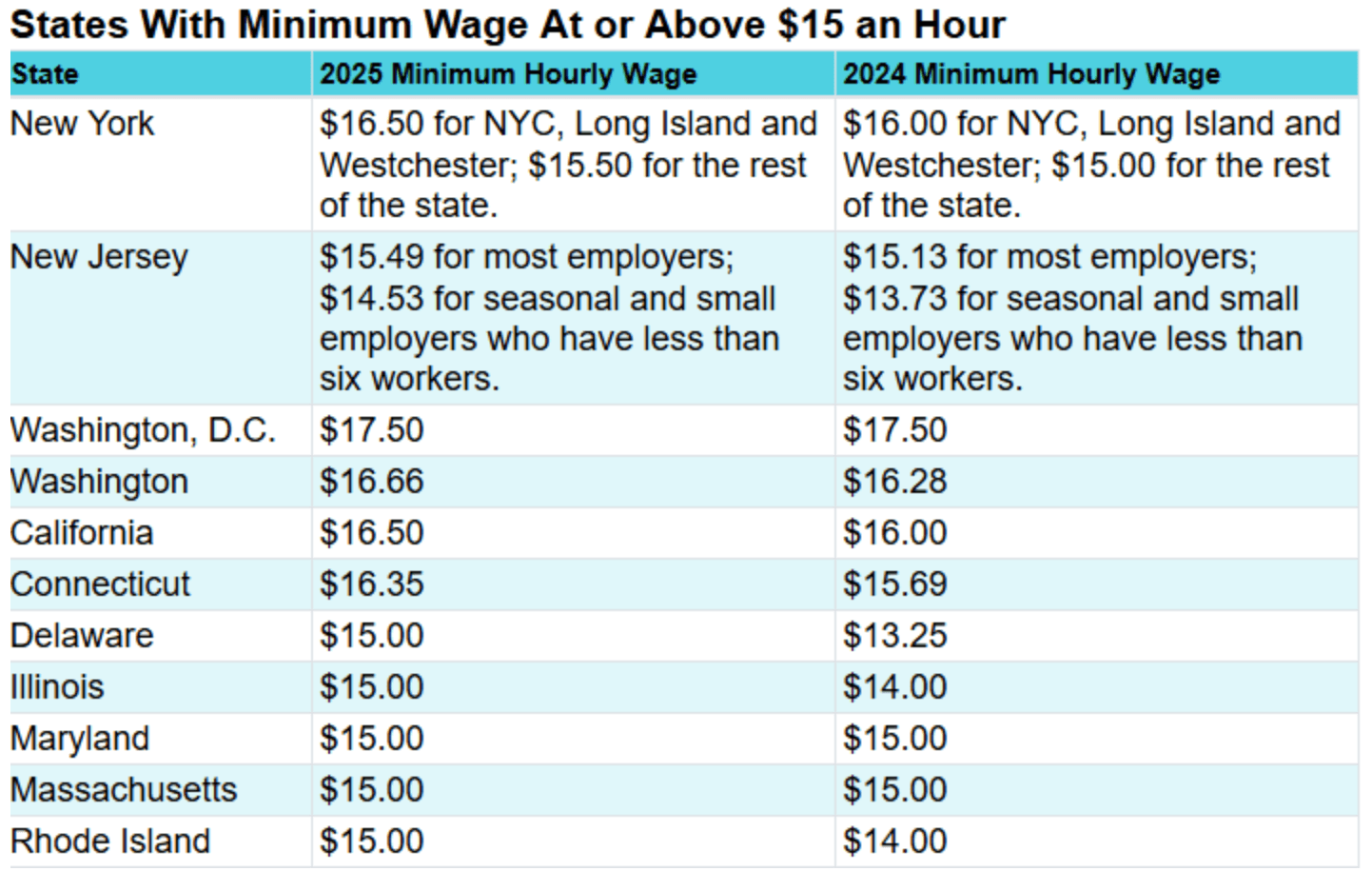
The toolkit is useful because it gives managers the federal baseline on pay. The Fair Labor Standards Act covers restaurants and fast-food businesses with annual gross sales from one or more establishments totaling at least $500,000, and covered nonexempt workers are entitled to a federal minimum wage of at least $7.25 an hour plus overtime after 40 hours in a workweek. The Department of Labor’s general guidance also makes clear that deductions cannot drag pay below the minimum wage or cut into overtime due, so any payroll adjustment tied to shortages, uniforms or other store-level issues deserves a second look before it hits a paycheck.
The practical value for a Taco Bell manager is speed. A clean answer on wages, overtime and deductions can keep a store from turning a simple schedule change into a payroll fix-up, and it gives crew members a clearer way to spot when a timecard or paycheck does not match the hours they actually worked. That is especially important in quick-service restaurants, where one shift leader may be juggling labor targets, line speed and guest flow at the same time.
Where the toolkit stops and state law takes over
The toolkit is also explicit about its limits: some states give workers additional rights and protections, and employers must comply with both federal and state law. That warning matters most on breaks, because the FLSA does not require meal periods or rest breaks, short breaks of 5 to 20 minutes are generally counted as hours worked if the employer allows them, and state rules can be more protective than federal law. In other words, the federal answer may tell a manager what is allowed, but the state answer may tell that manager what is required.
Tips are another area where managers need the rule in hand before they act. Under federal law, a tipped employee is someone who customarily and regularly receives more than $30 a month in tips, and the Department of Labor says an employer claiming a tip credit must still make sure cash wages plus tips reach the minimum wage and overtime obligations that apply. Even at a mostly counter-service brand, that definition matters when a local pay plan, delivery work or a state rule brings tips into the mix.
Youth labor needs extra attention
Youth labor is where a manager’s checklist has to get more precise. The DOL’s restaurant child-labor materials say restaurants commonly run into trouble when minors work longer or later than legally allowed or are assigned prohibited tasks, and the agency’s youth toolkit warns that some states add more protections on top of federal law. Federal rules limit 14- and 15-year-olds to specific hours, while workers under 18 cannot perform hazardous occupations; 16- and 17-year-olds can work unlimited hours only in jobs that are not barred as hazardous.
For a Taco Bell store, that means the manager who closes the shift needs to know more than just who is available to work. A late weekend rush, an extra fryer assignment or a last-minute change to a teen’s schedule can create a child-labor problem if the manager is not checking the legal limits as carefully as the labor chart.
Records are the paper trail that protects the store
Recordkeeping is the less visible side of the job, but it is what turns a wage question into a documented answer. Every FLSA-covered employer must keep accurate records for each covered, nonexempt worker, including identifying information, hours worked and wages earned, and the DOL’s employer resources are built around tools, fact sheets, posters and guidance meant to make that job easier. For managers, that means the schedule, timeclock data and payroll records are not back-office paperwork, they are the store’s defense when a pay dispute starts.
The reason this matters at Taco Bell is plain in the DOL’s own enforcement history. In July 2022, the agency said Taco Bell franchisee Hagan and Hagan Inc. paid 31 managers a mix of salary, nondiscretionary bonuses, incentives and commissions in a way that violated overtime rules, and investigators said more than 10 percent of the managers’ salary came from those extras. In April 2023, the department recovered $22,744 for 12 workers at a Taco Bell in Spencer, Iowa, operated by Haza Bell of Nebraska LLC, with $11,372 in back wages matched by liquidated damages.
For a Taco Bell manager, the smart move is to use the restaurant toolkit as a recurring checklist, then verify the answer against state law, franchise policy and any HR or payroll direction before changing a schedule or sending a paycheck. That is the difference between a clean close and a wage dispute that keeps costing time long after the rush is over.
This article was produced by Prism’s automated news system from verified source data, official records, and press releases, then run through automated quality and moderation checks before publishing. The system is built and supervised by the people who set the standards it runs under. Read our full AI policy.
Know something we missed? Have a correction or additional information?
Submit a Tip