Taco Bell managers need to follow higher state minimum wages, DOL says
Taco Bell pay checks start with the highest local wage, not the federal floor. In California, Washington and D.C., the posted rate is far above $7.25.
Before a Taco Bell manager builds a schedule, approves payroll, or posts a hiring rate, the first check is simple: find the highest wage that applies to that store’s address. The federal minimum wage is still $7.25 an hour, but under U.S. Department of Labor rules, workers covered by both state and federal law are entitled to the higher rate, and many Taco Bell locations sit in states or cities where the floor is well above $7.25.
Start with the state floor, then look for the local overlay
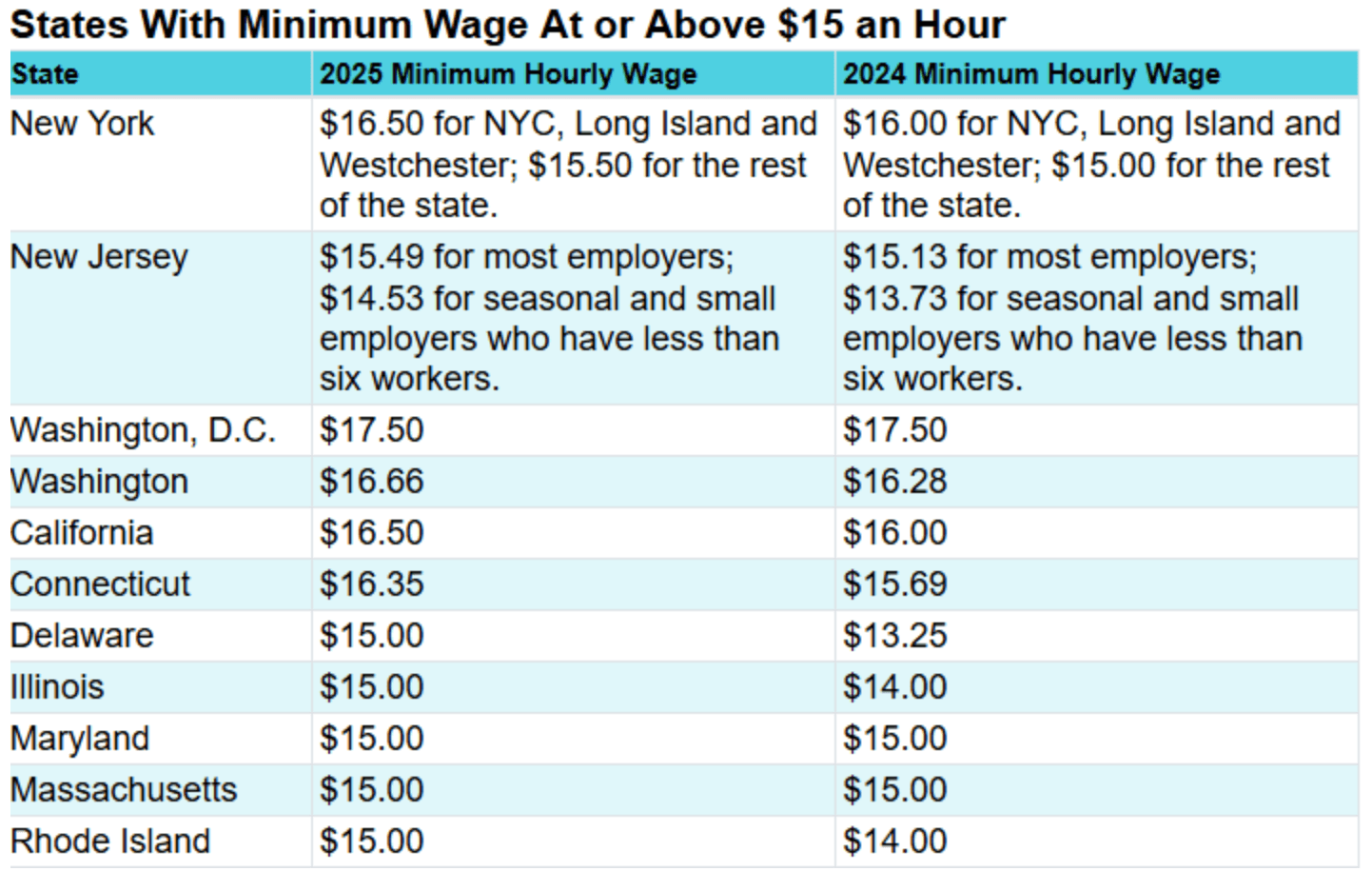
The gap is wide in the DOL’s consolidated minimum wage table. California is listed at $16.90, Washington at $17.13, and the District of Columbia at $17.95, while Alabama has no state minimum wage law and defaults to the federal $7.25 for employers covered by the Fair Labor Standards Act.
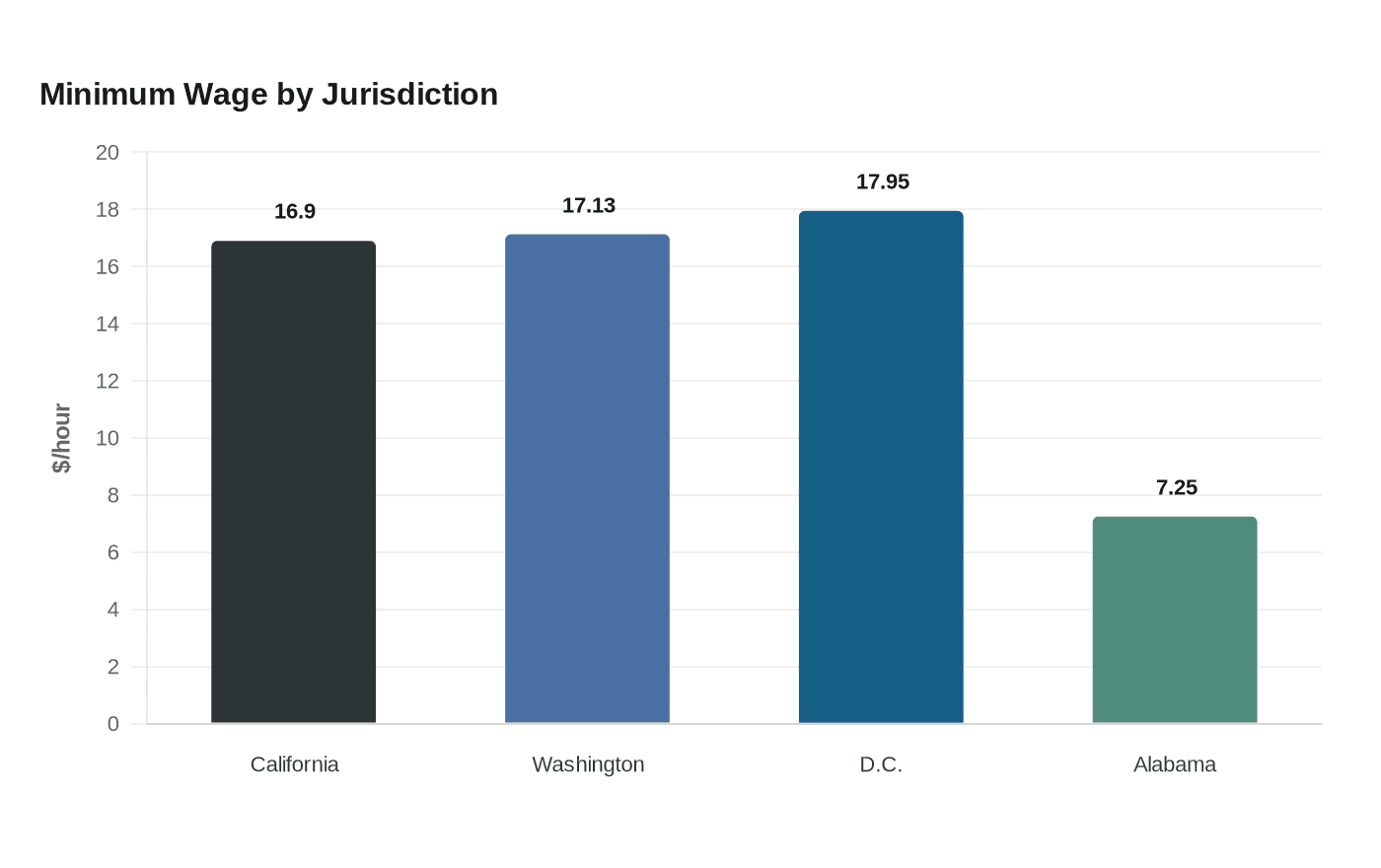
In a chain like Taco Bell, the workforce is split between corporate-owned restaurants and independently owned and operated franchisees, and each location can sit under a different wage regime. Positions are available at both corporate and franchised locations, and franchisees are responsible for their own employment practices. For workers, that means pay questions are often decided by the store’s address and ownership structure, not by the brand name on the sign.
California is the clearest example of why memory is not enough
California is the kind of market where a manager can get the number right and still miss an even higher rule. The state’s general minimum wage is $16.90 effective January 1, 2026, some cities and counties set higher local minimum wages, and covered fast food restaurant employees have a separate state minimum wage of $20.00 an hour. For a Taco Bell shift leader or payroll clerk, that means the wage check has to happen before the schedule is locked, not after the pay period closes.
The UC Berkeley Labor Center tracked only five localities with minimum wage laws before 2012; now it tracks 66 counties and cities with local minimum wages. Some local governments set minimum wages higher than their state floor, so a statewide rate can still be wrong in a county or city that has adopted its own ordinance.
Know the exceptions before you hire minors or trainees
Another layer of complexity is that some states exempt certain occupations or industries, and some set subminimum rates for minors or students or a training wage for new hires. That matters on Taco Bell’s front line, where staffing often includes younger crew members, first-job hires, and short training windows during busy periods. A manager who assumes one flat rate for every new hire can miss a legally lower training rate in one jurisdiction or a required higher rate in another.
A store using an old poster from another market can create payroll errors quickly, especially when annual increases or date-specific changes take effect during the year. The patchwork changes by jurisdiction, so a manager’s pre-shift habit should include verifying the current local rate before onboarding, scheduling, or posting pay bands.
Why the federal floor keeps falling behind
The broader pay debate helps explain why restaurant managers keep seeing higher local floors. The Economic Policy Institute dates the last federal increase to 2009, and USAGov identifies the Fair Labor Standards Act as the law setting the federal floor for covered workers. With the national rate frozen for so long, states and cities have moved on their own, and restaurant chains with broad footprints have had to absorb a checkerboard of wage rules.
The wage floor affects labor budgets, hiring offers, overtime planning, and whether a manager can trust the number already sitting in a template or old handbook. It also gives crew members a way to catch obvious mistakes early, especially when a store crosses a city line, a county line, or a state line and the pay rules change with it.
The highest applicable minimum wage controls, and a local ordinance, a youth rate, a training rate, or a special industry rule can push the number higher. In Taco Bell operations, that check belongs at the start of every scheduling cycle, every payroll review, and every hiring conversation.
This article was produced by Prism’s automated news system from verified source data, official records, and press releases, then run through automated quality and moderation checks before publishing. The system is built and supervised by the people who set the standards it runs under. Read our full AI policy.
Know something we missed? Have a correction or additional information?
Submit a Tip