Taco Bell shooting verdict underscores real safety risks for workers
A guilty verdict in a West Palm Beach Taco Bell shooting puts a hard question in front of crews: who keeps workers safe when a customer dispute turns violent?
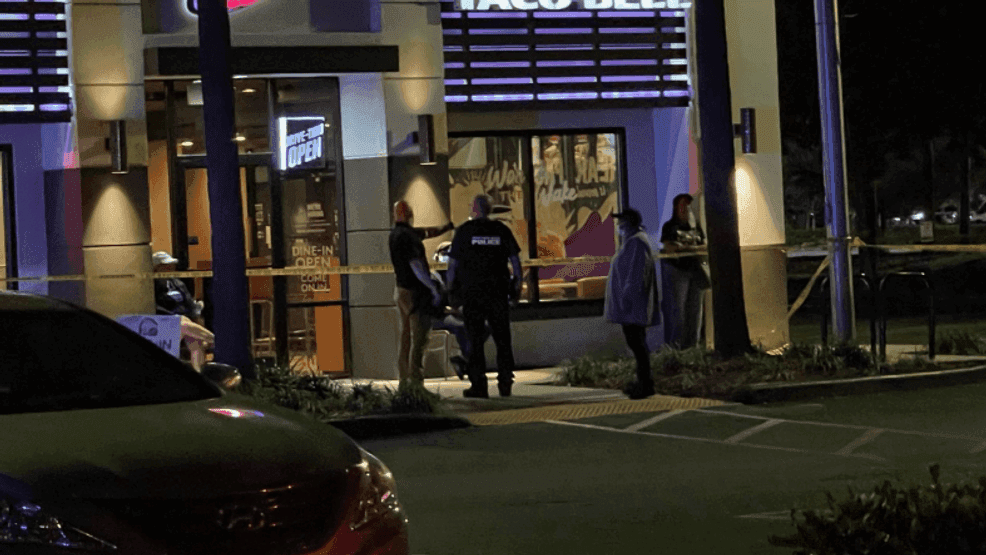
A jury’s guilty verdict in the West Palm Beach Taco Bell shooting case is a reminder that restaurant safety plans cannot live only on paper. Chevarus Stewart was convicted June 2 of attempted first-degree murder with a firearm, four counts of attempted second-degree murder and armed burglary, after prosecutors said he went behind the counter at the Taco Bell on 45th Street near Military Trail and opened fire on an employee shortly before 6 p.m. on Feb. 21, 2022. Two employees were struck, and four others were in the line of fire. Sentencing is set for June 22.
For Taco Bell crews, the case is less about the courtroom outcome than the shift-level reality it exposes. A late-afternoon customer conflict, a person crossing behind the counter and a gun all turned a routine restaurant into a crime scene in seconds. That is the kind of risk that matters most to workers who handle cash, work close quarters and keep restaurants moving with a small staff, often during late hours when fewer people are on site.
The Palm Beach County State Attorney’s Office said the convictions followed testimony that Stewart entered the restaurant and targeted an employee who was in a relationship with his then-girlfriend. Assistant State Attorneys David Gorlicki and Samir Margetic handled the prosecution. Stewart also had pleaded guilty to possession of a firearm by a convicted felon.
The case lands against a broader backdrop of restaurant violence concerns that OSHA has flagged for years. The agency says workplace violence includes threats, harassment, intimidation and physical assaults or homicide, and says it was the third-leading cause of fatal occupational injuries in the U.S., with 740 violent-act fatalities out of 5,283 fatal workplace injuries in 2023. OSHA identifies risk factors that fit fast-food work closely: exchanging money with the public, working alone or in isolated areas, working late at night and working in high-crime areas.
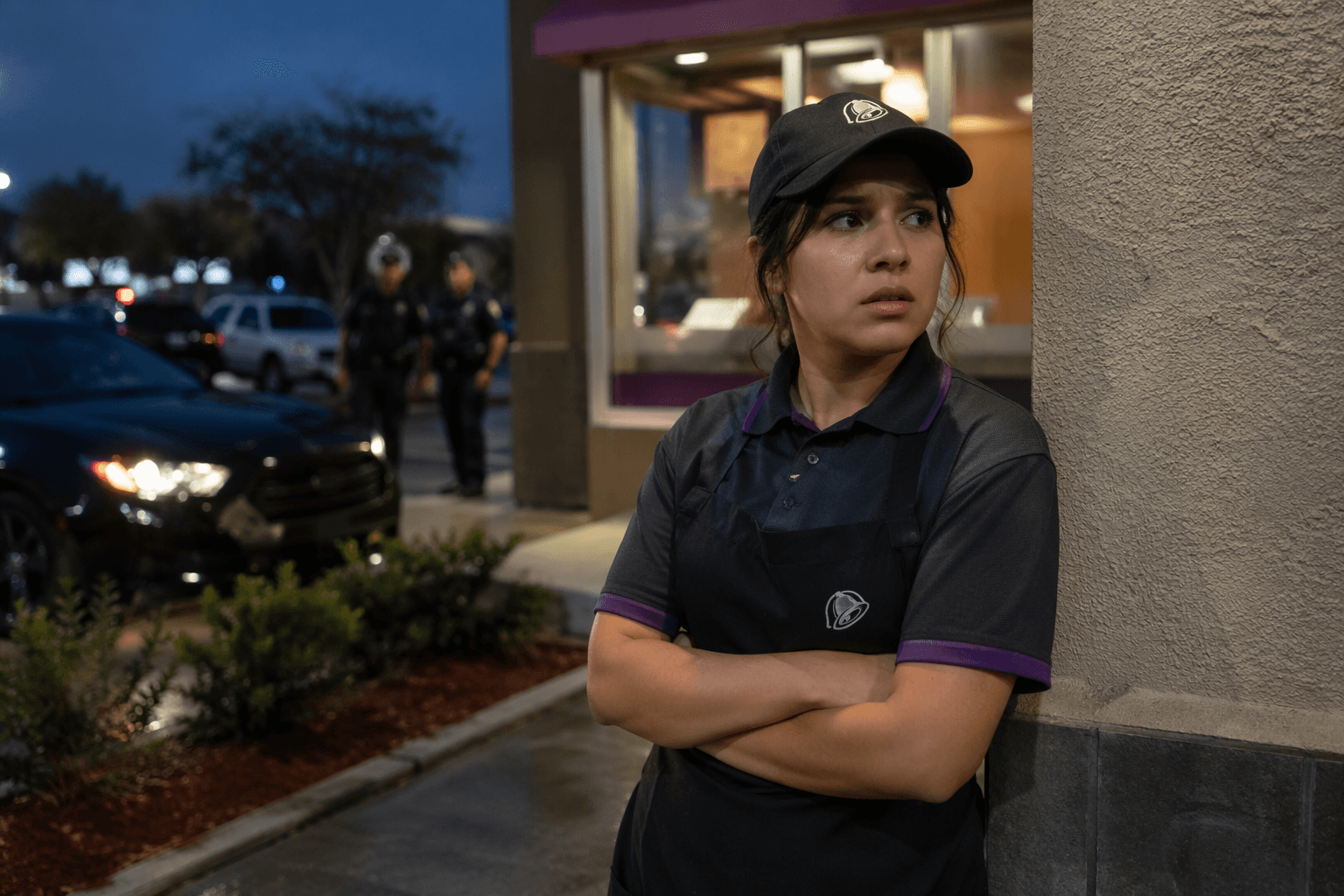
OSHA’s restaurant guidance goes further, warning that restaurants can be targets because of cash, late work hours and constant contact with the public. It also notes that young workers may be exposed to workplace violence at drive-thru windows. For Taco Bell, where drive-thru disputes and walk-up confrontations can move fast, that means managers need clear answers before trouble starts: who calls police, where crew members go if someone enters the restaurant aggressively, how threats are documented and what happens after an incident.
A separate West Palm Beach Taco Bell shooting in April 2026 showed how quickly a routine argument can escalate. Police said 20-year-old employee D’Mari Patterson was arrested after a dispute with customers over a water cup and soda allegedly turned into gunfire. One victim was struck, another bullet shattered a restaurant window, and all three customers later drove themselves to JFK North Medical Center for treatment of minor injuries. For workers, that sequence is the warning: the next confrontation can become a life-or-death decision in a matter of seconds.
This article was produced by Prism’s automated news system from verified source data, official records, and press releases, then run through automated quality and moderation checks before publishing. The system is built and supervised by the people who set the standards it runs under. Read our full AI policy.
Did this article answer your question?