Taco Bell tracks FABI trends toward faster, bolder menu innovation
Protein-heavy, easier-to-build menu ideas could shave seconds off Taco Bell rushes, but they can also add prep and holding pressure for crews.

What the FABI Awards signal for Taco Bell’s line
For Taco Bell crews, the biggest takeaway from the 2026 FABI Awards is not culinary buzz. It is the way the foodservice market is rewarding menu ideas that can move fast, taste loud, and still be easy enough to execute when the line is slammed. The National Restaurant Association Show named 28 winners this year, with 10 earning FABI Favorites, the program’s top distinction, and the mix leaned hard toward protein, global flavors, texture, operational efficiency, and ingredient simplification.

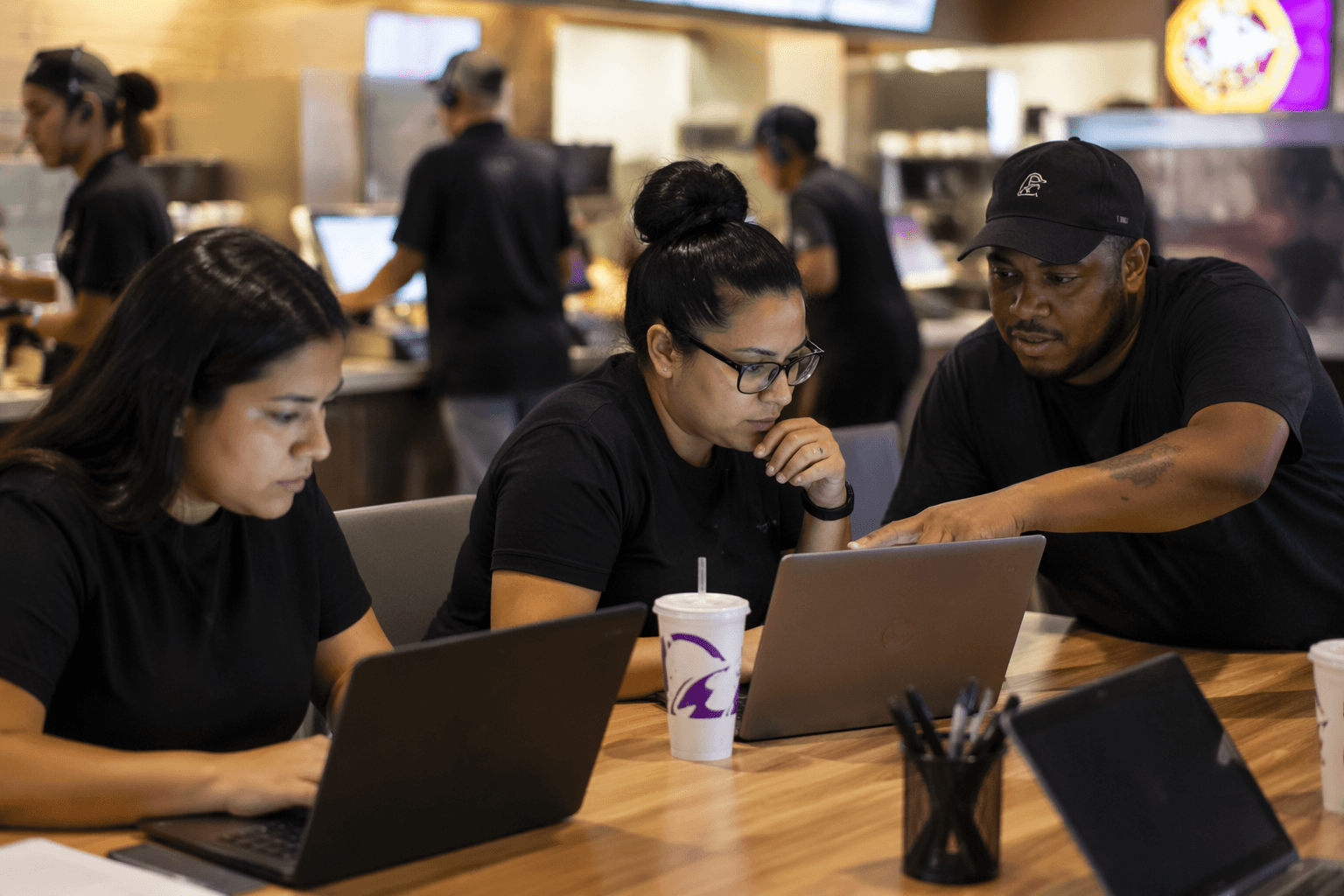
That combination matters in a Taco Bell kitchen because it mirrors the daily tension between novelty and speed. A good menu idea has to sell, but it also has to survive the lunch rush, the late-night rush, and the kind of staffing night where every extra step on a build slows the whole line. The awards will be on display in Chicago at McCormick Place, which makes them useful not as a trade-show trophy case, but as a preview of the kinds of items operators think can actually work at scale.
Why protein and texture change the job behind the counter
Protein-forward items sound simple from the customer side. From the crew side, they usually mean more prep, more portion control, and more decisions about hold time and product quality. Texture-heavy builds can also add steps, whether that means crisping, layering, saucing, or timing components so they land with the right bite instead of going limp in the window.
That is why the FABI emphasis on ingredient simplification is just as important as the emphasis on bold flavor. Simplified builds are easier to train, easier to repeat, and less likely to fall apart during a dinner rush when a new hire is on a speed rail and a shift manager is trying to keep ticket times down. In practical terms, the industry is rewarding products that can create a strong customer impression without turning the back line into a bottleneck.
For Taco Bell, that is exactly the operational sweet spot. The brand has long built its identity around fast builds, layered flavors, and ingredients that can be assembled quickly in a high-volume format. When a new item can deliver more protein or more texture without adding chaos to the prep table, it fits the way Taco Bell restaurants actually run.
Taco Bell is already betting on that balance
Taco Bell has been leaning into innovation for a while, and the company said in March 2025 that it planned to drive double the innovation in 2025 after reaching $1 billion in operating profit in 2024. That is not just a marketing line. It signals a chain willing to keep the menu moving, which means more testing, more limited-time offers, and more pressure on restaurant teams to absorb change without losing speed.
The current menu makes that strategy visible. Taco Bell’s menu page highlights both the Luxe Value Menu and the Cantina Chicken Menu, and it also features an online-exclusive Build Your Own Luxe Cravings Box. The Luxe Value Menu launched nationwide on January 22, 2026, with 10 items priced at $3 or less. Taco Bell said five of those items were new and five were returning fan favorites, a sign that the company is trying to pair novelty with familiarity instead of forcing stores to choose between the two.
That mix is important for operations. Returning favorites are easier to teach and faster to sell because crews already know the build logic. New items create buzz, but they also demand fresh training, tighter inventory discipline, and more coordination between prep and line crews. The more Taco Bell can package those launches around repeatable components, the less disruptive they are during peak periods.
Chicken is becoming the proof point
The clearest example of Taco Bell’s operational direction is chicken. Restaurant Dive reported that the premium Chicken Cantina menu shifted sales mix toward chicken by 10 points in 2024, while QSR reported that Taco Bell’s total chicken sales had risen by more than 50 percent over the prior two years and that chicken would likely remain a permanent platform in 2026. That tells restaurant teams something very concrete: protein is not just a passing theme, it is becoming part of the brand’s core loadout.
The permanent Cantina Chicken Rolled Quesadilla, which Restaurant Dive reported contains twice the meat of the previous Cantina Chicken Quesadilla and costs $6.69, shows how Taco Bell is using protein density as a value message. For workers, that kind of item can cut both ways. On one hand, a clearer permanent platform can make ordering and prep more predictable. On the other hand, doubling the meat or building a more layered item can raise the stakes on portioning, speed, and consistency if the line is already busy.
This is where the FABI lens becomes especially useful. The awards are not just celebrating tasty ideas. They are rewarding products that fit modern operator realities, and Taco Bell has already been moving in that direction with a chicken platform, multiple box structures, value menu architecture, and digital offers designed to streamline choice. When a chain has that much variety already baked into the system, every new protein-heavy launch has to justify itself in labor, speed, and training, not just in taste.
What crew members and managers should watch next
The most likely result of these market signals is more menu items that try to do three things at once: hit harder on flavor, read as premium or bolder to guests, and stay simple enough for stores to execute quickly. That may mean fewer completely new construction methods and more reuse of existing components, sauces, and proteins. It may also mean tighter specs, because once a menu item is tied to speed, every extra variable becomes a liability.
For shift managers, the practical question is not whether innovation is coming. It is whether each new item adds a manageable amount of prep or creates another layer of work during the rush. For crew members, the day-to-day effect will show up in the little things that define a shift: how many steps a build takes, how often you have to check a hold, how much training a new item demands, and whether a launch makes the line feel smoother or more crowded.
That is the real lesson from the 2026 FABI Awards. The foodservice ideas getting the most attention are the ones that can deliver bold taste while making the operator’s job easier, not harder. At Taco Bell, where speed and consistency are always part of the brand promise, that kind of innovation is likely to keep shaping the menu, and the work, well beyond this year’s show floor.
This article was produced by Prism’s automated news system from verified source data, official records, and press releases, then run through automated quality and moderation checks before publishing. The system is built and supervised by the people who set the standards it runs under. Read our full AI policy.
Did this article answer your question?