Taco Bell workers face growing workplace rights push amid ICE raid fears
ICE raid fears are now a shift-floor issue at California Taco Bells, changing attendance, trust, and the rights workers expect managers to protect.
What is changing on the floor
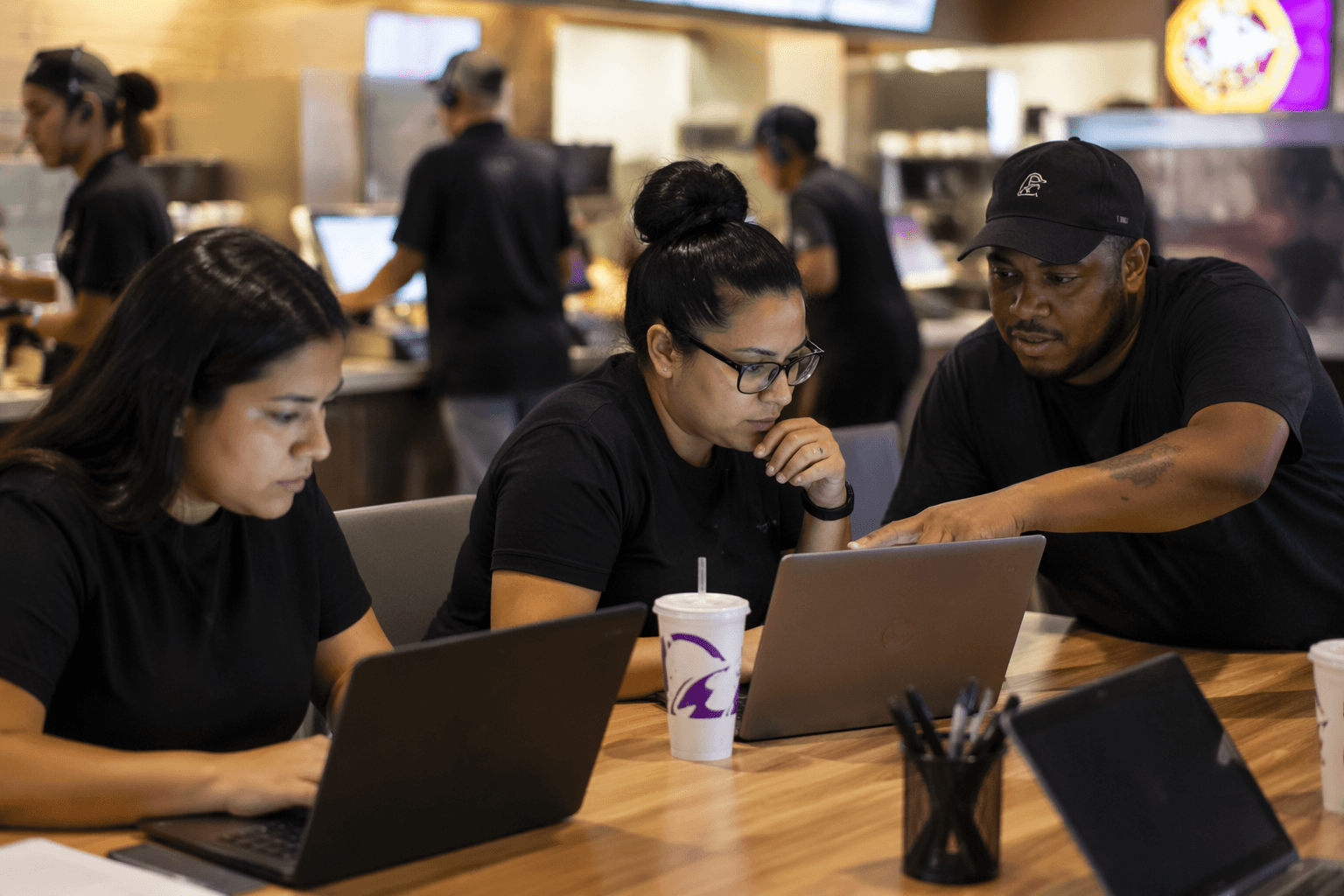
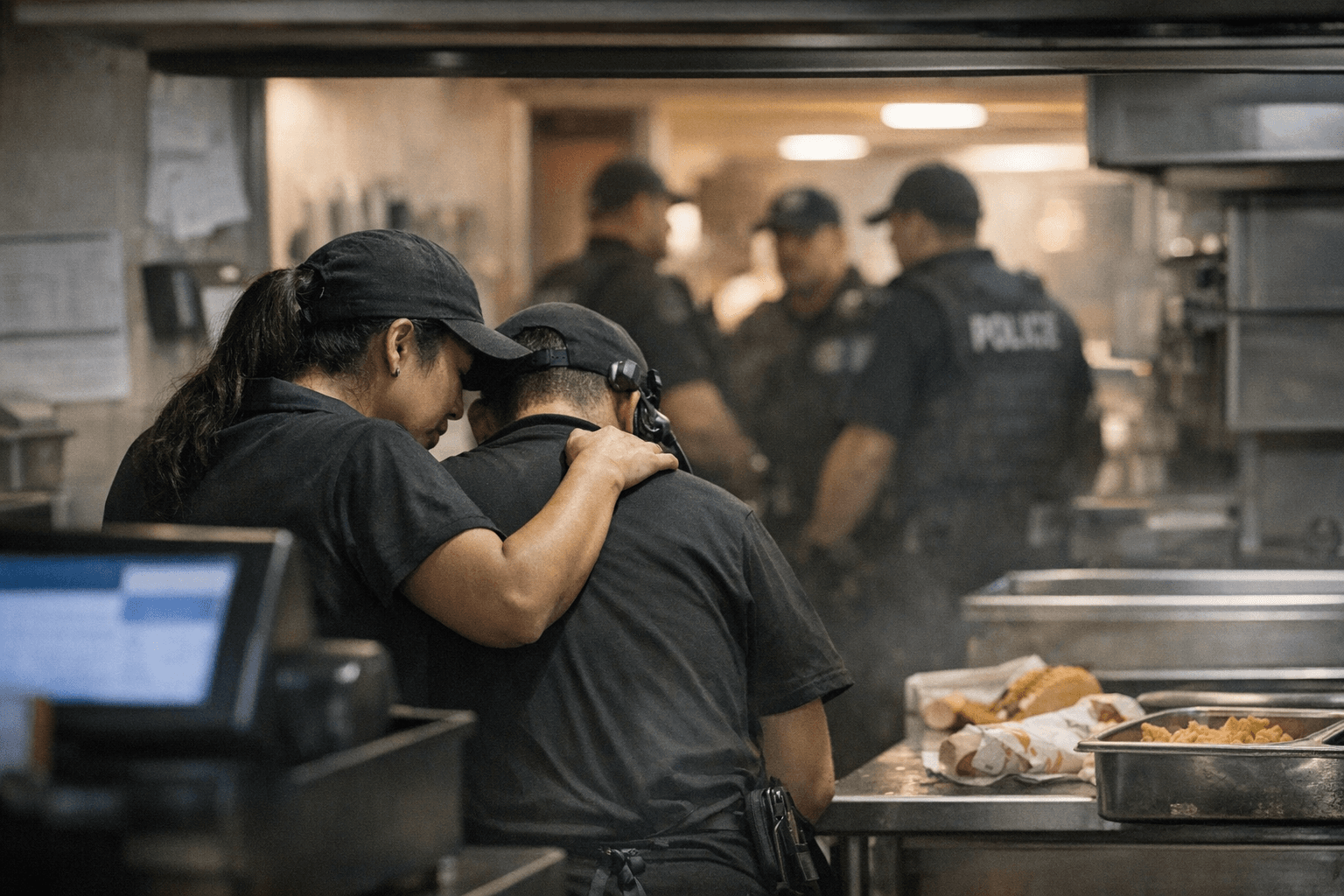
At California Taco Bells, immigration fear is no longer just a political mood in the background. It is becoming a practical workplace issue that can shape whether crew members show up, whether they stay quiet when something feels off, and whether they trust a manager enough to ask for help.
That matters because the fast-food workforce is not abstract. Roughly 60 percent of California fast-food workers are Latino, nearly two-thirds are women, and more than a quarter are immigrants. In a business built on tight labor, bilingual crews, and constant coverage for lunch rushes, late nights, and weekends, anxiety about ICE raids can quickly turn into an attendance problem, a retention problem, and a communication problem.
Why Santa Clara County’s move matters
Santa Clara County recently approved a training program meant to educate fast-food workers about their workplace rights, and that kind of local action says a lot about where the issue is headed. Workers are not only asking for better pay, they are asking for a clear response plan when immigration enforcement enters the picture.
For Taco Bell crews, that can be the difference between a shift that keeps moving and a shift that falls apart. If workers know what to do, who to call, and what protections they already have, they are less likely to panic, leave early, or stop speaking up about schedules, documents, or safety concerns. If they do not know those basics, the fear can spread fast through a store.
What workers are asking employers to sign
The organizing push now includes a rights pledge from workers aligned with the SEIU-affiliated California Fast Food Workers Union. The pledge asks employers to keep ICE out of nonpublic areas without a warrant, protect worker privacy during enforcement activity, and support employees if immigration action happens at work.
That is a direct challenge to how many workers think about management. At a Taco Bell, the people most likely to be asked to respond first are shift leads, assistant managers, and franchise owners, not executives sitting far away from the store. The demand is simple in theory but serious in practice: workers want a written promise that management will not improvise under pressure, and that it will protect them rather than exposing them.
For franchisees, that is not a side issue. It is a labor-relations test that can affect staffing, morale, and whether a crew believes the store has their back when something goes wrong.
What California law already says
California already gives workers concrete protections, and those protections are important because they outline what managers are expected to do differently. The state’s worker-rights notice says employers cannot voluntarily let immigration enforcement enter non-public workplace areas without a judicial warrant. It also says employers must post notice within 72 hours if they receive an immigration inspection notice, and workers can designate an emergency contact if they are detained at work.
Those details are not just legal fine print. They are the backbone of a real store-level response plan. Managers who know the rules can avoid mistakes that make a stressful situation worse, while managers who do not know them may create confusion that spreads through the whole shift.
- Do not open non-public areas to immigration enforcement without a judicial warrant.
- Post notice quickly if the business receives an immigration inspection notice.
- Make sure workers know they can name an emergency contact if they are detained.
- Train shift managers before a problem happens, not after.
How pay policy and workplace rights now overlap
The rights push is happening against a very different wage backdrop than California fast-food workers had a few years ago. The state’s $20 minimum wage for workers at large chains took effect on April 1, 2024 under AB 1228, and UC Berkeley researchers later said that wage floor equals about 69 percent of the state’s median full-time wage.
Researchers also found that the higher wage raised average weekly pay for covered fast-food workers by about 10 to 11 percent without reducing employment. That matters because it undercuts the old argument that paying fast-food workers more inevitably causes job losses, and it explains why the fight has moved beyond wages alone.
The next question is working conditions. California created the Fast Food Council under AB 1228 to help shape future standards for working conditions, and the state’s Department of Industrial Relations now points workers and employers to workplace-rights, safety, and compliance resources through that council. In other words, pay may have moved up, but the policy debate has not ended. It has shifted toward what safe, stable work should actually look like inside the store.
Why this is a big Taco Bell issue, not just a California issue
Taco Bell sits in one of the country’s biggest fast-food labor markets, and California is exactly the kind of place where rights questions scale fast. A single bad encounter, or even the fear of one, can affect whether a worker comes back for the next shift, whether a manager can keep a schedule covered, and whether the store can hold onto experienced people who know the menu, the equipment, and the rush-hour rhythm.
That is why the story reaches beyond immigration politics. For crew members, the practical question is whether the workplace feels steady enough to stay in. For managers, the question is whether they can keep their team informed and calm when a crisis hits. For franchisees, it is whether they can afford the turnover and operational disruption that comes when people stop trusting the system around them.
At Taco Bell, the real test of these new protections is not whether they sound good on paper. It is whether they change what happens when the front line gets nervous, a shift lead gets a call, or an enforcement notice lands in a store office.
This article was produced by Prism’s automated news system from verified source data, official records, and press releases, then run through automated quality and moderation checks before publishing. The system is built and supervised by the people who set the standards it runs under. Read our full AI policy.
Did this article answer your question?