Taco Bell's growth hinges on innovation, traffic, and consistent execution
Taco Bell's growth now depends on formats crews can run cleanly, not just more doors. The winners will be the stores that pair traffic, innovation, and tight execution.
Growth only works when the format fits the floor
The clearest lesson for Taco Bell managers is that expansion is not the same thing as progress. A recent industry panel showed that even strong brands can stumble if they open the wrong format, chase traffic without a plan, or add complexity faster than teams can absorb it. For Taco Bell, that point lands hard because the brand lives at the intersection of value, digital ordering, menu innovation, and speed, all of which can help sales only if the line stays disciplined.
Wahlburgers CEO Randy Sharpe framed the issue bluntly in a way Taco Bell operators should recognize. Growth, in his view, is not just about opening another unit; it is about traffic, innovation, and choosing the right box for the demand. That matters at store level because a concept that looks strong on a slide deck can still wear out crews if the menu is too broad, the service mode is mismatched, or the staffing model cannot support the daypart mix.
The same panel offered another useful comparison through The Granola Bar. Co-founders Julie Mountain and Dana Noorily described a brand that began as an entrepreneurial accident and grew into a 10-unit business preparing for a Manhattan flagship. That is a different growth path from aggressive unit counts, but it sends the same message: the best expansion is the one the team can actually execute without losing control of the guest experience.
Taco Bell has already built its growth around operating discipline
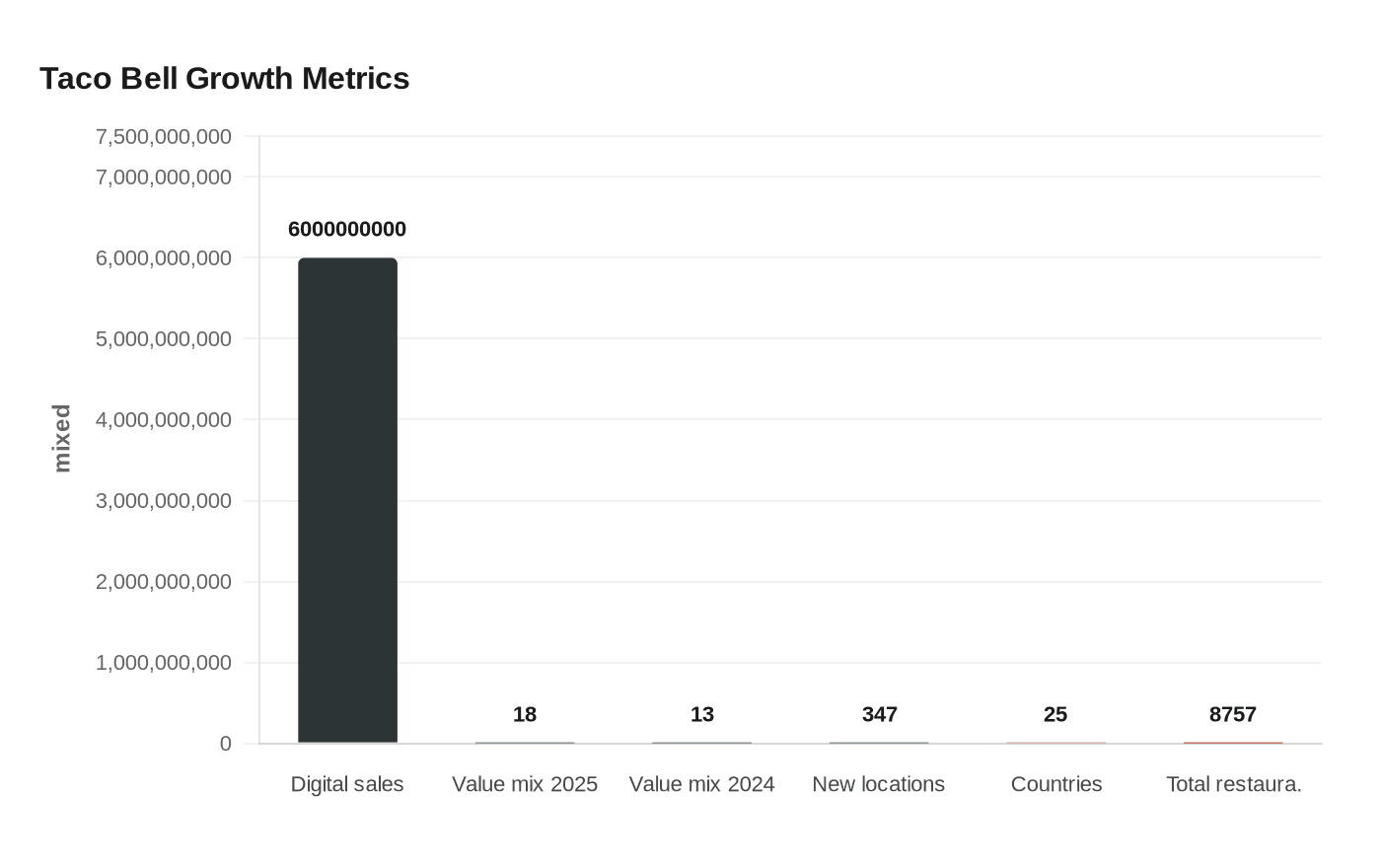
Taco Bell has formalized its own version of that thinking through R.I.N.G. The Bell, its Relentlessly Innovative Next-Generation Growth plan, introduced on March 4, 2025. The timing mattered because it followed a year in which Taco Bell said it reached $1 billion in operating profit, grew digital sales 32% to $6 billion, added 347 gross-new locations across 25 countries, and finished with 8,757 total restaurants. Those numbers show a brand that is not simply opening stores, but scaling a system that can keep pace with demand.
Sean Tresvant, who became Taco Bell Division CEO effective January 1, 2024, sits at the center of that system. Yum! said his remit includes driving Taco Bell’s growth strategies, franchise operations and overall performance, which is a reminder that the brand’s growth story is shared between corporate leadership and franchise operators. For managers, that split matters every day, because execution standards, staffing decisions, and speed targets do not change just because the ownership model does.
That structure also explains why Taco Bell keeps testing new formats. The company opened its digital-forward Go Mobile restaurant in El Paso in March 2023, then opened its first Live Más Café in Chula Vista, California, in December 2024 with Diversified Restaurant Group, one of its largest franchisees. Those are not novelty projects; they are signals that Taco Bell is trying to match concept design to traffic patterns, beverage demand, and digital behavior instead of forcing one store shape to do every job.
Innovation creates traffic, but it also raises the training bar
The menu is where that strategy becomes most visible to crews. Taco Bell said in 2025 that it would release twice as much menu innovation as it did in 2024, expand its value mix from 13% to 18%, and add eight new occasions by 2030, including crispy chicken, desserts, breakfast innovation, carne asada, and more beverages. That is a growth plan built on frequency and relevance, but it also means more recipes, more launches, and more chances for a shift to go sideways if training does not keep up.
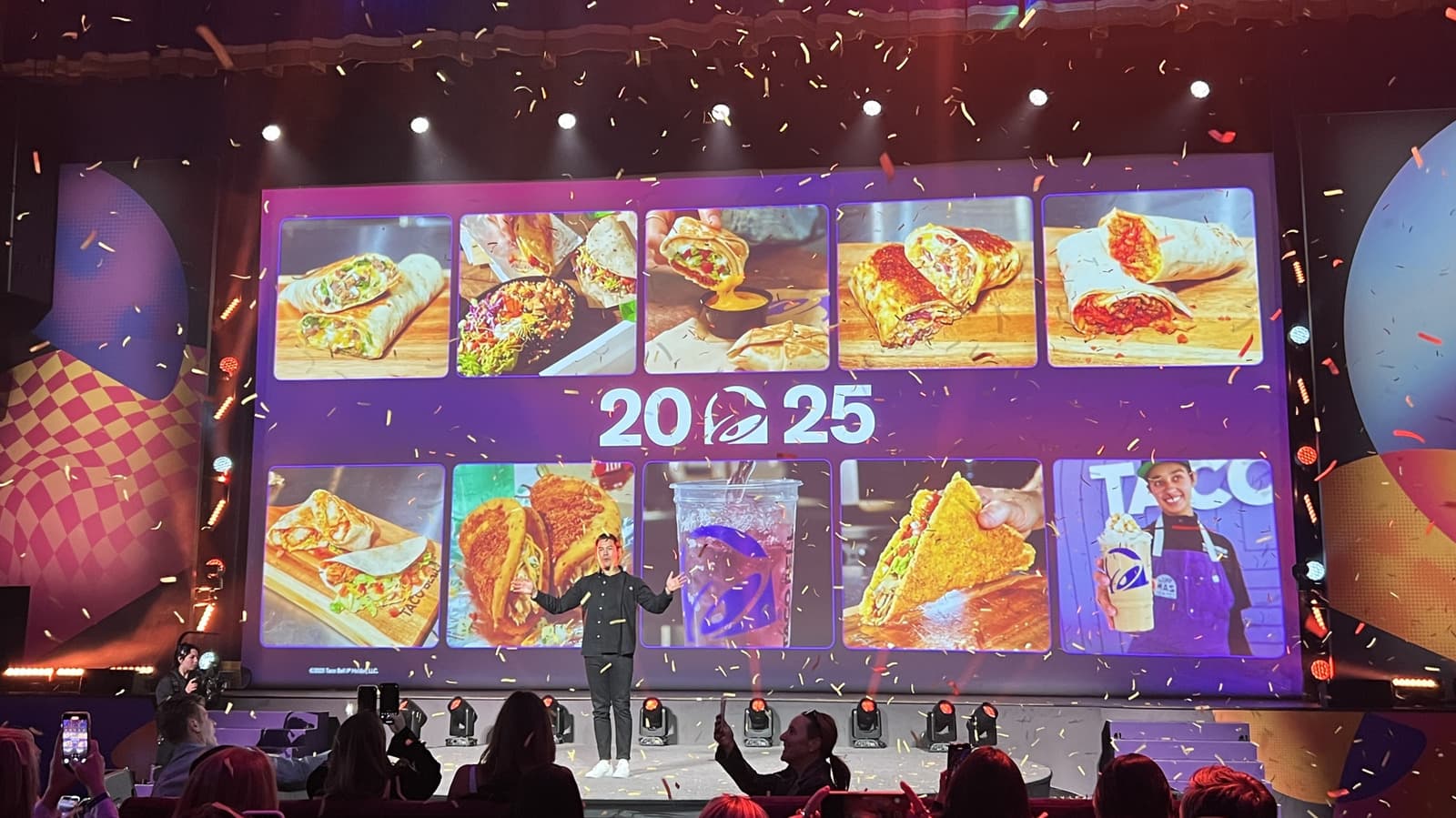
Live Más LIVE on March 10, 2026 made that pipeline even more obvious. Taco Bell unveiled more than 20 menu innovations, including a permanent move for Nacho Fries, Diablo Dusted Crispy Chicken Nuggets, the Crème Brulee Crunchwrap Slider, Mountain Dew Baja Midnight Pie, and Cheesy G Sliders. Product news can create traffic, but in a restaurant built around speed, every new item adds work at the prep table, the pass, and the drive-thru window. Managers who treat innovation as a marketing win without planning for the line are setting up their crews for avoidable pressure.
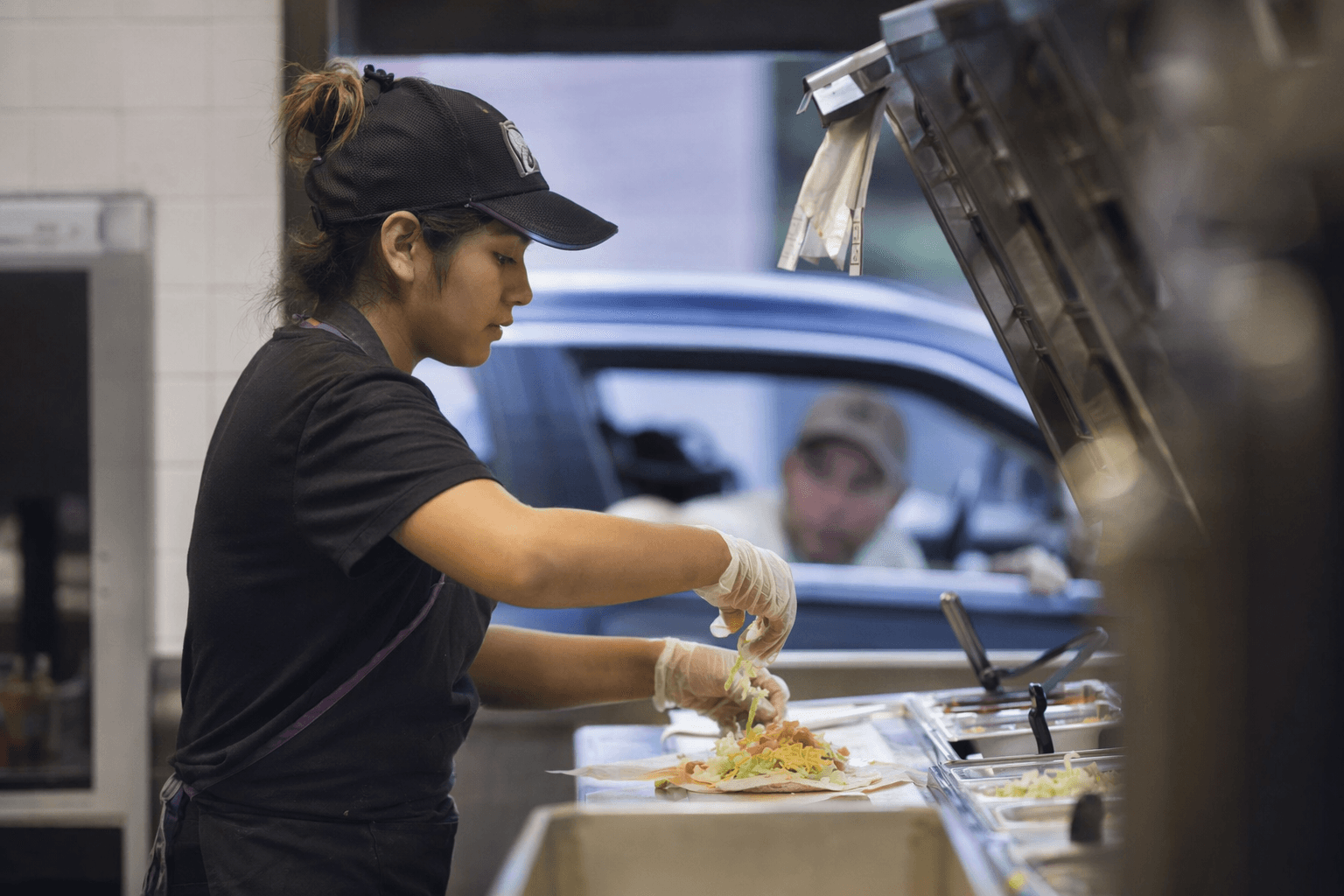
That is why the post-pandemic restaurant environment rewards focus. Sharpe’s point about sharpening the menu and choosing the right-sized box applies just as much to Taco Bell as it does to a chain that had to reset after turbulence. Too many options, too much nonessential complexity, or a poorly planned format can slow service and make a shift feel chaotic, even when sales are strong on paper.
Digital growth and automation only help if the store can absorb them
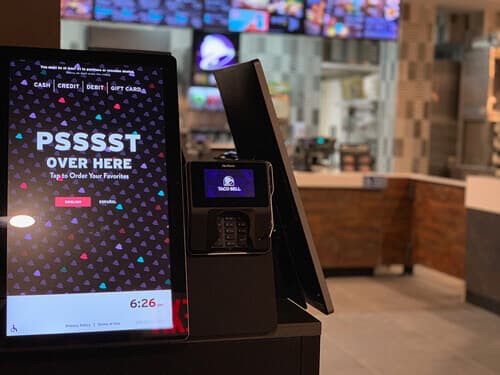
The digital side of Taco Bell’s business has become too large to treat as a side channel. In the first quarter of 2026, Taco Bell U.S. approached a 50% digital mix and reported 30% year-over-year loyalty sales growth. That kind of momentum can make a store look efficient on paper, but it also changes how work lands inside the building, because digital demand has to be handed off cleanly from app to kitchen to pickup.
Yum! announced in July 2024 that Voice AI would expand across Taco Bell U.S. drive-thrus, targeting hundreds of stores by the end of 2024 after the system had already been in more than 100 drive-thrus across 13 states. Automation like that can help standardize routine orders, but it also raises the bar for consistency when orders get passed from one system to another. If staffing is thin or training is uneven, the promise of faster service turns into another point of friction for crew members and shift leads.
For restaurant managers, the real takeaway is not that Taco Bell should stop growing. It is that growth has to be selective, deliberate, and easy enough to execute at the store level. The strongest brands are the ones that can pair traffic with a concept the team can run cleanly, whether that means a digital-first box, a beverage-led format, or a conventional restaurant with a bigger innovation load.
Taco Bell’s own numbers show why that matters. A brand that is doing $1 billion in operating profit, running a nearly $6 billion digital business, and pushing into new formats across 25 countries has plenty of ambition. The question for the people managing the shifts is simpler: can the store deliver the model the brand is asking for, day after day, without burning out the crew that has to make it work?
Know something we missed? Have a correction or additional information?
Submit a Tip
%3Amax_bytes(150000)%3Astrip_icc()%2Far-TacoBell_ShreddedBeefNachoFries_800x469-42744d1b0b0945d48fa6b976df848651.jpg&w=1920&q=75)