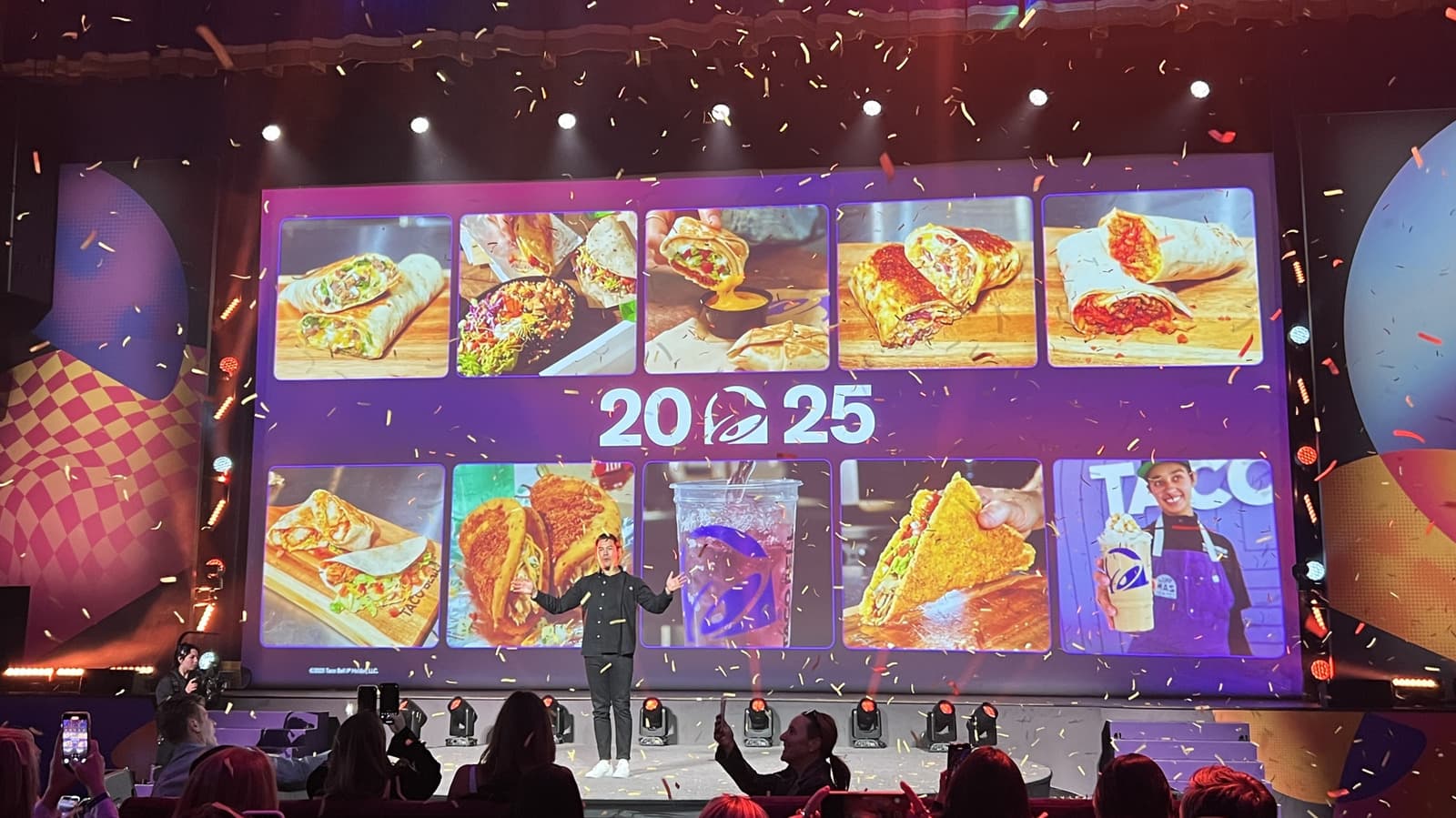
Taco Bell’s tech push comes amid restaurant industry automation boom
Chicago’s automation floor showed Taco Bell how voice AI and robots could shift crews from order-taking to troubleshooting, if the tech actually holds up.
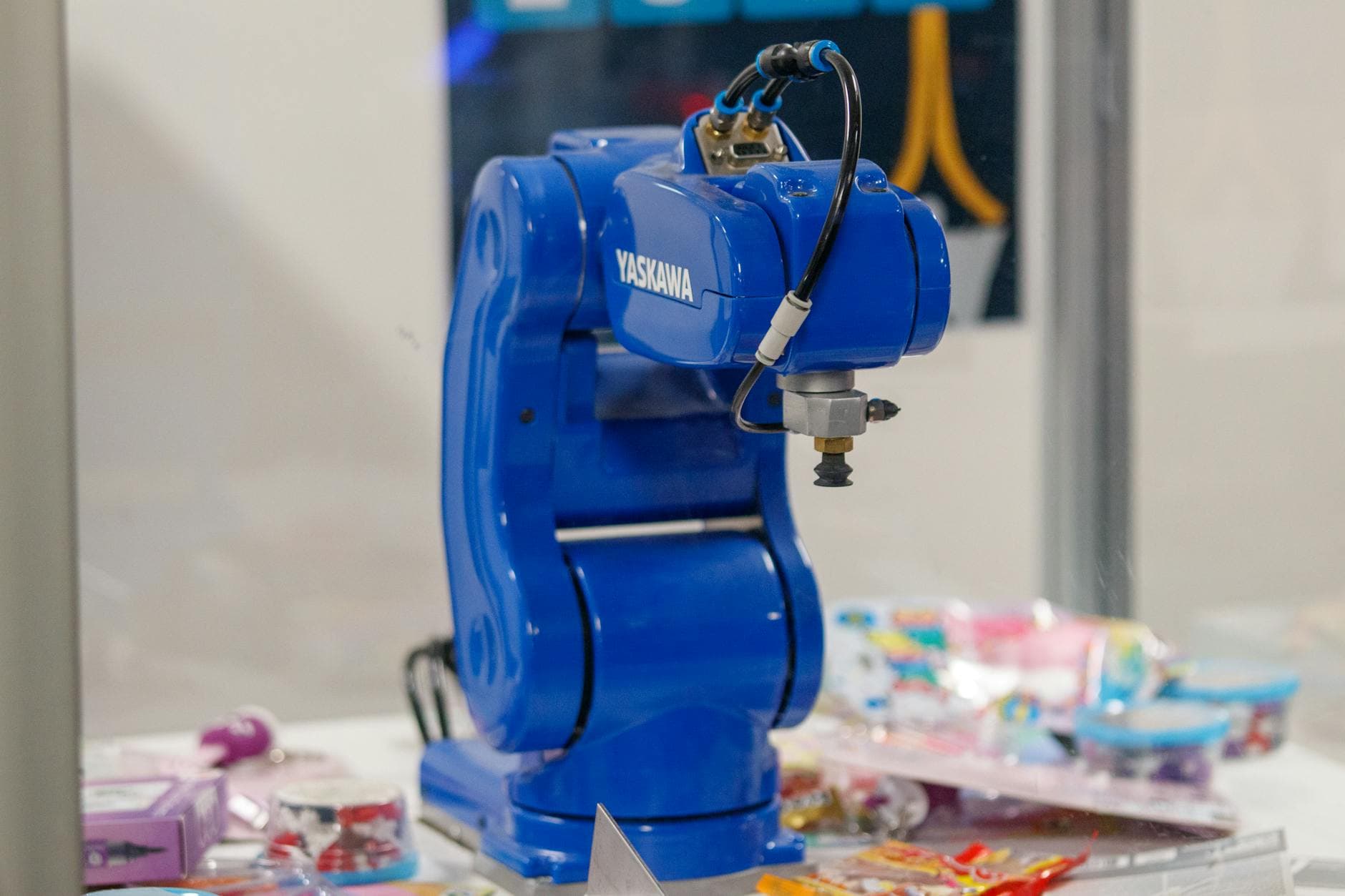
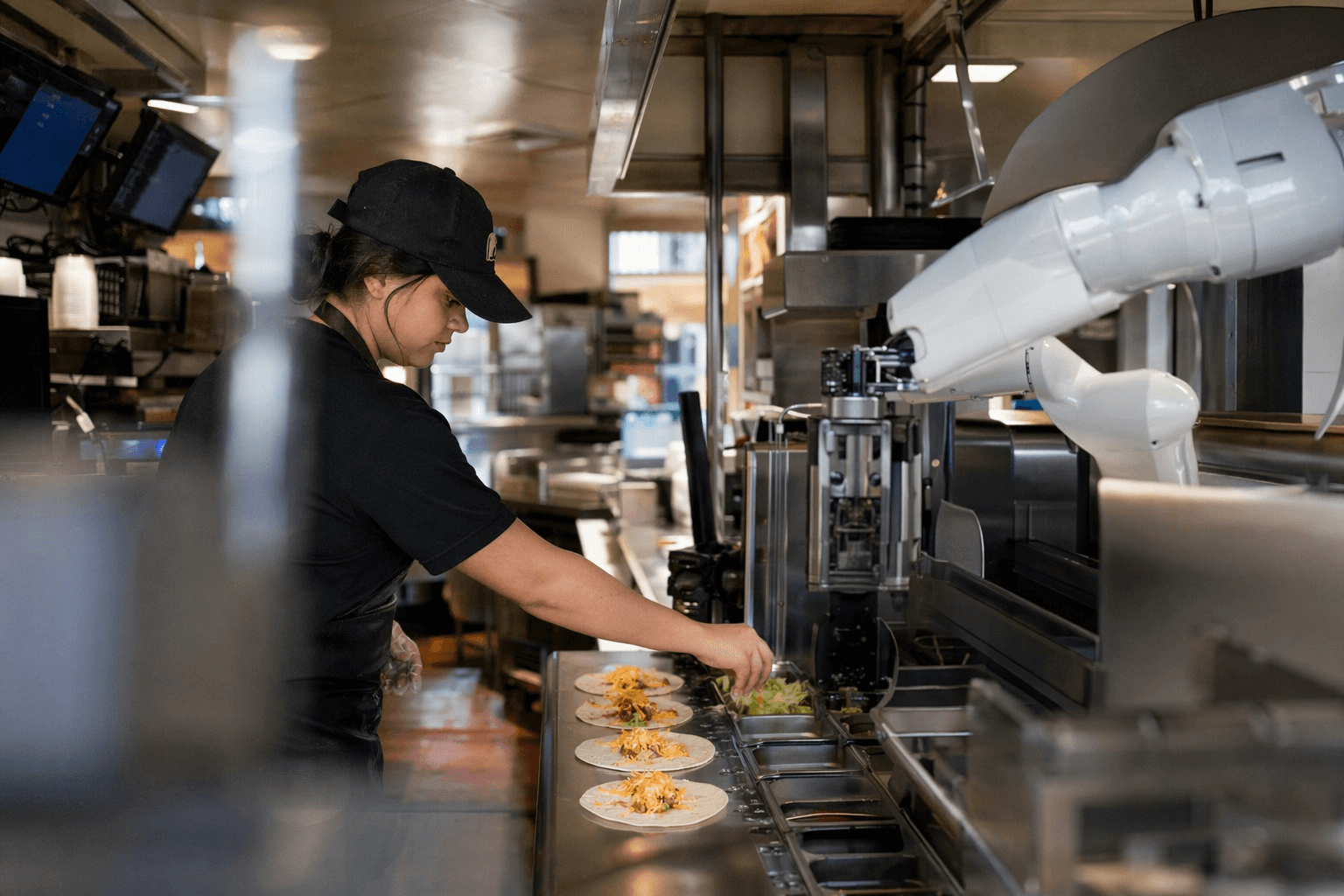
The clearest message from Chicago’s restaurant automation floor was not that robots were taking over the line, but that Taco Bell-style work is being redesigned around software, voice systems and faster digital handoffs. Vendors leaned on old-fashioned landlines to make voice AI seem more approachable, while robots still drew attention across the show floor. For crews, the question is less about spectacle than about which tasks disappear, which ones get added, and whether the new setup reduces stress or just moves it to the front line.
That matters at Taco Bell because the chain is already deep into digital operations. Taco Bell said it reached $1 billion in operating profit in 2024, while technological and operational investments helped drive 32% digital-sales growth to $6 billion. The company also said it finished 2024 with 8,757 restaurants across 25 countries after opening 347 gross-new locations. In a system that large, even a small change in ordering, pickup or drive-thru routing can ripple through thousands of shifts.
The most likely gains are in the friction points that slow a rush. Voice AI, secure pickup and self-serve systems are aimed at reducing bottlenecks and making handoff more predictable. Taco Bell’s app already lets customers order ahead for delivery or pickup, earn points on qualifying orders and redeem rewards in the app, kiosk or drive-thru. It also gives members early access to menu items and app-based promotions. If the technology works as designed, crews spend less time rekeying orders, calming lobby traffic and fixing handoff mistakes. If it fails, the same workers absorb the frustration.
Taco Bell has already shown it is willing to pull back and refine the rollout. Yum! Brands announced a partnership with NVIDIA on March 18, 2025 to accelerate AI across its restaurants, starting with voice AI ordering at drive-thrus and in call centers, plus computer vision and restaurant intelligence. Some Taco Bell and Pizza Hut restaurants had already started piloting the technology. But by September 2025, Taco Bell was “adjusting its Voice AI plans” after glitches and prank orders, including one for 18,000 water cups, and Dane Mathews said the company was reconsidering where human order-takers may be better, especially in busier restaurants.
That selective approach fits Taco Bell’s earlier testing. Omilia said the chain piloted voice AI at one restaurant in Irvine, California, then added four more pilot locations in 2023 while working through governance, communication and change management with franchisees. Mathews said voice AI can “ease workloads” and free team members to focus on front-of-house hospitality. The next 12 months are likely to be less about flashy automation and more about whether Taco Bell can use it to make shifts smoother without handing crews a new layer of work.
Know something we missed? Have a correction or additional information?
Submit a Tip
%3Amax_bytes(150000)%3Astrip_icc()%2Far-TacoBell_ShreddedBeefNachoFries_800x469-42744d1b0b0945d48fa6b976df848651.jpg&w=1920&q=75)