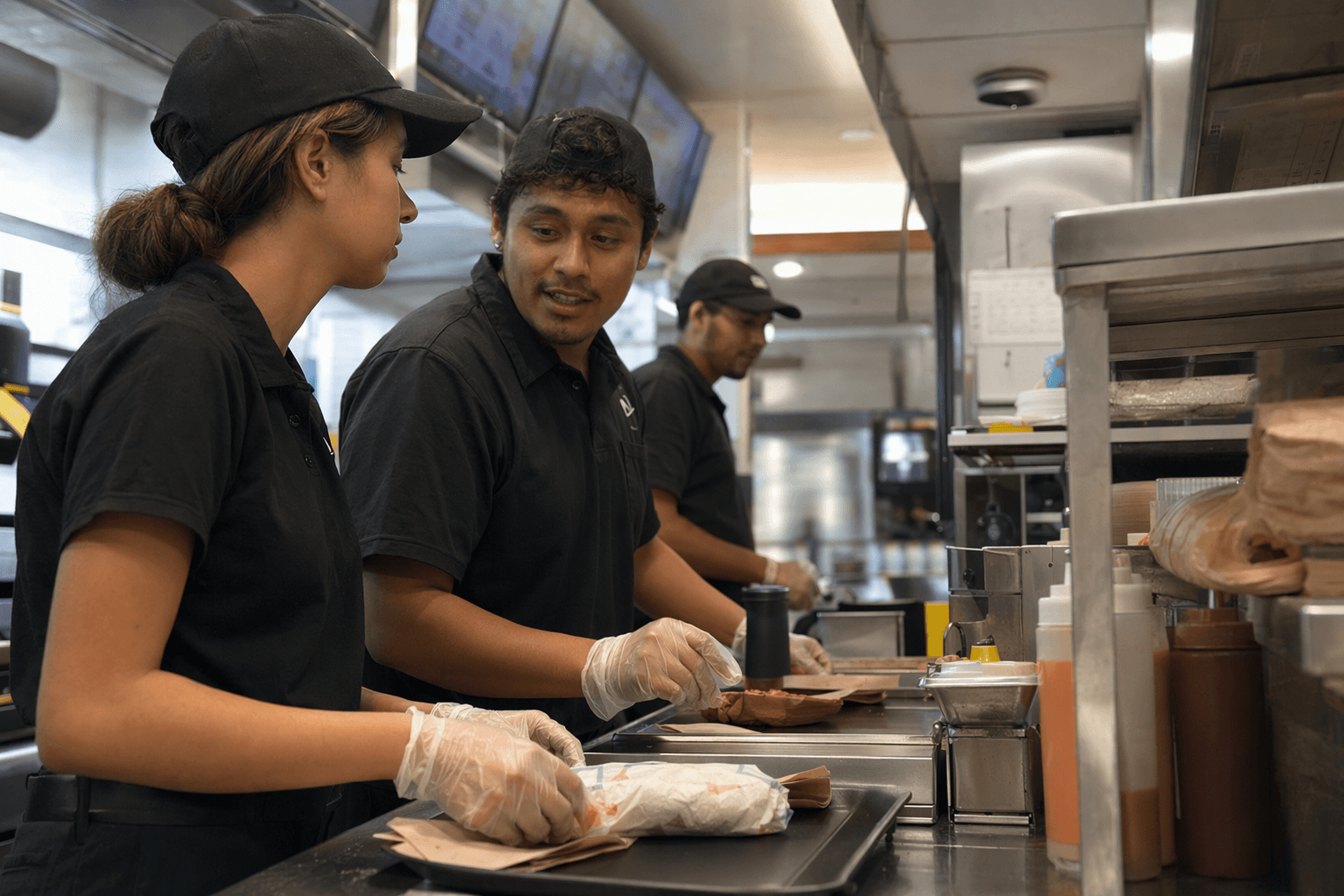
Taco John's taps veteran development executive to fuel franchise growth
Taco John’s installed a former Subway development chief to push expansion, a move that signals more site competition and labor pressure for Taco Bell markets.
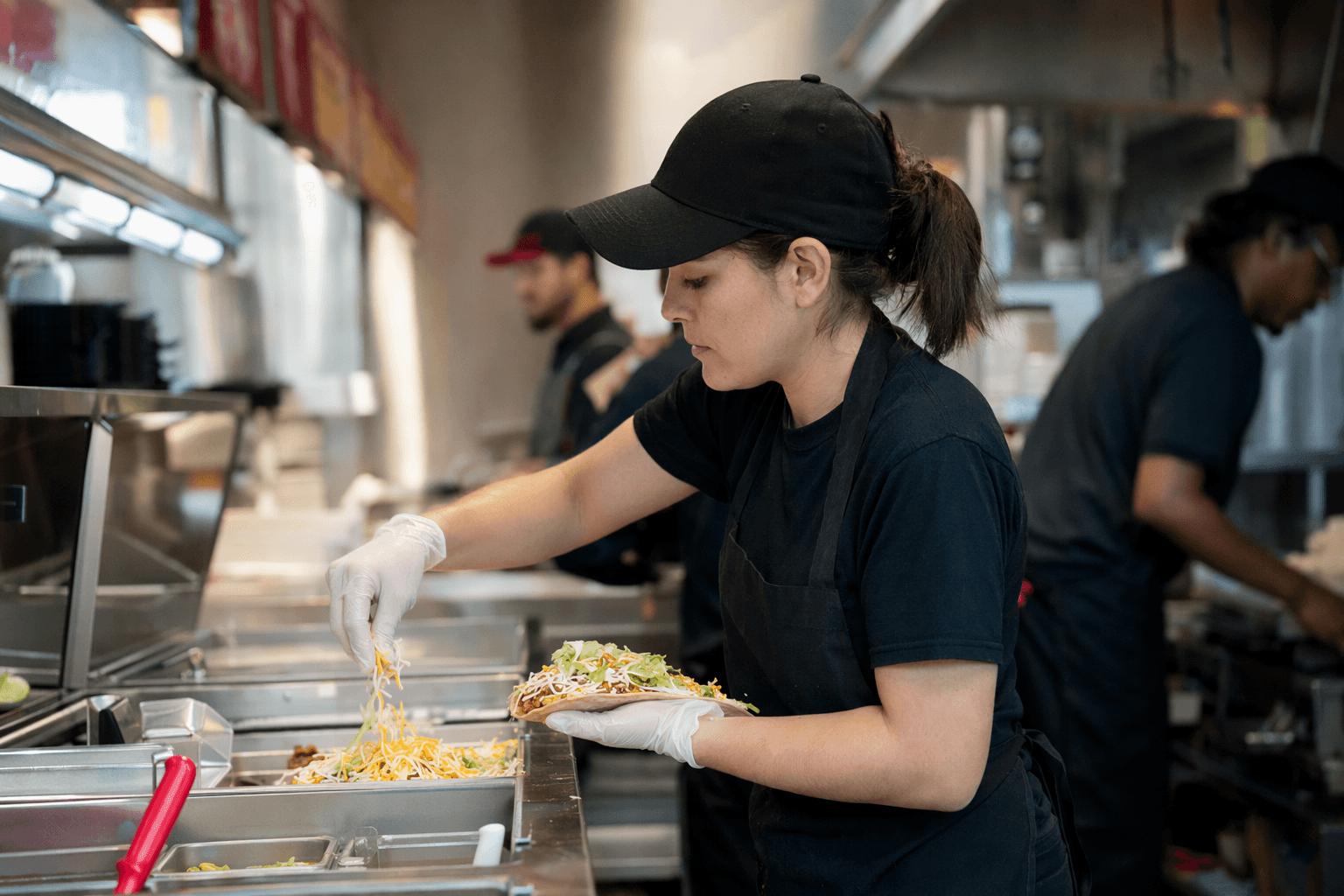
Taco John’s put Ian Poole in charge of development and franchise support, a move that says as much about the fight for sites and operators as it does about one executive hire. The chain named Poole vice president of development on April 21, giving him responsibility for expansion, onboarding, real estate and construction as it tries to grow its footprint in a more deliberate way.
Poole arrives with nearly 20 years in restaurant franchising, including a stretch as vice president of development for Subway. Taco John’s said that role gave him oversight of franchise sales, real estate, construction and design, equipment, business operations and leasing for more than 22,000 restaurants. That background matters because development leaders do more than open stores. They help decide which markets get attention first, what kind of prototype gets built and how quickly franchisees can move from signed agreement to operating restaurant.
For Taco Bell managers and crew members, the significance is less about Taco John’s size than about the pressure points behind the growth race. Taco John’s is a smaller brand that started as a taco stand in Cheyenne, Wyoming, in 1969, but its decision to bring in a heavyweight developer shows how hard restaurant chains are still competing for real estate, franchisees and attention in the Mexican QSR category. When one chain strengthens its development bench, rivals feel it locally through tougher competition for labor, better site packages and more aggressive recruiting from operators trying to staff new stores.

That is especially relevant to Taco Bell, which has spent years scaling franchise growth through a much larger system. Taco Bell opened its first restaurant in Downey, California, in 1962, and Yum! Brands says the first Taco Bell franchise was sold in 1964. By 2024, Taco Bell had 8,757 restaurants worldwide and opened 347 gross new restaurants across 25 countries. The brand has been pushing growth even harder under its 2025 plan, R.I.N.G. The Bell, launched after Taco Bell reached $1 billion in operating profit in 2024. The plan aims to lift average unit volumes from about $2.2 million toward $3 million and raise restaurant-level margins from above 24 percent to 25 percent to 26 percent.
That combination of expansion pressure and margin discipline is exactly why development hires matter on the shop floor. New stores can mean new promotion tracks for shift leaders, more chances for transfer opportunities and more recruiting competition in overlapping markets. Taco Bell’s No. 1 ranking in North America in Entrepreneur’s Franchise 500 for the fifth straight year shows how intense the category has become. In that kind of market, a development executive is not a back-office hire. It is a signal that the next round of franchise competition is already under way.
Know something we missed? Have a correction or additional information?
Submit a Tip
.png&w=1920&q=75)