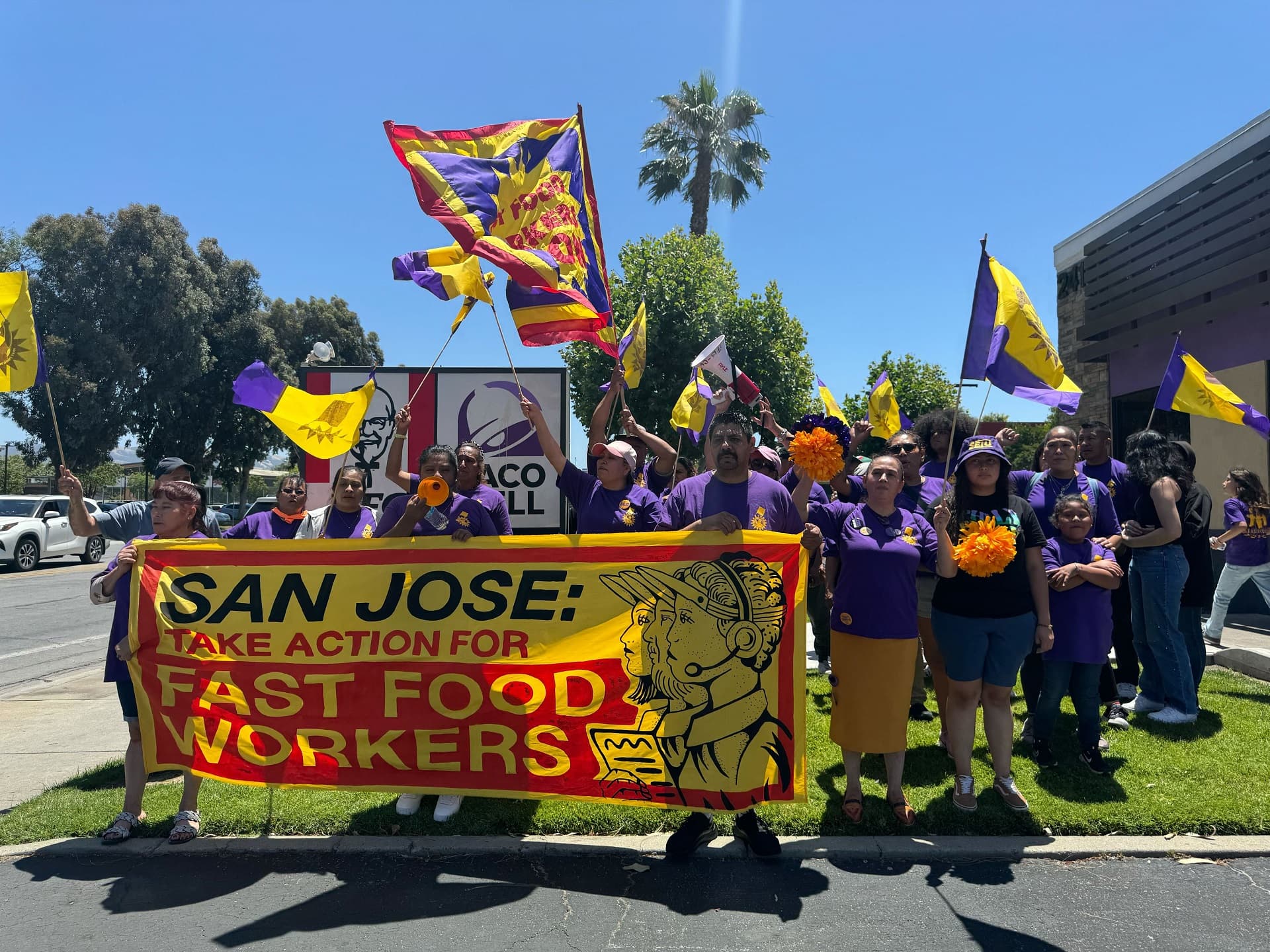
Virginia pay transparency law reshapes Taco Bell hiring and promotions
Virginia’s new pay transparency rule forces Taco Bell hiring teams to put wage ranges in writing, stop fishing for pay history, and tighten every promotion script. A Fredericksburg Food Champion listing shows how quickly the law will touch the crew-level jobs that run the brand.
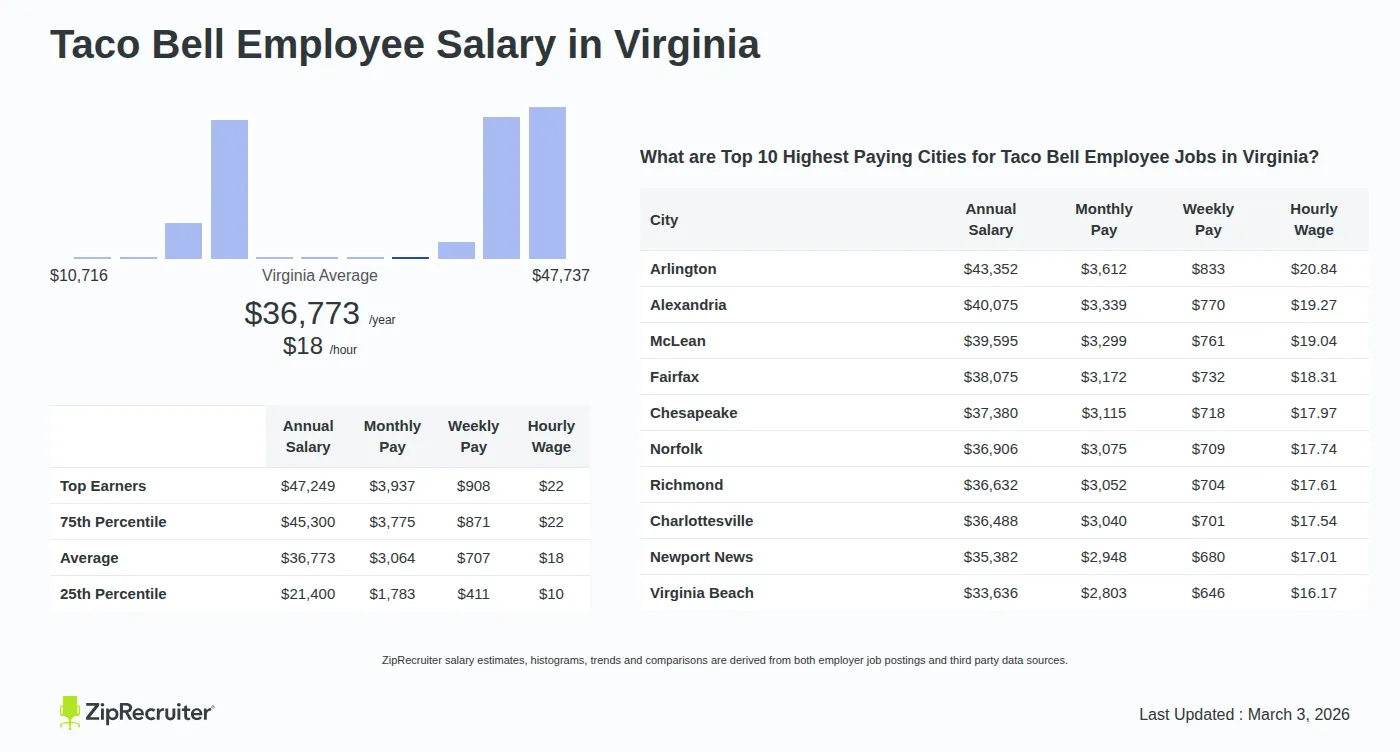
Starting July 1, 2026, every job posting and hiring advertisement in Virginia must include a wage or salary range, and managers can no longer ask applicants where they were paid before, whether that information would come from the applicant, a former employer, or a third-party service.
What changes the first time a candidate applies
For a Taco Bell shift lead or crew opening in Virginia, the new law changes the first screen, not just the final offer. A candidate can now compare the posted range before walking into an interview, push back if an offer lands outside that range, and ask for clearer compensation details without risking retaliation for doing so. The statute also bars an employer from refusing to interview, hire, or promote someone because they declined to provide salary history or because they asked about the posted range.
Under the new rule, a casual “what were you making before?” is no longer permitted. Virginia employers must set the range in good faith, and the law requires public and internal postings for jobs, promotions, transfers, and other opportunities to disclose the wage, salary, or wage range.
How Taco Bell’s franchise model affects compliance
Taco Bell openings can sit in corporate-owned restaurants or in independently owned franchise locations, and that distinction now carries real compliance weight. Franchisees and licensees are independent business owners and employers, responsible for their own employment practices, which means the same Taco Bell-branded job board can hold positions with different pay-setting practices depending on who operates the store.
That structure can create confusion if a crew member in one Virginia restaurant sees one posting format while another store uses a different recruiter script. A corporate-owned location may have a centralized template, but a franchise operator still has to make sure the local posting, the interview guide, and the promotion notice all match Virginia’s disclosure rules. If a restaurant wants to move a Food Champion into a shift-lead role, the internal posting needs the wage or salary range just as clearly as an outside ad would.
A Fredericksburg listing shows the new reality in plain numbers
Taco Bell already has Virginia postings that show how the rule will work in practice. A Food Champion listing in Fredericksburg posted a pay range of $12.77 per hour to $19 per hour, a spread that gives applicants a concrete benchmark before they apply. That bottom number also lines up with Virginia’s minimum wage in 2026, which makes the state floor a live reference point for entry-level restaurant pay.
For crew members, that range frames what a starting job can realistically pay before anyone gets to training. For managers, the job post cannot be an afterthought copied from a different market or left with a blank “competitive pay” line. The wage band has to be specific enough to satisfy the law and stable enough to guide the offer, the interview, and any later discussion about promotion.
Interview scripts now need editing, not improvisation
Shift leads and GMs who conduct interviews need to stop relying on memory and start relying on the posted range. The law bars employers from seeking wage or salary history during the application or interview process, and it also prevents them from asking a former employer or third-party service for that history. That closes off the old shortcut where a manager would try to anchor an offer on a candidate’s last hourly rate.
The cleaner approach is to open the interview with the posted compensation range, explain whether the job is hourly or salaried, and stick to job-related questions. If the candidate asks whether the store can move above the lower end for someone with experience, the answer should come from the range and the good-faith pay plan, not from a guess about what the applicant made in a previous kitchen or retail job.
Promotions and transfers now need the same transparency as outside hiring
The law does not stop at new applicants. Public and internal postings for promotions, transfers, and other opportunities must disclose the wage, salary, or wage range, which means a crew member chasing a shift-lead slot has the right to see the compensation before accepting more responsibility. That is a meaningful change in fast food, where internal promotions often happen quickly and informally, with a manager asking someone to “step up” before the paperwork is done.
Taco Bell operators will need to make sure that internal job boards, texted openings, and store bulletin-board notices all match the law’s disclosure standard. If a restaurant wants to move someone from crew to shift lead, the pay range should be visible in the same way it would be for an outside hire. Inconsistent pay talk between locations can create confusion, resentment, and avoidable legal risk.
The law gives workers a new boundary around pay conversations
Virginia’s wage transparency law also prohibits retaliation against applicants or employees who do not provide salary history or who ask for the posted range. That matters in restaurants where pay talks can happen in the middle of a rush, between orders, or after a manager has already decided they need to fill a weekend shift.
The broader legislative push was aimed at closing the gender wage gap. Sen. Jennifer Boysko said she had introduced similar salary-range legislation eight times before it finally moved forward in 2026. The Virginia General Assembly’s reenrolled Senate version also included a civil-penalty provision, while the enrolled text added a cause of action.
Why July 1 now matters on the ground
The Code of Virginia portal was updated July 1 to reflect the prior session’s legislation, which makes this a live compliance issue rather than a talking point for future hiring seasons. A Taco Bell restaurant in Virginia that keeps using old templates is now out of step with state law, whether the job is for a first-shift crew member, a closing shift lead, or a restaurant manager.
This article was produced by Prism’s automated news system from verified source data, official records, and press releases, then run through automated quality and moderation checks before publishing. The system is built and supervised by the people who set the standards it runs under. Read our full AI policy.
Did this article answer your question?