Yum! Brands pushes 100% GFSI certification for Taco Bell suppliers
Yum! wants every Taco Bell supplier and distributor GFSI-certified, a shift that changes how stores receive, store, and trace ingredients before a recall hits.

Yum! Brands is pushing all of its suppliers and distributors toward 100% Global Food Safety Initiative, or GFSI, Recognized Certification, a move that reaches far beyond corporate compliance. For Taco Bell crews, it is about what shows up on the truck, how it is logged at receiving, where it is stored, and how fast a manager can trace a problem ingredient if something goes wrong.
GFSI is one of the world’s most widely accepted food-safety benchmarking systems, and Yum says the point of the shift is to let its internal team spend less time running an audit scheme and more time on risk management and supplier development. The company tied that goal to its work after joining the Consumer Goods Forum, then said in 2022 that all suppliers were expected to reach 100% GFSI Recognized Certification. By 2023, Yum said more than 70% of Yum-approved suppliers had already achieved GFSI Certification, showing the effort was already well underway.
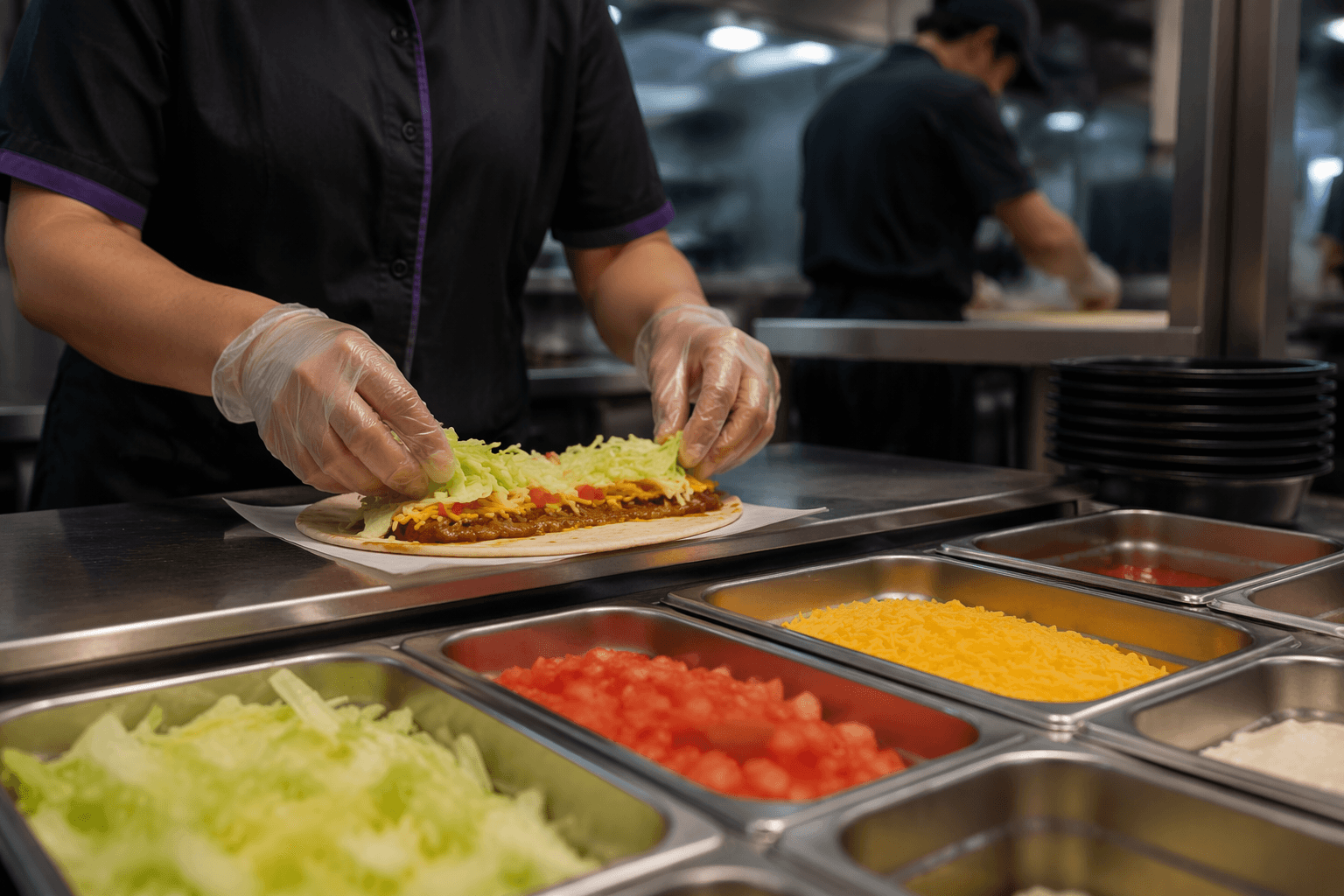
That matters inside a Taco Bell restaurant because food safety is not just a line-level task at the grill or make station. A stronger supplier certification system can mean fewer surprises when boxes arrive, clearer paperwork for managers checking temperatures and lot codes, and a tighter chain of custody if a product needs to be held or pulled. When ingredient flow is fast and menu complexity is high, the difference between a clean receiving process and a confusing one can decide whether a bad shipment becomes a small fix or a shift-wide disruption.
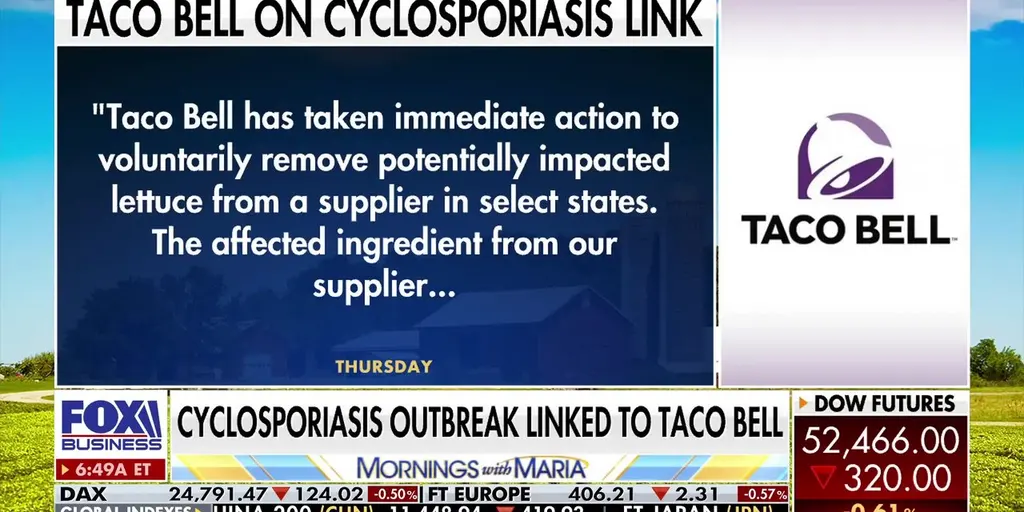
Taco Bell’s own food-safety messaging points in the same direction. The brand says it has worked with suppliers, industry experts, regulatory groups, and even competitors to improve food safety from farm to restaurant. It also says its suppliers meet and exceed industry standards for food quality, and that its ingredients are certified by the FDA under the GRAS provision. In practice, that gives stores a clearer upstream standard to lean on when crews are checking deliveries, rotating stock, and responding to a hold notice or recall.
The broader regulatory backdrop explains why Yum is making certification a supply-chain issue instead of leaving safety only to store training. The FDA says the Food Safety Modernization Act treats food safety as a shared responsibility across many points in the global supply chain and is designed to spell out the steps needed to prevent contamination. For Taco Bell workers, that means better supplier controls can reduce the odds of a late-night scramble, cut down on confusion in the walk-in, and make the manager’s job more about following a repeatable system than improvising under pressure.
This article was produced by Prism’s automated news system from verified source data, official records, and press releases, then run through automated quality and moderation checks before publishing. The system is built and supervised by the people who set the standards it runs under. Read our full AI policy.
Did this article answer your question?