Yum positions Taco Bell as a people-first workplace with room to grow
Taco Bell's people-first pitch now has numbers behind it, from better retention to bigger scholarships, but the real test is whether schedules and coaching match the promise.
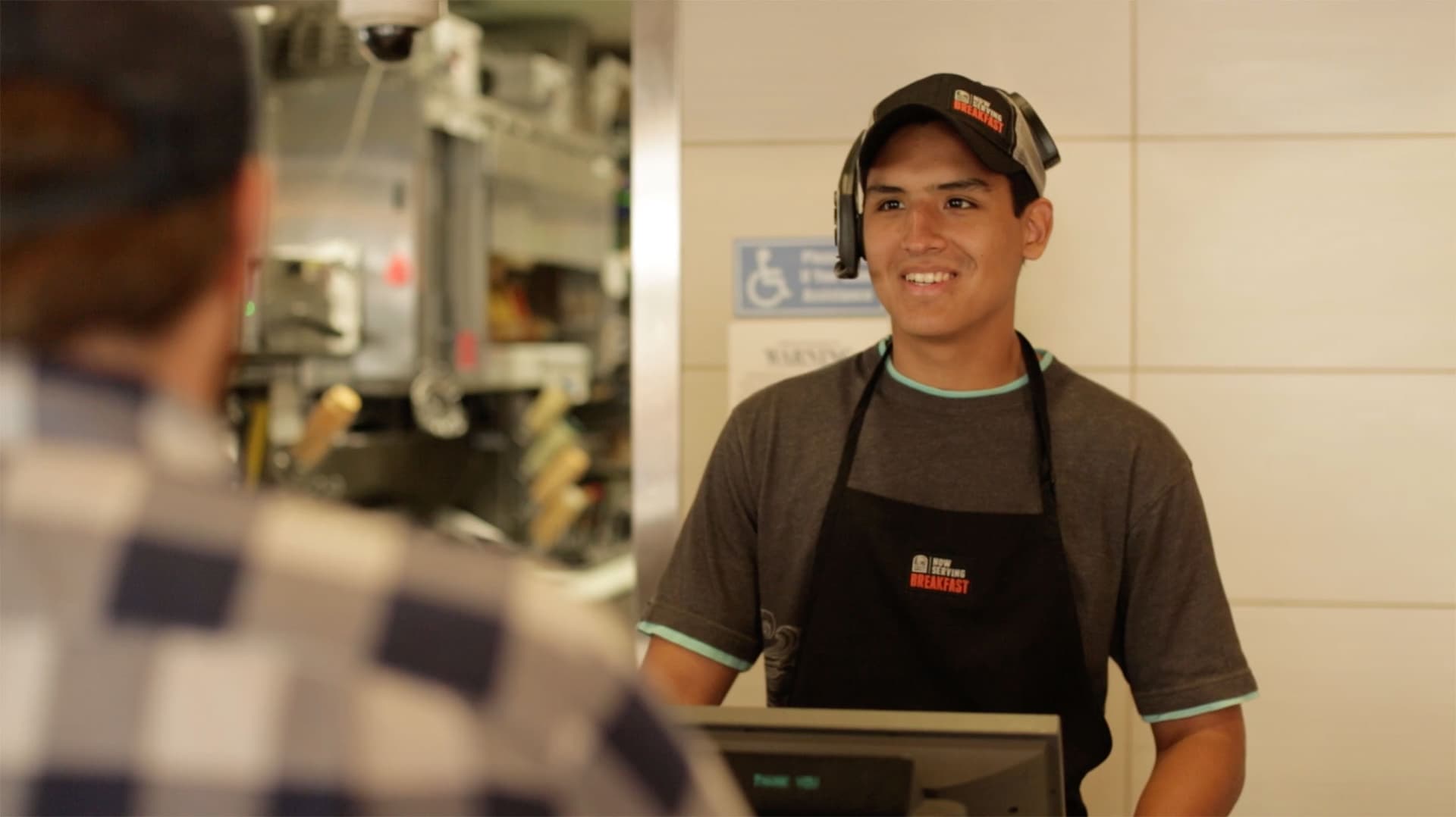
Taco Bell says it wants to be a workplace where people can grow, belong, and be recognized. The credibility test is not the branding language, though, it is whether a crew member feels that promise in the middle of a rush, when the schedule changes, or when a promotion decision is made.
What Yum says the culture is supposed to feel like
Yum! Brands describes itself as a people-first company built around recognition, collaboration, opportunity, benefits, and flexibility. That matters for Taco Bell because Yum does not frame culture as a side note, it treats it as part of the business model, alongside performance and growth. Yum also says its culture of belonging should be amplified at restaurant level through franchisee organizations, which is a useful admission: the brand promise only lands if local operators carry it into daily decisions.
Taco Bell’s own careers language says, “At The Bell, we create space for everyone – Restaurants to Corporate – to cultivate your passions and grow your career.” Its HQ life page adds another layer, stressing authentic self-expression and employee-led Communities of Belonging. Taken together, the company is signaling that Taco Bell should not feel like a dead-end job, even when someone starts on the line, at the window, or in a shift-lead role.
Why the franchise model changes the worker experience
The size of the operation makes this more than a slogan exercise. Yum says Taco Bell has more than 250,000 team members, and Yum says its restaurant businesses are primarily franchised. Yum’s broader company materials say it operates more than 63,000 restaurants in 155+ countries and territories through about 1,500 franchisees, while its 2024 annual report says the company and franchisees create thousands of part-time, entry-level restaurant jobs that can become career pathways.
That structure is the reason the people-first claim has to be tested store by store. A crew member does not experience Yum’s culture through a website; they experience it through who writes the schedule, how fast a manager answers a problem, whether training actually happens, and whether the store runs with enough respect that people want to stay. If the local franchise operator is the one setting the pace, then the operator also becomes the real carrier of the brand’s values.
The benefits list is real, but it is not uniform
Taco Bell’s team-member FAQ says some corporate-restaurant benefits can include flexible schedules, growth opportunities, and a supportive team. The team-member careers page goes further, saying many owners and operators offer education assistance, health insurance, free meals, employee assistance, paid time off, and retirement savings options. That is a meaningful package, especially in a business where hourly workers often judge a job by the basics: the hours, the meals, the support when life gets messy, and whether the job can help pay for school or stabilize a household.
The important detail is that offerings vary by employer. For workers, that means the label on the building does not tell the whole story. A Taco Bell corporate restaurant and a franchised unit may both carry the same brand, but the quality of the people-first experience can depend on how well the operator turns those benefit promises into something a shift worker can actually use.
Recognition is the clearest place where the company is trying to prove itself
Taco Bell has started to attach numbers to its culture claims. In 2025 at company-owned restaurants, team-member retention improved year over year by 17%, and restaurant general-manager vacancy fell 27%. Taco Bell said those results reflected expanded leadership programs, education pathways, and stronger benefits. That is the kind of metric workers notice because it suggests the company is trying to keep people longer and fill leadership roles from within rather than constantly scrambling for replacements.
Recognition also shows up in how Taco Bell celebrates its best operators. The Golden Bell celebration is an all-expenses-paid, week-long event in Hawaii for top-performing general managers and area coaches. That may sound like a perk for a narrow slice of the workforce, but it also tells front-line managers what the company values: performance, retention, and operational leadership. In a restaurant system where burnout is common, formal recognition can help if it is tied to real career mobility instead of being just a trophy trip.
Education dollars turn the growth message into something measurable
The Taco Bell Foundation gives the growth message more weight. In 2025, it said it awarded over $14 million in Live Más Scholarships, its largest distribution yet, and nearly 1,000 students ages 16 to 26 received awards ranging from $5,000 to $25,000. Taco Bell later said the 2025 scholarship cycle would distribute an estimated $14.5 million and had drawn more than 41,000 applications after moving to a video-or-essay format. It also said a record-breaking $4.5 million of that total went directly to Taco Bell team members.
That is not a small side program. It is a concrete investment in the idea that a restaurant job can be a step on the way to school, training, or a different career track. For younger workers in particular, it gives “room to grow” a practical meaning: the company is not only talking about advancement inside the store, it is funding education that can change what comes next.
What people-first has to mean on the floor
For crew members, the real test starts with scheduling, respect, and movement into better jobs. For shift managers, it shows up in whether feedback is coaching or just correction, whether coverage is strong enough to avoid constant firefighting, and whether performance is recognized in a way that builds trust. For restaurant managers, it comes down to whether the store can keep people long enough to train them well and promote from within.
In a fast-food workplace, pay debates are usually less about tipping than about minimum wages, hours, and whether the best shifts go to the same insiders every week. That makes pay equity a scheduling issue as much as a wage issue. If Taco Bell wants its people-first message to hold up, workers have to see fair hours, clear paths to higher pay, and a management style that does more than talk about belonging.
That is the standard Yum and Taco Bell have set for themselves. The brand now has retention numbers, scholarship dollars, benefit claims, and recognition programs to point to. What still matters most is whether those promises survive contact with the floor.
This article was produced by Prism’s automated news system from verified source data, official records, and press releases, then run through automated quality and moderation checks before publishing. The system is built and supervised by the people who set the standards it runs under. Read our full AI policy.
Know something we missed? Have a correction or additional information?
Submit a Tip