Amazon AI reality check highlights Target’s measured retail strategy
Amazon says agentic AI still needs work even as it pours billions into AI, a reminder that Target’s Store Companion is a tool, not a store manager.

Amazon’s latest earnings call was a reality check for retail AI: the company said agentic AI is not yet the breakout technology many expected, even as it kept pouring money into artificial intelligence. For Target team members, the message is less about Amazon’s numbers than about what still matters on the floor, in fulfillment, and in support roles: AI can help, but it still needs human judgment to work inside a real store.
The contrast is striking. Amazon reported first-quarter 2026 net sales of $181.5 billion, up 17% from a year earlier, and operating income of $23.9 billion. It also said trailing-twelve-month capital spending rose sharply, driven primarily by artificial intelligence investments. That is a reminder that retail AI is still in a build-and-test phase, not a finished replacement for the people who solve problems when the technology runs into messy reality.

Target has already taken a practical, narrower path. On June 20, 2024, it introduced Store Companion, a GenAI-powered chatbot designed to answer on-the-job process questions, coach new team members, and support store operations management. Target said it would roll the tool out across its nearly 2,000 stores by August 2024. That is useful for the kinds of quick, repetitive questions that slow down a shift, but it also points to the limits of the technology. When context matters, a chatbot can speed up the routine and still leave the judgment call to the person in the store.
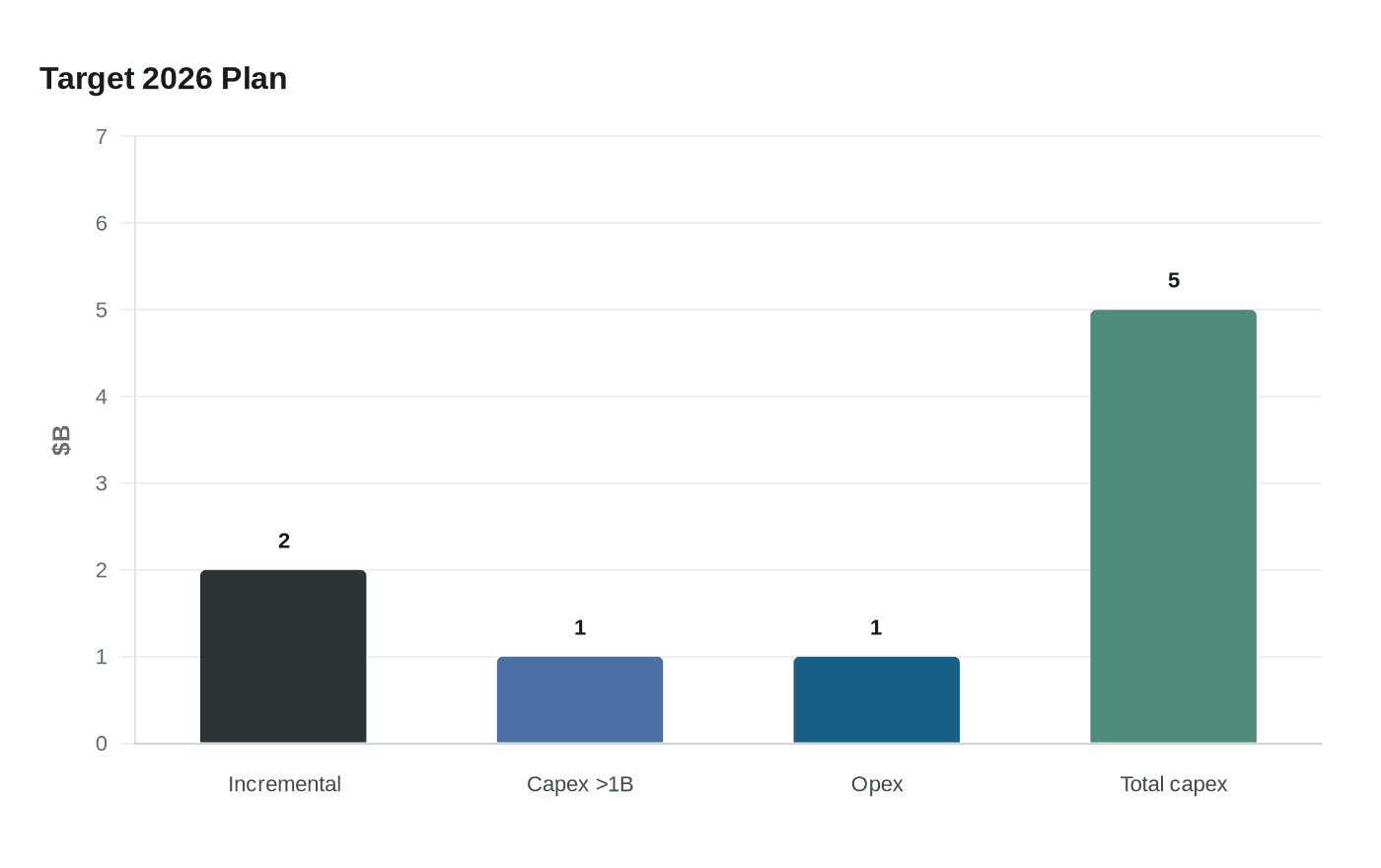
Target’s own 2026 plan shows the company is not treating AI as a standalone fix. On March 3, 2026, it said it would invest an incremental $2 billion this year, including more than $1 billion in additional capital expenditures and $1 billion in additional operating investments. Target said the plan would push total capital spending to about $5 billion, add hundreds of millions of dollars in store payroll and training, and bring more changes to stores than any year in the last decade. That is the clearest clue for workers: technology is being layered on top of labor and training, not swapped in for them.
Prat Vemana, Target’s executive vice president and chief information and product officer, oversees technology, cybersecurity, data platforms, data science, infrastructure, product engineering, enterprise product teams, user experience, automation, and artificial intelligence. His portfolio tells the story of where Target is headed. The company wants AI to help with search, planning, forecasting, fulfillment, and guest service, but its edge will depend on whether the tools actually make work easier for the people running stores. Target’s strongest strategy is still the oldest retail one: use technology where it helps, train people where it matters, and keep the human in the loop when the system gets it wrong.
This article was produced by Prism’s automated news system from verified source data, official records, and press releases, then run through automated quality and moderation checks before publishing. The system is built and supervised by the people who set the standards it runs under. Read our full AI policy.
Did this article answer your question?