Analysts turn bullish on Target as inventory efficiency improves
Target’s inventory turnover hit 6.14 as Michael Fiddelke promised $2 billion more in spending, raising hopes for better stock on the floor.
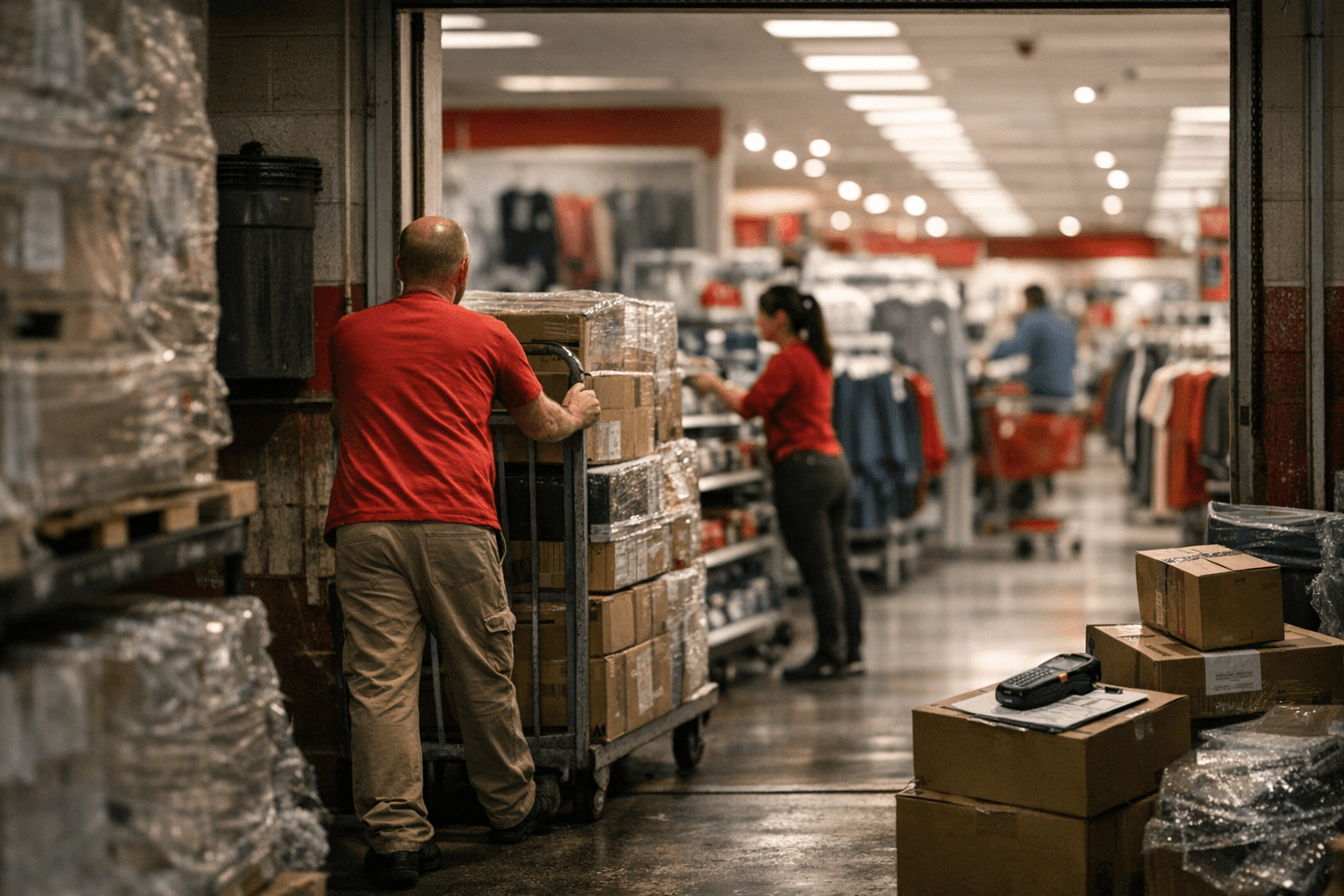
A stronger inventory score at Target is not just a Wall Street story. For the person opening a department and finding the same core items on the shelf instead of in the backroom, it could mean fewer guest complaints, less frantic digging through pallets, and a cleaner start to the day.
That is why analysts have turned more optimistic even as peers struggle. Target’s annual inventory turnover for the fiscal year ended January 31, 2026, was 6.14, with one data provider saying the ratio peaked at 6.2x in February 2025. Target said inventory was about $12.304 billion for that fiscal year, down 3.42% from the prior year. In practical terms, faster turns can mean merchandise is moving with less clogging in the system, which is exactly what store teams feel when backrooms are not stacked with stale product and seasonal goods are not hanging around long enough to get marked down.
Target’s own filing describes effective inventory management as staying in stock on core products, maintaining positive vendor relationships, and carefully planning seasonal and apparel inventory to minimize markdowns. For workers, that translates into the basics that make or break a shift: detergent where it should be, apparel sizes that actually exist on the floor, and fewer last-minute calls to hunt for missing cases before a guest order is due.
The company is also backing that operational reset with more money. At a March 3 investor meeting, new chief executive Michael Fiddelke, who took over on February 1, 2026, said Target would invest an incremental $2 billion in 2026, including more than $1 billion in additional capital spending and $1 billion in operating investments. Target said total capital investment will be about $5 billion, with money going to new stores, remodels, technology, supply-chain work, brand marketing, payroll, training, assortment changes and AI-enabled shopping tools. That spending could ease some friction on the floor, but it also raises the odds that teams will be asked to absorb new processes while keeping pace with tighter execution.
Investors liked the message. Reuters reported Target expects 2026 net sales growth of 2%, above analysts’ average estimate of 1.76%, and said shares jumped nearly 7% to a one-year high of $120.84 after the update. Reuters also reported comparable sales fell 2.5% in the quarter ended January 31, 2026. Bloomberg said Target projected adjusted earnings per share of $7.50 to $8.50 for the current fiscal year. For workers, the real test is simpler than the stock chart: if the turnaround works, it should show up as fewer stockouts, smoother truck unloads, and less chaos in the backroom.
Target is trying to follow the kind of long-term compounding that Walmart has pointed to in its own improvement journey, built around execution, technology, stores and e-commerce. The difference is that Target’s version will be judged one aisle, one truck, and one shift at a time.
This article was produced by Prism’s automated news system from verified source data, official records, and press releases, then run through automated quality and moderation checks before publishing. The system is built and supervised by the people who set the standards it runs under. Read our full AI policy.
Did this article answer your question?