Costco's gas surge shows value pressure shaping shopper traffic
Costco’s gas business hit record volume as fuel prices climbed, a sign that Target teams may see smaller baskets, sharper value checks and more essential-only trips.
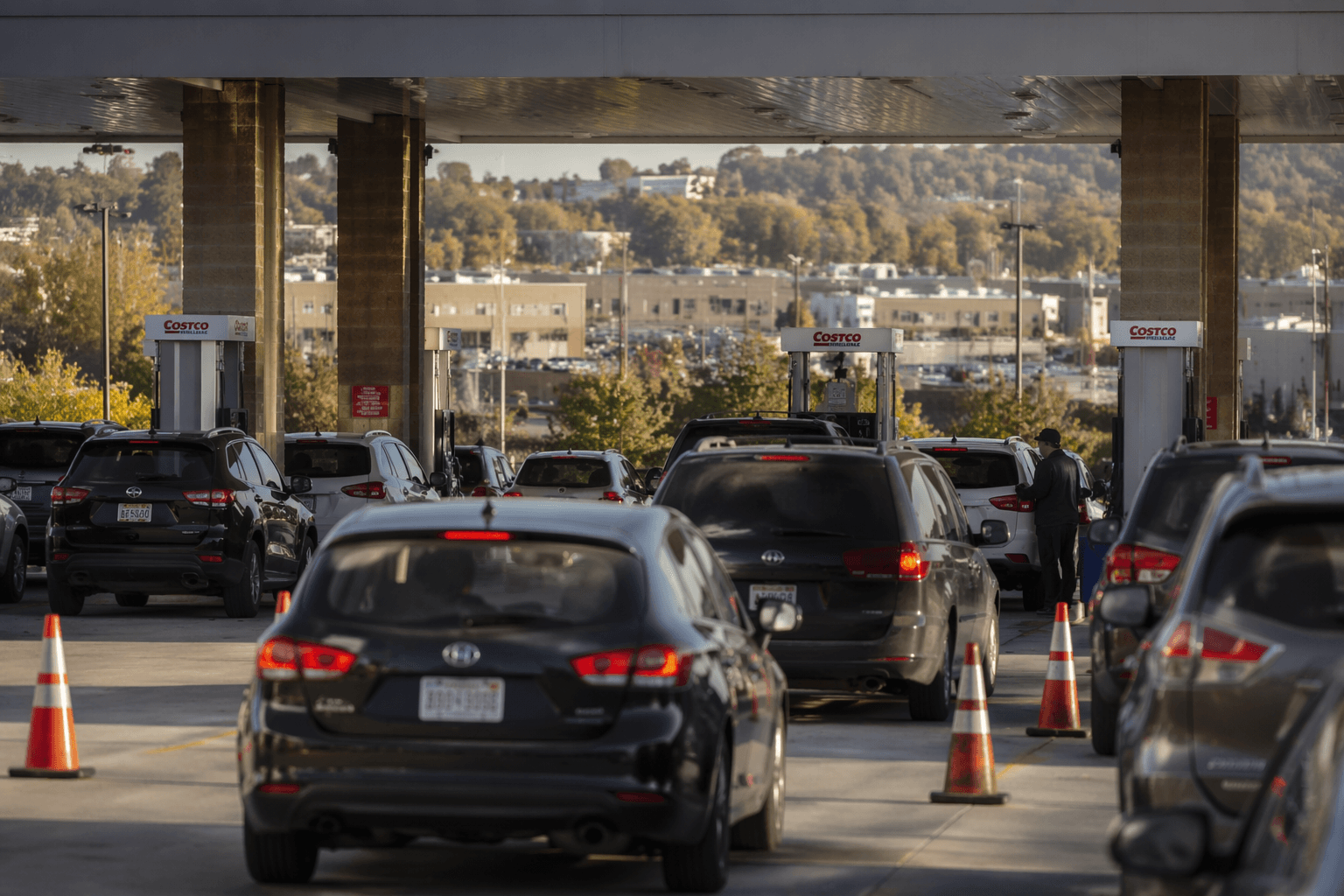
Costco’s gasoline pumps turned into a traffic magnet in its fiscal third quarter, and that is the kind of pressure Target store leaders should expect to feel in the aisles. Costco said gasoline volumes set company records in each four-week period of the quarter, with the final five weeks the highest in company history, and said many members used its gas stations for the first time because high prices made shoppers more sensitive to every dollar.
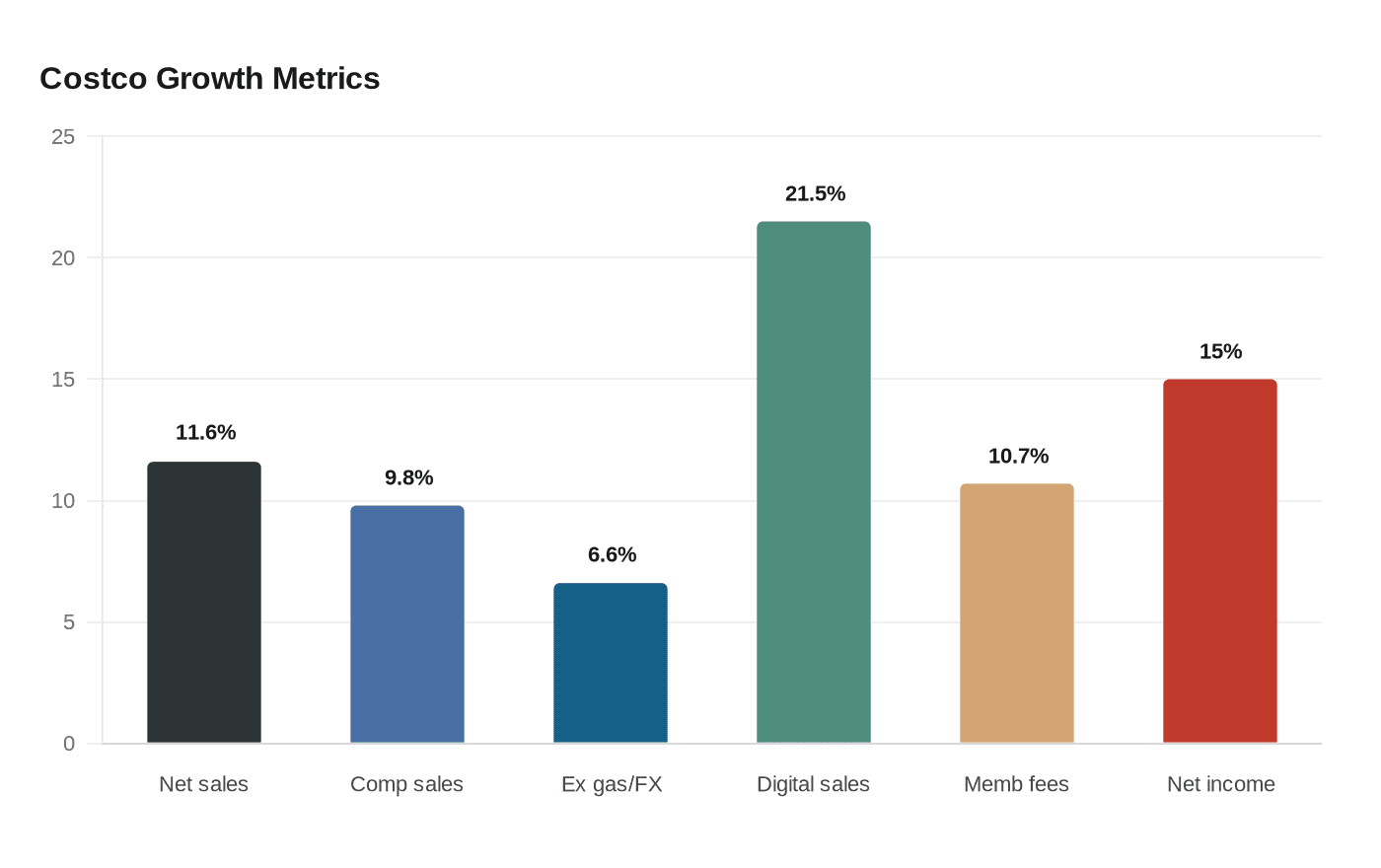
That mattered far beyond fuel. For the twelve weeks ended May 10, 2026, Costco reported net sales of $69.15 billion, up 11.6% from $61.96 billion a year earlier. Comparable sales rose 9.8% overall, or 6.6% excluding gas and foreign exchange, while digitally enabled sales climbed 21.5%. Membership fee income increased 10.7% to $1.373 billion, and net income rose 15% to $2.192 billion, or $4.93 per diluted share. The message for front-line retail teams is simple: when households feel squeezed, they still spend, but they spend more selectively.
At Target, that usually shows up first in the basket. Guests become more likely to consolidate trips, load up on essentials, and scrutinize whether a visit feels worth the drive. That puts pressure on food and beverage, household basics, baby needs and other repeat purchases, while discretionary items can become harder sells unless the price looks right. It also raises the stakes for endcaps, signs, and clearance tags, because deal sensitivity becomes part of the shopping trip itself. A guest who thinks the value is off by a few dollars may not just skip an item, but shorten the whole visit.
Target has already been trying to answer that mood. On March 11, 2026, the company said it was lowering prices on more than 3,000 products across apparel, home goods, baby essentials, and select food and beverages, with most cuts between 5% and 20%. Then on May 20, 2026, Target said fiscal first-quarter same-store sales rose 5.6%, its first increase in five quarters, and raised its full-year sales outlook. That gives workers a clearer read on the current trade: value is not a side issue, it is the traffic driver.
The wider retail backdrop points the same way. Walmart said rising fuel costs were pushing shoppers toward low-priced groceries and essentials, while consumer sentiment hit a record low in May as surging gasoline prices intensified affordability concerns. For Target teams, that means the next shift in shopper behavior is likely to be less about splurges and more about proving every trip is worth it, from the first item scanned to the last.
This article was produced by Prism’s automated news system from verified source data, official records, and press releases, then run through automated quality and moderation checks before publishing. The system is built and supervised by the people who set the standards it runs under. Read our full AI policy.
Know something we missed? Have a correction or additional information?
Submit a Tip